Why the Right Toys Matter
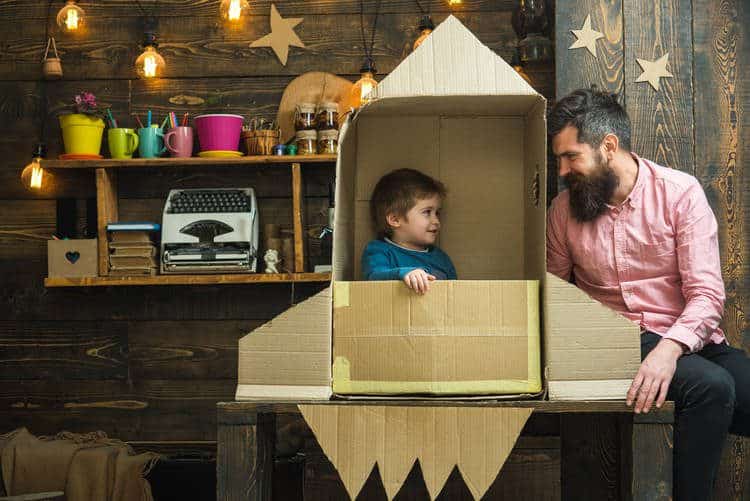
Toys aren’t just for fun — for babies and toddlers, they’re tools for learning. The right toys support physical growth, cognitive development, problem-solving, creativity, and social engagement.
Good toys match a child’s developmental stage, offer safe and open-ended play, and encourage interaction (with objects, caregivers, or peers) rather than passive amusement.
From Birth up to ~18 Months — Senses, Movement, Exploration
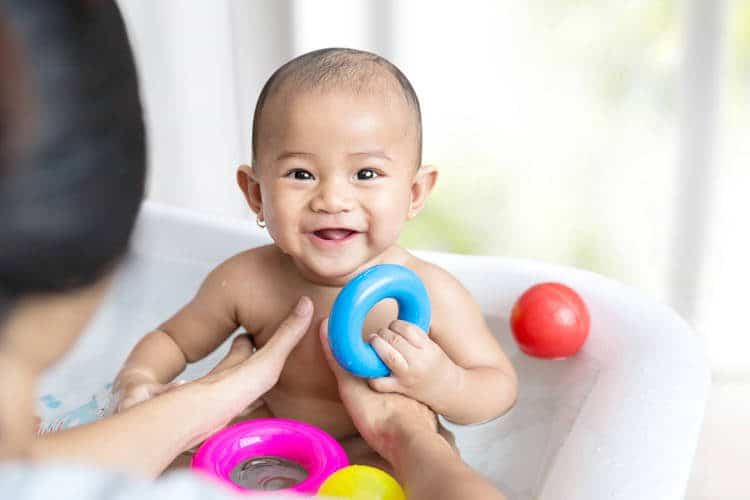
During this early stage, babies are learning through their senses, exploring objects, grasping, pushing, mouthing, and experimenting with cause-and-effect.
Recommended toys and play materials:
- Soft board books and cloth books — easy to hold, visually engaging, and perfectly sized for little hands.
- Simple stacking cups, rings, or toys with knobs — help with problem-solving, hand-eye coordination, grasping.
- Push and pull toys, soft balls, or other objects that encourage reaching, pushing, scooting — help build motor skills.
- Simple “real-life” imitation toys: toy tools, play food sets, or animal figurines — even for early pretend play in short bursts.
- Safe, simple musical instruments: rattles, shakers, small drums or similar tools that produce sound — great for sensory-motor development.
From ~9 to 18 Months — Growing Curiosity and Early Problem-Solving
As babies grow, they start exploring more intentionally: stacking, sorting, manipulating objects, and imitating what they see.
Toys that support this stage:
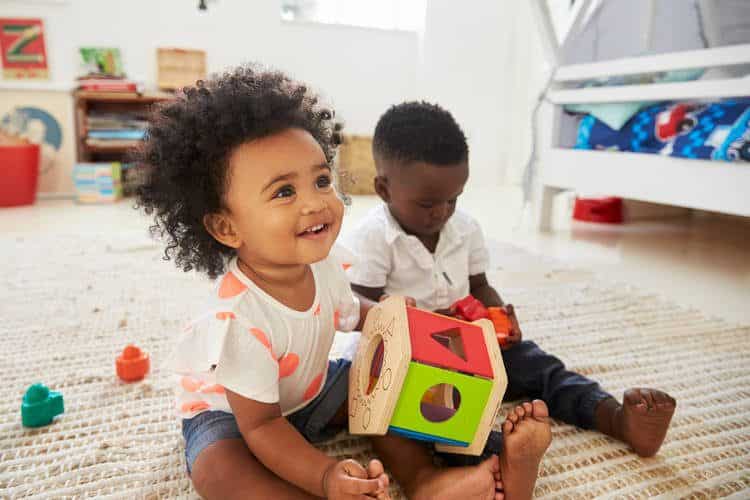
- Stacking toys and puzzles with knobs — afford manipulation, trial/error, hand-eye coordination.
- Basic push/pull toys, small balls, or rolling vehicles — encourage crawling or early walking, tracking movement.
- Real-life imitation toys: toy kitchen sets, animals, play food, simple dolls or figurines — help with recognition, mimicry, social engagement.
- More engaging books: short stories, picture-rich board books, rhythm/rhyme books — support language development and attention.
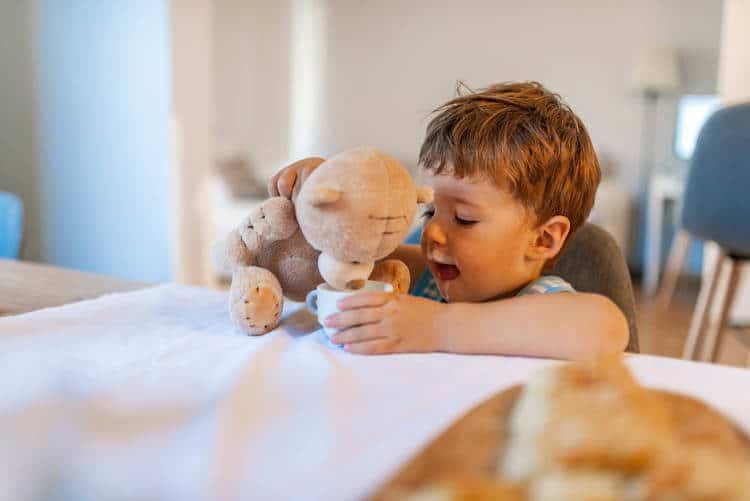
From ~18 to 36 Months — Imagination, Creativity, and Active Play
As toddlers gain mobility and cognitive skills, their play becomes richer: pretend play, art, building, physical movement, and social interaction.
Great toy categories for this stage:
- Pretend-play props — dress-up clothes, kitchen sets, dolls, toy vehicles or tools, stuffed animals, toy figurines. Encourages imagination, role-play, social skills.
- Art & creative materials — play-dough, crayons, washable markers, finger-paints. Offers fine-motor practice, sensory exploration, creativity.
- Building and problem-solving toys — puzzles with knobs, shape-sorters, foam/wooden blocks, interlocking blocks. Supports spatial thinking, patience and planning.
- Active play toys — balls, toddler-friendly bowling sets, push/pull toys, ride-ons or push-vehicles (if motor skills allow), toys that encourage movement and coordination.
What to Look For When Choosing Toys
When selecting toys for babies and toddlers, consider these guiding principles:
- Age-appropriateness: Choose toys matched to their developmental stage — too complex can frustrate, too simple may bore.
- Safety first: Toys should have no small parts (choking hazards), non-toxic materials, no sharp edges. Supervise for mouthing behavior, especially with infants.
- Open-ended and flexible: Toys that can be used in many ways (blocks, dolls, art supplies, simple tools) tend to grow with your child and encourage creativity.
- Encourage active play and interaction: Whether with caregiver or independently, toys should motivate movement, exploration, communication, and physical or cognitive engagement.
- Balance: variety over quantity. Aim for a mix — sensory, motor, cognitive, imaginative — rather than filling a room with toys.
Summary — A Balanced Toy “Mix” That Grows With Your Child
| Age / Stage | Helpful Toy Types | Key Developmental Benefits |
|---|---|---|
| Birth to ~18 mo | Soft books, stacking toys, push/pull toys, simple musical instruments, pretend-play toys | Sensory exploration, motor skills, hand-eye coordination, cause-&-effect understanding |
| ~9–18 mo | Better stacking/puzzle toys, balls, rolling/pushing toys, books, real-life imitation toys | Problem solving, mobility, early pretend play, social recognition |
| ~18–36 mo | Pretend-play props, art supplies, blocks/shape-sorters, active play toys | Imagination, creativity, spatial reasoning, fine & gross motor skills, social & cognitive growth |
But Remember…
Your presence is the present. The holidays are a time to build traditions and make memories. Be sure to make time to slow down and “just be” during the holiday season. You are your little one’s favorite toy and your attention is everything. Make time for special traditions this season, as well as everyday moments to play and connect.