
When I became a mom, I expected joy, challenge, and growth, but I never expected grief to shape our family in such a profound way.
Katie, Minnesota
From Grief to Growth

My husband, Forrest, and I have three children: Keeva, our oldest; Elling, whom we held for just one hour; and our youngest, Nelwyn. Losing Elling shattered us. It also changed Keeva’s world in ways none of us could have predicted. She was only three and did not have the words for the pain. She only had fear.
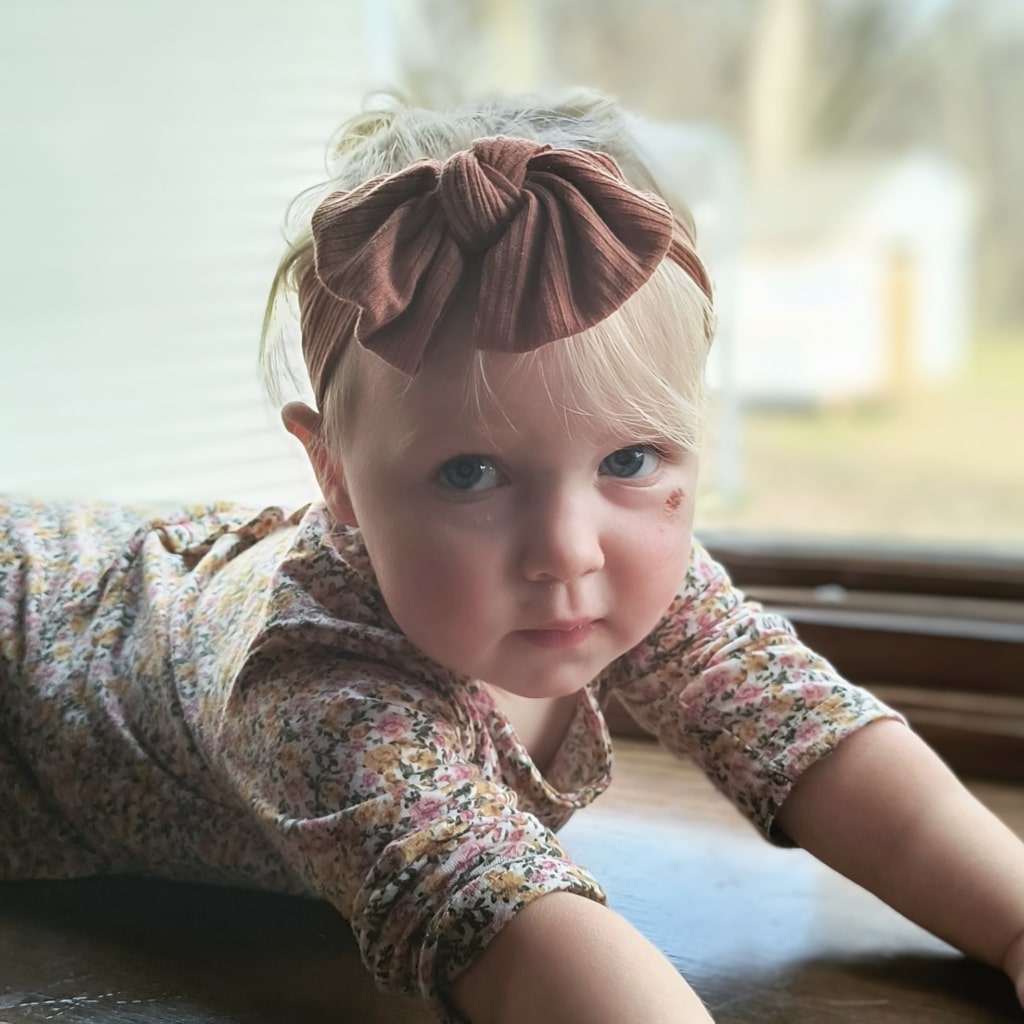
That fear quickly became anxiety about her little sister’s safety. Keeva watched Nelwyn constantly, terrified something might happen. We realized Keeva was not just grieving. She was trying to make sense of a world that suddenly felt unsafe. This is what led us to seek infant and early childhood mental health support.
Keeva’s anxiety began to impact Nelwyn as well. At daycare, Nelwyn started having behaviors, like withdrawing, becoming unusually clingy, and difficulty engaging, that the staff did not recognize as related to grief or stress. The teachers didn’t respond in ways that felt supportive or trauma-informed, and we ultimately had to find a new daycare that understood and could better support her emotional needs.
Keeva was diagnosed with PTSD before she even entered kindergarten.
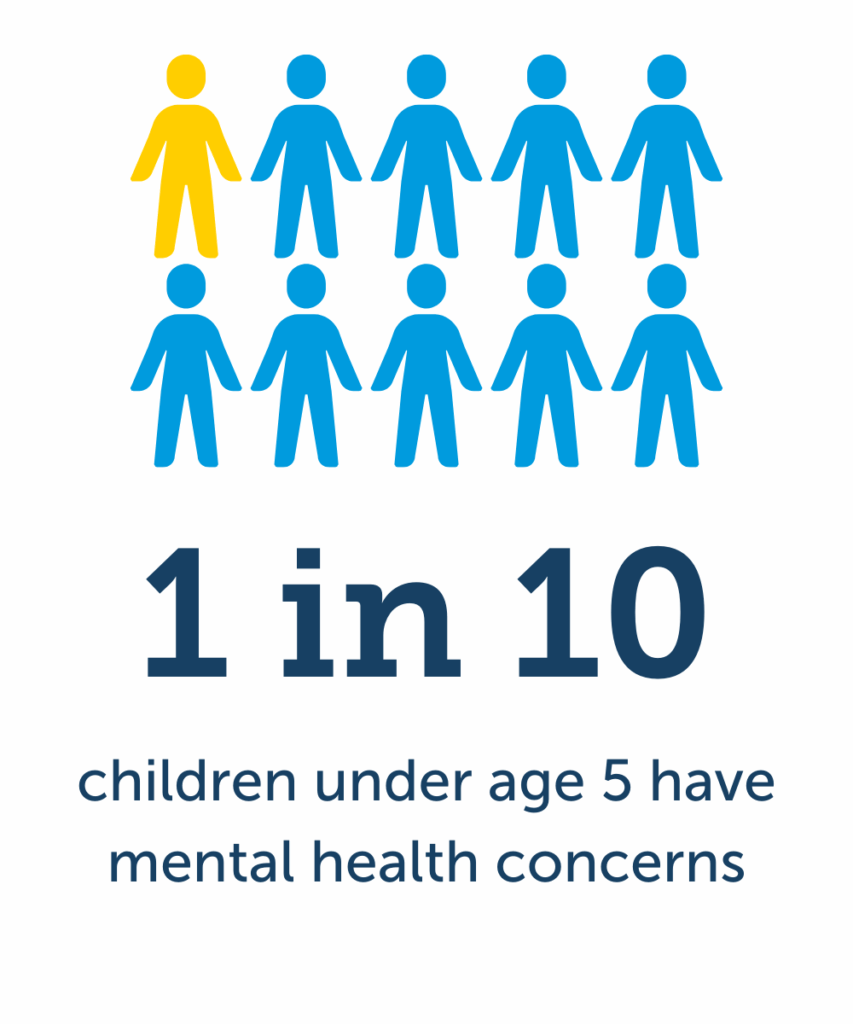
Believing in Babies Means Seeing the Whole Family
Keeva’s play therapy became a lifeline. With the support of professionals trained in early childhood mental health, she learned to process her emotions, build trust, and connect more positively with Nelwyn.
But accessing therapy services wasn’t easy. Many providers we reached out to minimized our concerns about Nelwyn, saying things like “kids are resilient — she’ll be fine when she’s older.” Some providers took our information and then never followed up. We spent a long time on waitlists and heard a lot of dismissals before finding a clinician with experience supporting very young children with complex emotional needs.
We also saw gaps within early learning settings. Teachers and staff cared deeply, but they were not trained in best practices for supporting children experiencing grief and trauma. Their responses sometimes unintentionally created additional challenges for our girls.
Families should not have to struggle this much to find support. Mental health services for infants and toddlers should be accessible, timely, and rooted in evidence-based practices.
Early childhood mental health is not optional. It is the foundation for everything that comes after.

We Need a Community of Believers
I share our story because many families are facing similar struggles. Thousands of parents experience loss, trauma, and adversity with their babies and toddlers. Too often, the systems meant to support them have barriers that make it even harder.
Nationally, about 25% of infants and toddlers have experienced at least one adverse childhood experience. These are not numbers. They are babies. They are children like mine carrying burdens far too heavy for their young age.
If we want children to thrive, we must ensure they have emotional support and stable relationships from the very beginning. That requires strengthening infant and early childhood mental health programs and the workforce that makes these programs possible.
Other Stories
Time to Heal Is Time to Thrive
Read the Story
The Village Desiree Deserves
Read the Story
Small Moments, Double the Joy
Read the Story
A Journey I Never Expected to Walk Alone
Read the Story
No Parent Should Have to Navigate This Alone
Read the Story
Finding My Purpose in the Hardest Places
Read the Story
Breaking a Pattern I Grew Up With
Read the Story
What My Baby Taught Me About Hope
Read the Story
We Work Better When We Work Together
Read the Story
Finding Strength in an Unexpected Moment
Read the Story
From Pain to Purpose
Read the Story
Safe, Loved and Growing
Read the Story