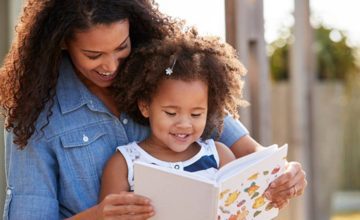
Celebrating Pride Month

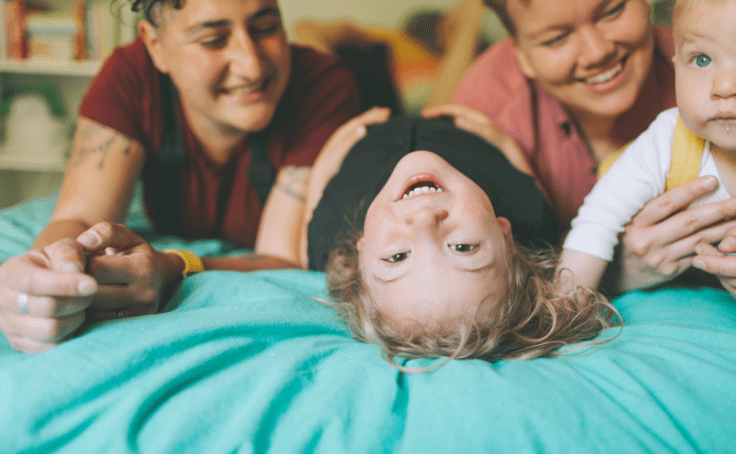
Approximately 29% of LGBTQ+ adults are raising a child who is under 18.

Fostering a sense of inclusivity and understanding starts in a child's earliest years.

Serving diverse families with respect and sensitivity has never been more critical for infant–toddler educators and the larger community of early childhood professionals. Each family’s cultural and social identity is unique, can be complex and absolutely influential to effective caregiving.

Professionals who work with families have their own social identities that often differ from those of the families they serve. Awareness of these influences and dynamics is the first step toward serving families with the intention, responsiveness, and respect that justice and equity demand. 

For LGBTQ+ families, feeling welcomed by child care centers and other early childhood service providers offers a sense of trust and security. 

How can early childhood programs create welcoming environments for LGBTQ+ families and providers?

When early childhood educators, caregivers and parents make an effort to maintain a welcoming atmosphere, it creates an environment in which all children and families can thrive.

We asked early childhood experts for their perspectives on what makes a difference when ensuring early childhood programs are inclusive of LGBTQ+ individuals and families.

For LGBTQ+ early childhood professionals, being able to bring their authentic self to work sends a message to children that they don't have to pretend to be something they're not.

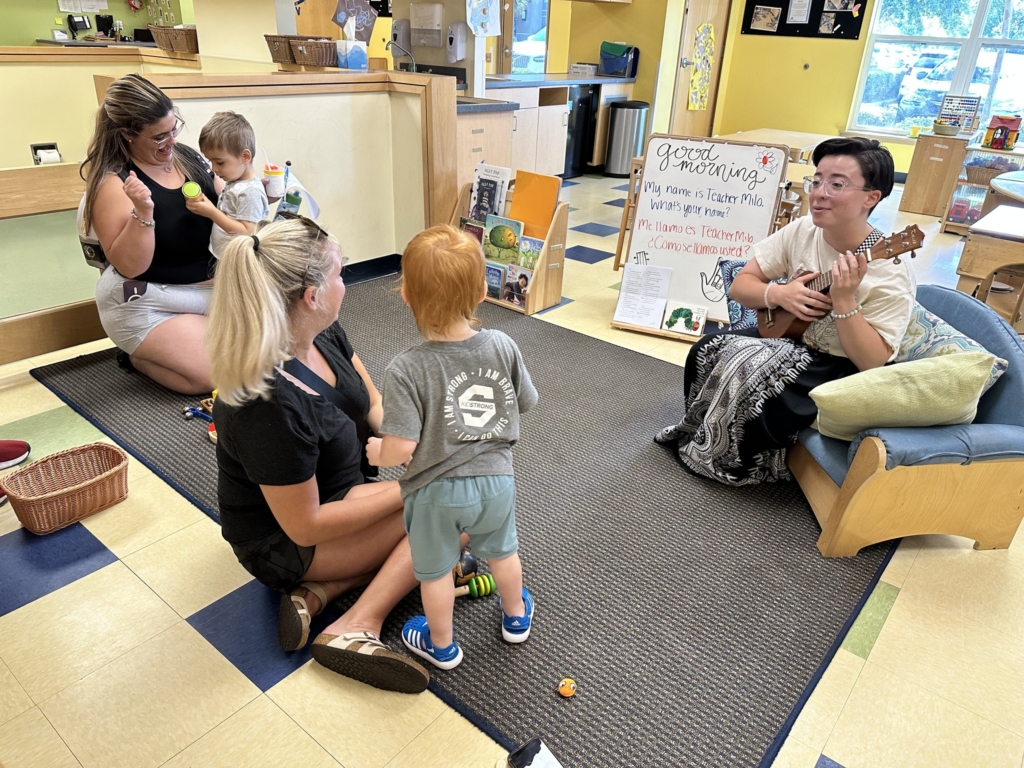
Milo playing music for children

From Hidden to Comfortable: My Journey as an LGBTQ+ Early Childhood Educator

My new school has a staff that is inviting and welcoming. I felt respected as a teacher. As I got to know different teachers, I realized it was my time to share who I was, and what pronouns I use.

Different Can Be a Good Thing

Co-star of Ms. Rachel's "Songs for Littles," Jules Hoffman, reflects on representation in early childhood and offers advice for educators and adults.

Research shows music is a powerful tool to support early childhood development. It promotes growth in the various developmental domains but also helps nurture connection and joy. Through each piece of content they create, Jules’ goal is to remind children they are loved no matter what.


“I always wondered how my life would have been different if I would have had representation of non-binary and trans people at an earlier age. I think I wouldn’t have questioned myself for so long and felt so othered. I wouldn’t have tried so hard to fit in with fake boyfriends, dresses, and gender norms that I hated.”
Related Resources for Parents and Professionals

Previous
Next
Save the Date for LEARN Conference 2026
Advertisement
Advertisement