
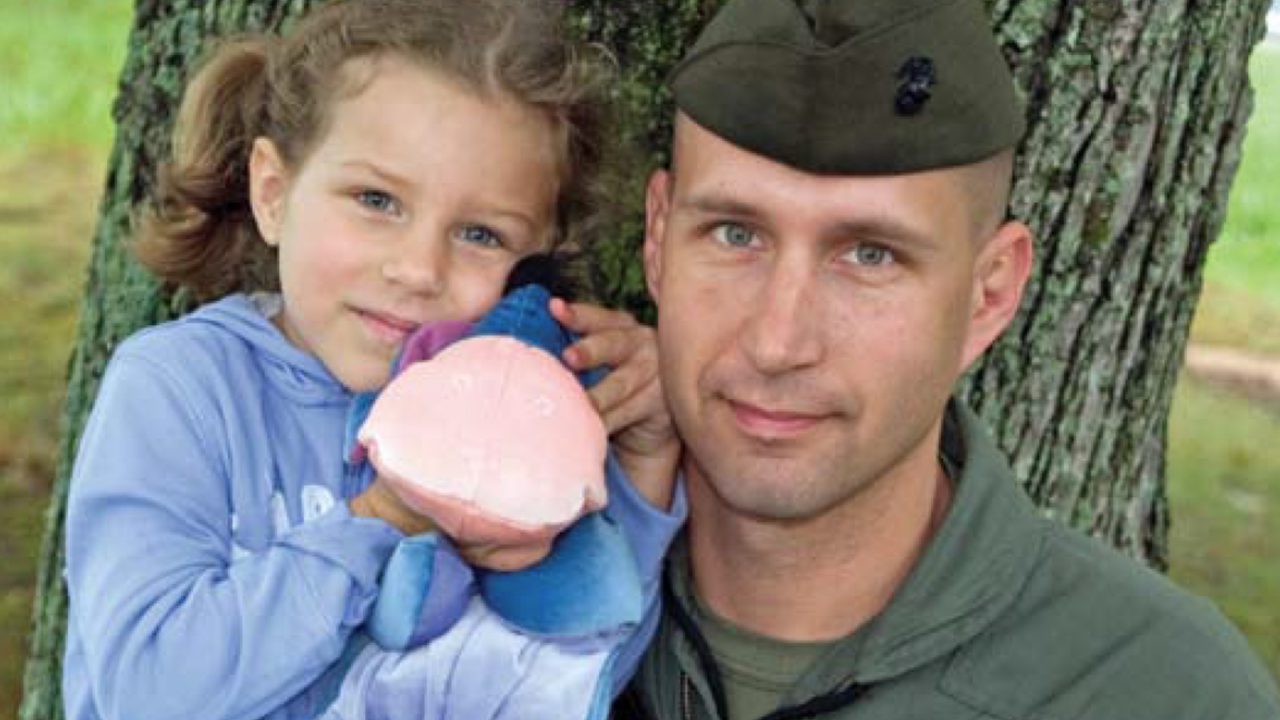
Returning home after military service can bring unexpected challenges for the whole family. If you or someone you love is struggling to adjust, combat and operational stress may be part of the reason. Sometimes called an invisible injury of war, combat and operational stress is a real physical injury caused by intense or prolonged stress during military service. It can change how the brain processes stress, memories, sights, sounds, and emotions—even though there may be no visible signs of injury. These changes are not a sign of weakness, and recovery is possible with the right support.
Combat stress can affect how a person thinks, feels, reacts, and connects with others. Babies and toddlers may not understand what a parent or caregiver has experienced, but they can sense tension and notice changes in routines, emotions, and relationships. When a parent is overwhelmed or emotionally exhausted, it can be harder to share the everyday moments that help young children feel safe and secure. This resource offers practical guidance to help families support young children while caring for themselves.
Key Takeaways
For Parents and Caregivers
- Combat and operational stress injuries are real, treatable, and not a sign of weakness.
- Young children may respond with clinginess, sleep changes, big emotions, or returning to earlier behaviors.
- Everyday moments like reading, cuddling, playing, and keeping routines help children feel safe and secure.
- Caring for your own mental health is one of the most important ways to support your child’s well-being.
For Professionals
- Recognize that combat stress affects the entire family, including infants and toddlers.
- Watch for behavioral changes that may reflect family stress rather than developmental concerns alone.
- Encourage responsive caregiving, predictable routines, and shared play to strengthen the parent-child relationship.
- Normalize help-seeking and connect families with military, veteran, and community resources when additional support is needed.
Download the resource below to learn more. This work is part of ZERO TO THREE’s Military Family Projects, which supports military and veteran families with trusted guidance grounded in the science of early childhood development.