
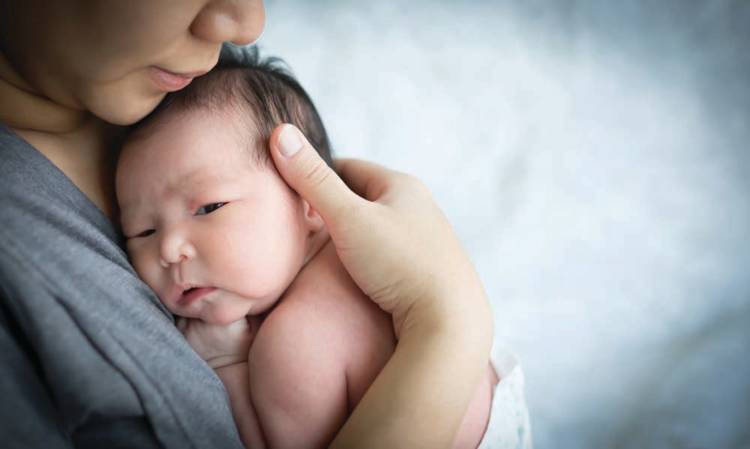


Take a moment to envision a parent with their newborn baby. For many of us, a stock image of a serene scene comes to mind — mother and child snuggled up, bonding, getting to know one another. The baby, forming millions of neural pathways each minute, begins to understand the world around them based on these nurturing experiences and stimuli. These are the building blocks for secure attachment.
But this calm, serene bonding doesn’t always happen easily. As many as one in five birthing parents struggle with a mental health disorder, which can stem from various causes like family history, brain chemistry, chronic medical problems, or stressful life experiences like trauma, abuse or economic hardship.
Perinatal mental health generally refers to the mental health of a parent during pregnancy and the first 12 months after delivery, though non-birthing parents, foster parents and adoptive parents can also struggle with behavioral health concerns during the early months of a child’s life.
For example, a parent who is battling postpartum depression during the perinatal period may not be able to respond to and interact with their baby as much as they would like to. Without proper supports, even simple tasks like feeding, bathing, and attending routine doctor’s appointments become overwhelming. Perinatal mental health is woven into every aspect of a child’s early life.