
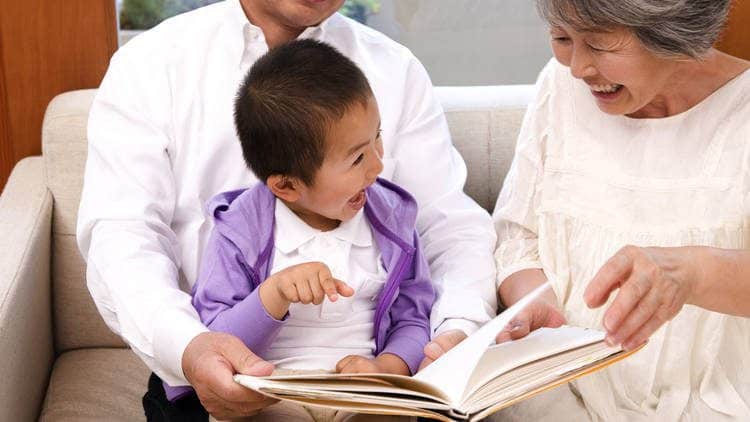
Learn how important it is to be aware of our own attitudes, beliefs, and values with respect to how young children are supported in their early language and literacy development.
| Key Messages: |
|---|
| Your work involves not only what you do but also how you are as you do it. |
| It is important to be aware of our own attitudes, beliefs, and values with respect to how young children are best taught and supported in their early language and literacy development. |
| Reflective practice is an important component of high-quality teaching. |
Preparing Yourself
- What are some of the values and beliefs you have about how young children learn early language and literacy?
- How might your cultural attitudes, beliefs, and values affect how you mentor?
Linking with the Caregiver
- Invite teachers to share with you.
- Ways they believe young children best learn and should be supported in early language and literacy
- Listen for ways that teachers
- Recognize their own culture, attitudes, beliefs, and values
- Demonstrate their ability to understand and respect cultural differences and child rearing practices
Acknowledge Strengths & Areas for Support
- Reflect back what you heard (content and feeling) and reach for clarity. Ask teachers what more they would like to learn about with respect to culture and reflection.
- Highlight strengths. Observe aloud how you have seen teachers interact with children and families in culturally respectful ways.
- Reframe teachers’ comments and concerns in ways that extend their understanding of the importance of reflecting on their culture (why they do what they do).
Next Steps
- Brainstorm together ways teachers can integrate self-reflection as part of their teaching practices.
- Identify resources that each of the following contributors might bring to the effort:
- Teachers
- You, as the mentor
- Colleagues or community