The period between 1 and 3 years is an exciting time. Toddlers are becoming aware that they are separate individuals from their parents and the other important people in their world.
This age range isn’t just a category, it marks a major shift in how children grow, move, and interact with the world. Around their first birthday to 18 months, babies often take their first steps, and with that mobility comes the nickname “toddler.” By age three, most children have developed a growing vocabulary, emotional expression, and increased independence.
Why this state matters
Brain development during the first three years of life is faster than at any other time. This period lays the foundation for lifelong learning, behavior, and health. In fact, a young child is developing 1 million neural connections every second!
Why is it called “toddler”?
The word “toddler” comes from “to toddle,” which means to walk unsteadily. It perfectly captures the way young children move during this stage — wobbly at first, then increasingly confident.
Is a 3-year-old still a toddler?
Technically, 3-year-olds are in a transition stage. Some resources call this the start of the “preschooler” phase, but many still consider ages 1-3 to be toddlerhood.
Is 18 months a baby or toddler?
By 18 months, a child is firmly in toddler territory. They’re usually walking, babbling or using words, and showing a strong sense of curiosity.
What milestones should my toddler be meeting by age?
Every child develops at their own pace. For the first time in nearly two decades, developmental milestones for infants and toddlers have recently been revised by the US Centers for Disease Control and the American Academy of Pediatrics. With this update, the percentage of children expected to meet certain milestones is raised to 75%, meaning 25% of children would not be expected to meet those milestones by that age.
Find developmental milestone checklists from 2 months through 5 years old.
A toddler is a child from age 1 (about 18 months) to 3, experiencing one of the most dynamic periods of growth. Understanding this stage helps parents, caregivers and early childhood professionals support young children in ways that make a lasting difference.
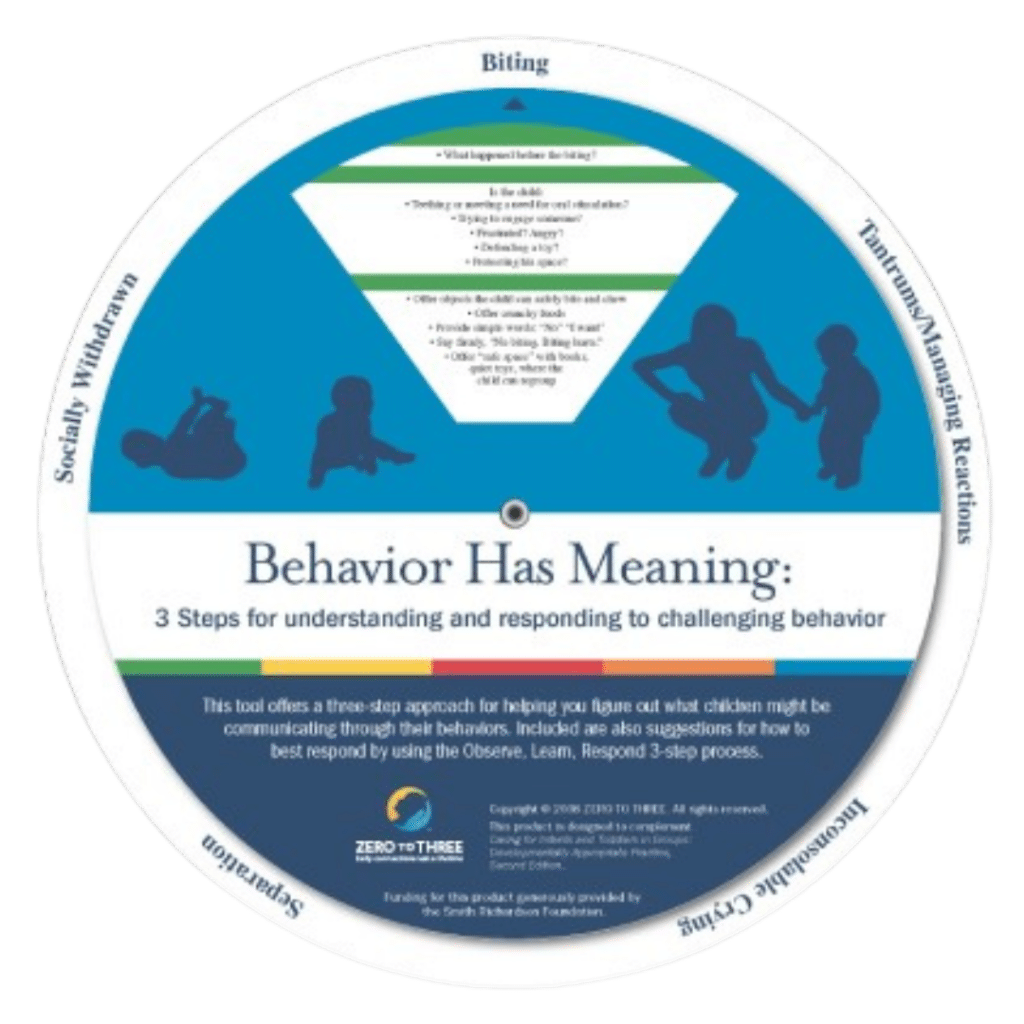
Explore tools to help caregivers understand and approach behaviors such as biting and tantrums.
Between birth to three years old you might notice your toddler's behavior become defiant. This is an important stage in their development.
Details
Distillation
Toddler Tantrums 101: Why They Happen and What You Can Do
Learn more about toddler tantrums 101: why they happen and what you can do to see tantrums as opportunities for your child to learn.
Details
Resource
Aggressive Behavior in Toddlers
Biting. Hitting. Meltdowns. Aggressive behavior in toddlers is tough. See what’s really going on and how to respond in ways that help manage strong emotions.