
My life’s work began not in a classroom or a boardroom, but in a hospital room with a premature baby who needed someone to believe in him.
Carla, North Carolina
Teaching Safety Before Fear
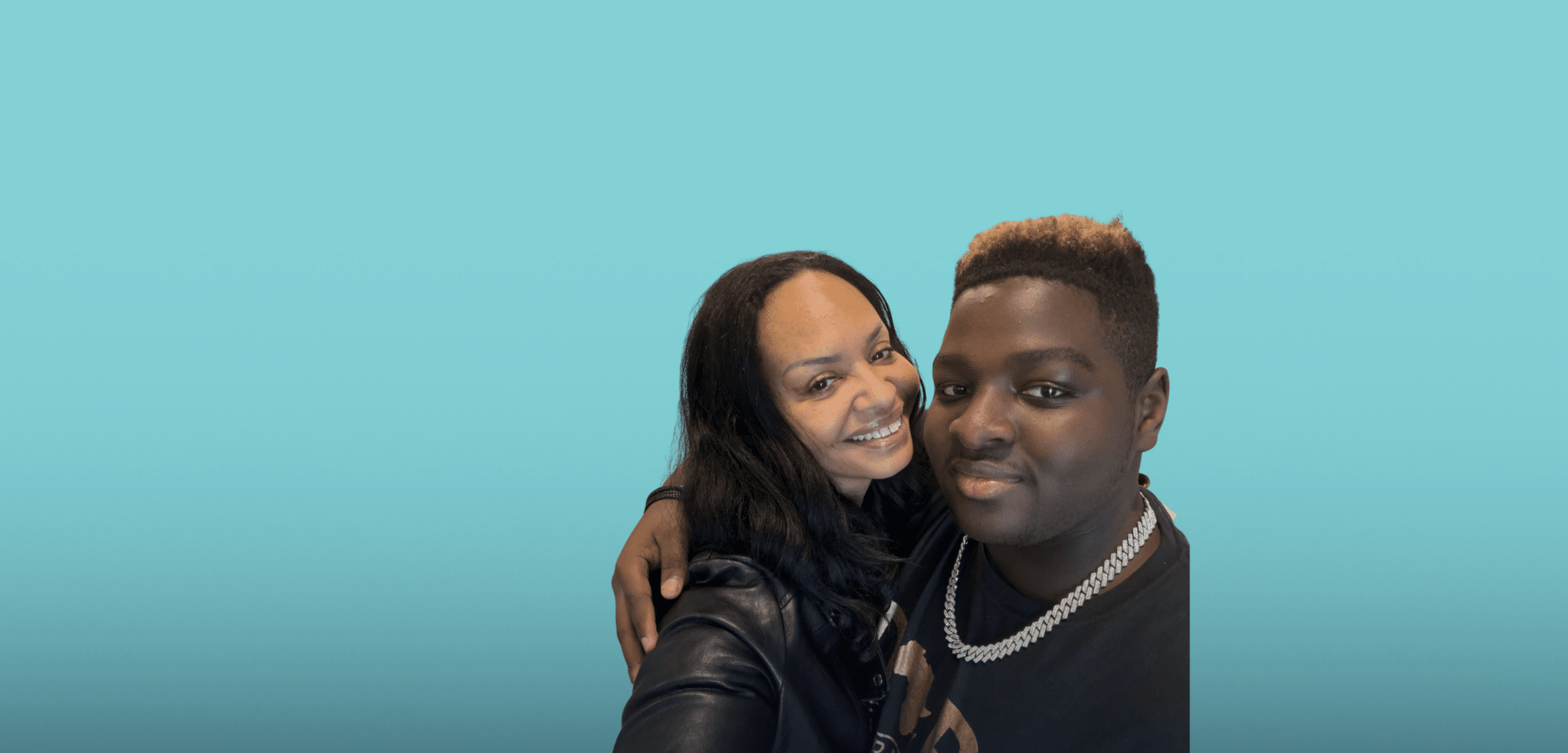
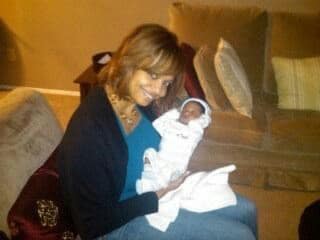
I became a foster mom to my son when he was just 10 days old and still in the hospital. He was tiny and fragile, and from the very beginning, I understood that his earliest experiences would matter. In those first months, I showed him I believed in him by being present. I held him close. I responded when he cried. I created predictable routines. I spoke softly to him and let him feel my heartbeat. I wanted his nervous system to learn safety before it learned fear.
For six months, he experienced consistency and love. Then he was returned to his birth mother, who was struggling deeply with her own unhealed trauma. There was no support in place. I chose to co-parent for the next six years because I believed he needed as many stable adults as possible in his life.
I wanted his nervous system to learn safety before it learned fear.
From Survival to Healing
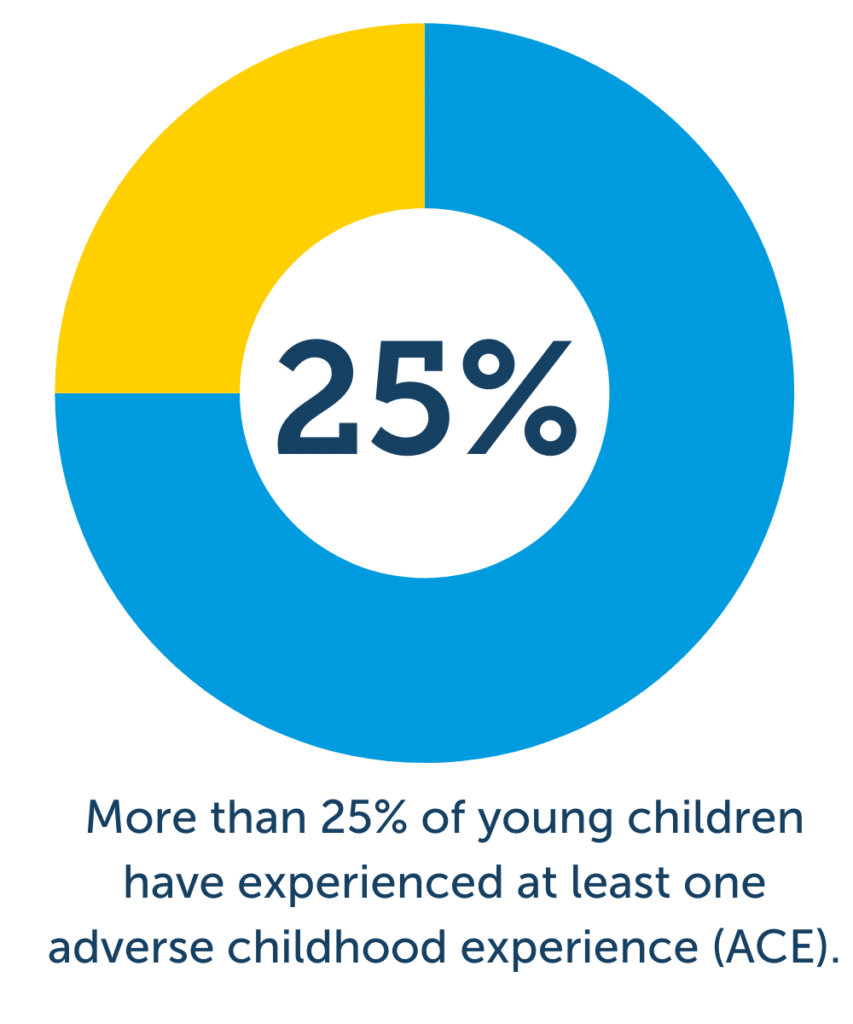
As he grew, I began to see the impact of early adversity and ongoing instability. By five years old, he was talking about suicide. By six, he tried to end his life. That moment changed everything. I gained emergency custody, and two years later, I adopted him. He was diagnosed with PTSD and became one of the youngest children in our community to enter behavioral health treatment for suicidality.
Believing in him during those years meant more than love. It meant learning about brain development and trauma. It meant long therapy sessions, trauma-focused care, intensive in-home services, and refusing to give up on his potential. It meant reminding him again and again that he was not broken, that what happened to him was not his fault, and that healing was possible.
We were not alone. Therapists, doctors, and caring professionals walked beside us. Friends and family prayed, encouraged, and showed up. That circle of support mattered. It reminded me that when we believe in babies, we also have to believe in and support the people who care for them.
Years later, his birth mother passed away from fentanyl poisoning. That loss added another layer of grief to his journey. It also deepened my understanding of how unaddressed trauma can travel across generations.
Believing in him meant refusing to give up on his potential, even in the hardest moments.
Why Believing in Babies Changes Everything
Today, at 16, my son is resilient, thoughtful, and strong in ways he does not yet fully recognize. He is more than a survivor. He is living proof that early relationships, consistent care, and community support can buffer even the hardest beginnings.
His story is why I advocate for babies and families. I have seen how the earliest years shape brain development, mental health, and a child’s sense of trust in the world. I have also seen how healing can happen when families are supported and systems respond early.
Believing in babies means investing in caregivers. It means recognizing that prevention begins long before crisis. It means surrounding families with the resources, compassion, and stability they need so children can grow in safety and strength.
Other Stories
Raising Mason, Raising My Voice
Read the Story
From Grief to Growth
Read the Story
A Journey I Never Expected to Walk Alone
Read the Story
Time to Heal Is Time to Thrive
Read the Story
Small Moments, Double the Joy
Read the Story
No Parent Should Have to Navigate This Alone
Read the Story
Finding My Purpose in the Hardest Places
Read the Story
Breaking a Pattern I Grew Up With
Read the Story
What My Baby Taught Me About Hope
Read the Story
We Work Better When We Work Together
Read the Story
Finding Strength in an Unexpected Moment
Read the Story