
Safe Babies changed the way I saw parents, babies, and what families are carrying, especially in the moments when everything is moving fast.
Ashley, Florida
We Work Better When We Work Together

I knew from a very young age that I wanted to be in a helping profession. Multiple generations of women in my family were helpers: nurses, teachers, the people everyone calls when something goes wrong. I knew I didn’t want to follow those exact paths, but I did know I wanted to make a difference in someone’s life.
I found my way into child welfare after meeting someone who was doing social work in the field. We talked about what the job looked like, what it required, what it asked of you, and something in me clicked. The idea of helping children, helping families, and being that steady “helper” drew me in. I started young, fresh out of college, excited to be in my first career and ready to do work that mattered.

My Why Has Always Been Family
My why is family. I’m deeply passionate about families: my own, the families I can serve, and supporting parents to be the best they can be. There are many families struggling. And I’m no stranger to struggle or what that looks like. That’s part of what motivates me to keep showing up: to be a helper in whatever way I can.
When I think about transforming child welfare, I think about what it means to support families, not just one at a time, but actual change; changing how the system responds so that families aren’t navigating it alone.

What I Wish I Had Known Earlier
When I first started at Safe Babies, I learned so much that it was completely different from how I had been trained and how I had been doing things.
In child welfare training, you may get a brief overview of trauma. But it’s not an in-depth look at trauma: what it does to the brain, what it does to babies, what it does to parents who are trying to function under chronic stress. There are so many things you don’t learn in six weeks of training.
Safe Babies was eye-opening. It changed the way I looked at families, at parents, at babies, and what they were experiencing when they were removed from home and moved through multiple placements.
It also changed how I understood the system itself.
Child welfare is hard. You carry things home. There’s no way around it.
A Word for Child Welfare Workers
My biggest advice to fellow child welfare workers is this: seek reflective supervision. It’s not always readily available, but it’s critical. You need a place to process what you’re holding because the experiences families go through can stay with you for years, even when they aren’t the families you serve anymore.
Being able to talk through what you’re absorbing helps you heal and helps you show up more effectively for families. It protects your capacity to do this work with care.

A Future Built on Collaboration
Today, my purpose is to help systems work the way families need them to work: connected, aligned, and grounded in what babies and parents are experiencing in real time. Safe Babies gave me a different lens and it changed not only how I support families, but how I believe child welfare can become more human, more effective, and more hopeful.
Families shouldn’t have to live in the gaps of the system. When we sit at the same table, share the same information, and truly hear parents together we get closer to what every family deserves: support that fits, relationships that heal, and outcomes that reflect possibility.
Other Stories
Raising Mason, Raising My Voice
Read the Story
Teaching Safety Before Fear
Read the Story
From Grief to Growth
Read the Story
A Journey I Never Expected to Walk Alone
Read the Story
Time to Heal Is Time to Thrive
Read the Story
Small Moments, Double the Joy
Read the Story
No Parent Should Have to Navigate This Alone
Read the Story
Finding My Purpose in the Hardest Places
Read the Story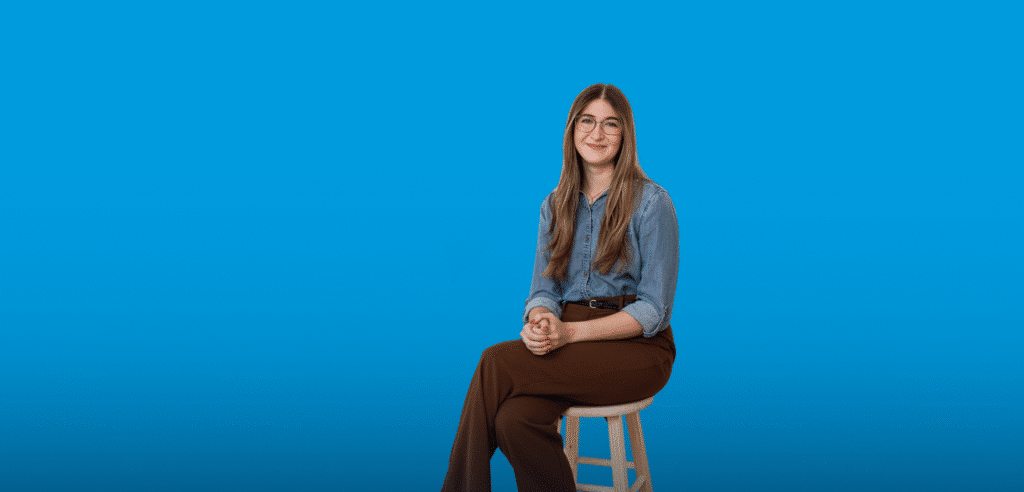
Breaking a Pattern I Grew Up With
Read the Story
What My Baby Taught Me About Hope
Read the Story
Finding Strength in an Unexpected Moment
Read the Story