
Home/Resources/Infant and Early Childhood Mental Health/Change Agents for Maternal Mental Health

Change Agents for Maternal Mental Health

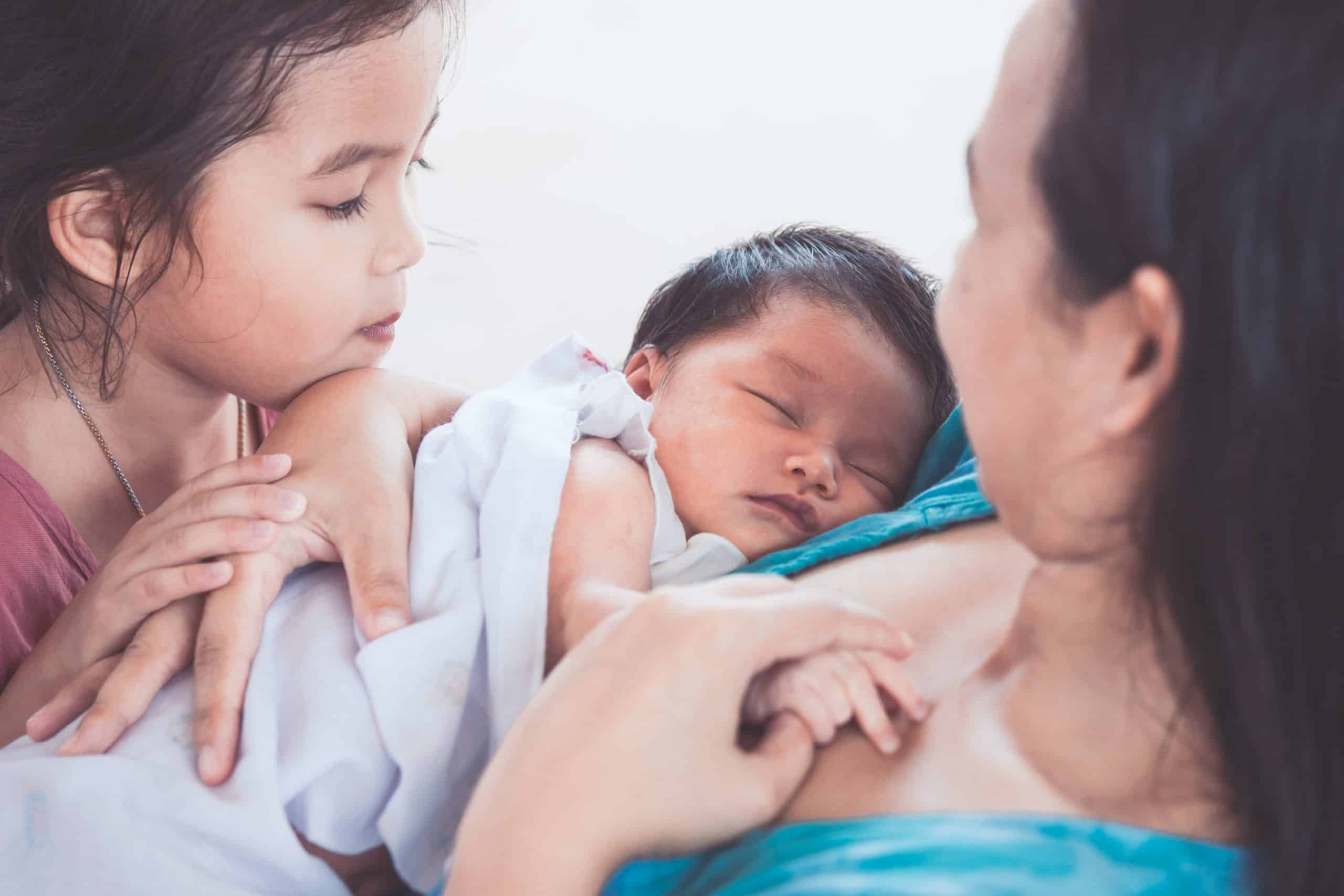
Baby Sleeping in mother's arms with sister watching

Who we become starts before birth. Brain development begins early, shaped not only by genetics but by the environment surrounding a pregnancy. That means mothers need strong physical and mental health support throughout the perinatal period.

The data are clear. As many as one in five people experience a mental health disorder during pregnancy, including anxiety and depression. Nationally, 21.9% of mothers report less than optimal mental health, and half of women diagnosed with perinatal depression do not receive treatment. Research also shows that untreated prenatal mental health conditions are linked to changes in fetal brain development and higher risk for later social, emotional and cognitive challenges in children.

For too long, maternal mental health and its impact on babies have been overlooked. But across the country, leaders are changing that. Meet a few change agents advancing maternal mental health, strengthening supports for families and ensuring that care begins when it matters most.
What is perinatal mental health?
Our mental health begins before birth.

Newborns exposed to untreated maternal depression have less connectivity between the prefrontal cortex and amygdala.

Catherine Monk, PhD

Professor, Medical Psychology, Columbia University and ZERO TO THREE Board Member

Dr. Monk has contributed to the scientific evidence showing that when pregnant women experience stress, anxiety, and depression, it affects them as well as their offspring in utero.  Her current research spans interventions for postpartum depression, adverse childhood experiences in pregnant people and their effect on children even before birth and studies of pre and postnatal exposure to maternal toxic stress and neurobehavioral development. 

The unacknowledged histories and harms of maternal and reproductive health care for Black women and Black birthing people are forever ringing the alarms in our bodies and our psyche.

Markita Mays LCSW

Co-founder of EMBRACE, UCSF National Center of Excellence in Women's Health​

A recipient of our 2021 Emerging Leadership Award, Markita works to understand and expose the intergenerational patterns of race and trauma for African American families and communities. She co-created EMBRACE, a clinical program that offers Black mothers and Black pregnant people prenatal care from an intentional angle of racial consciousness, using a model of care where social and economic factors are identified and addressed. The program includes village building with other Black families, integrated behavioral healthcare, mindfulness practices and more — with the ultimate goal of supporting the creation of Black lives by reclaiming health, wellness, and self-determination for Black birthing.  

Motherhood is a journey not meant to be traveled alone. It’s essential to find community and connection during pregnancy and after birth.

Shemika Whiteside, MSSW, CSW

Founder/Executive Director, Zora's Cradle and ZERO TO THREE Fellow​

Shemika is a mother, advocate and ZERO TO THREE Fellow who turned personal loss into purpose. After experiencing the devastating impact of untreated maternal mental health challenges, she began speaking out to ensure other families do not suffer in silence. By sharing her story, Shemika has helped raise awareness about postpartum depression, stigma and the urgent need for culturally responsive mental health care. Her advocacy centers on making sure Black mothers are heard, supported and connected to services early, so both parents and babies can thrive.

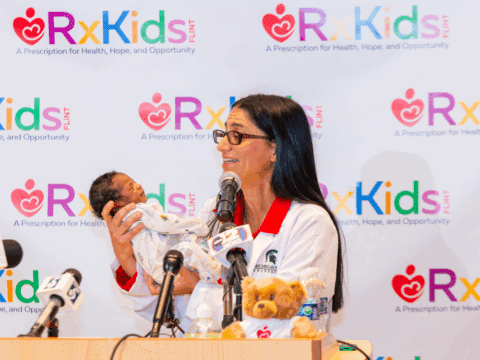
Dr. Mona holding a newborn baby

I’ve seen how even a few hundred dollars can shift the trajectory of a family’s life.

Dr. Mona Hanna

Director of Rx Kids, Associate Dean of Public Health at Michigan State University College of Human Medicine

Dr. Mona Hanna is a pediatrician, public health leader and activist working to reduce the stresses families face during pregnancy and infancy. She serves as Associate Dean for Public Health and C.S. Mott Endowed Professor at Michigan State University’s College of Human Medicine and founded the Pediatric Public Health Initiative in Flint, Michigan.

Dr. Hanna leads Rx Kids, a first-in-the-nation prenatal and infant support program tied to significant declines in preterm births and low birthweight and reductions in NICU admissions. She has been recognized by Time as one of the 100 Most Influential People for her work uncovering the Flint water crisis and improving community health. Her work shows how reducing financial and psychosocial stress for parents can improve health and development outcomes for babies and families.

Did you know as many as 1 in 5 people struggle with a mental health disorder during pregnancy?

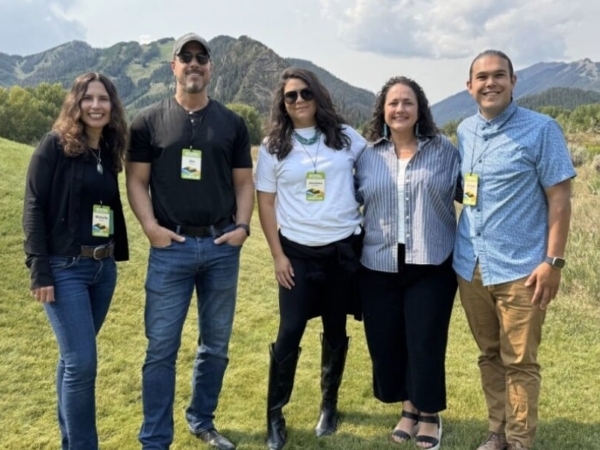
Michelle Sarche with Native American Colleagues from the Aspen Fellowship

Our cultures have always understood that babies are sacred and that families and communities share responsibility for their well-being.

Michelle Sarche, PhD

Associate Professor, University of Colorado Anschutz Medical Campus, Centers for American Indian and Alaska Native Health & Director, Tribal Early Childhood Research Center

Michelle is a leader in infant and early childhood mental health whose work is deeply grounded in Native American communities. As a citizen of the Lac Courte Oreilles Band of Lake Superior Ojibwe, Michele brings both professional expertise and cultural knowledge to advancing maternal and infant mental health.

Her work focuses on partnering with Tribal communities to strengthen culturally rooted supports for parents and babies, honoring Indigenous traditions, resilience and the central role of family and community in early development. Through research, training and systems change, she helps ensure that Native families receive care that reflects their values, histories and strengths.

DC:0-5 gives us a shared language for understanding babies and young children in the context of their relationships.

Noelle Hause

Senior Professional Development (PD) Manager, Infant and Early Childhood Mental Health

Noelle Hause has played a key role in expanding access to DC:0-5 training and strengthening the infant and early childhood mental health workforce nationwide. Through her leadership, thousands of professionals across disciplines have been trained to use DC:0-5 as a developmentally grounded, relationship-centered diagnostic tool. Participants consistently report increased confidence in assessing young children, deeper understanding of the relational context in diagnosis and stronger ability to differentiate typical development from clinical concern.

DC:0-5 trainings under Noelle’s direction emphasize practical application, cultural responsiveness and reflective practice. As a result, clinicians and systems leaders leave with clearer frameworks for early identification, more accurate diagnosis and more thoughtful treatment planning. Her work is helping shift the field toward earlier, more precise and more equitable mental health care for babies and young children.

When we support a parent’s mental health, we are not just helping one person—we are changing the trajectory of a family.

Dr. Diana Morlen

Associate Professor, Clinical Child Psychology, Department of Psychology, University of Denver

Dr. Diana Morelen is an associate professor of psychology at East Tennessee State University and a licensed clinical psychologist specializing in perinatal and infant mental health. A 2025 Infant and Early Childhood Mental Health Emerging Leadership Award winner, Morelen is recognized for her commitment to breaking the intergenerational transmission of trauma through evidence-based prevention and early intervention.

She integrates trauma-informed, relationship-based approaches that strengthen caregiver–infant bonds and promote resilience in families and communities. Drawing from both her clinical expertise and lived experience with perinatal anxiety, neurodiversity and NICU parenting, Diana brings authenticity and depth to her work. Her leadership reflects a clear focus on supporting caregivers early, knowing that when parents receive compassionate, informed care, babies benefit for a lifetime.

A mother who prioritizes her own well-being is more present, less reactive, and more attuned to both her children and herself.

Bernadette McDaniel, MSW

HealthySteps Specialist, Ellis Pediatrics.

For the past eight years, Bernadette McDaniel has been supporting families as a HealthySteps Specialist at Ellis Pediatrics. She has over 23 years of experience in mental health, working in various care settings. In 2017, she became the first HealthySteps Specialist in New York’s Capital Region and has served as a HealthySteps Ambassador. She supports families with early intervention, developmental resources, and pediatric care follow-ups, collaborating with organizations to assist those facing domestic violence, homelessness, and substance use disorder. As a HealthySteps Specialist, Bernadette strives to meet moms with a nonjudgmental approach, creating space for trust and information sharing.

Bernadette is also a Board Member of the nonprofit organization, Things of My Very Own, where she helps support victims of domestic violence and sexual assault. She finds joy in helping children grow and empowering parents.

Challenge yourself and learn with us. Sign up for exclusive updates about trainings and events. ​

Next Up
Infant Mental Health and Cultural Competence
Supporting staff members in how best to provide high quality, culturally competent services to children and families is a critically important skill for program leaders.