

Buzzwords Explained: Perinatal Mental Health
Key Takeaways
- As many as one in five mothers struggle with a mental health disorder.
- Because babies and toddlers grow up in the context of relationships, the mental health of their parents and caregivers is inextricably linked to a baby’s development during these critical early years.
- Research has shown that specific community supports and treatment are extremely effective in improving perinatal mental health outcomes.
Because babies and toddlers grow up in the context of relationships, the mental health of their parents and caregivers is inextricably linked to a baby’s development during these critical early years.

Khanh H. Nguyen, MSW, MPH
Khanh is a Senior Policy Analyst for ZERO TO THREE with expertise in maternal and child health and health policy.
What is perinatal mental health?
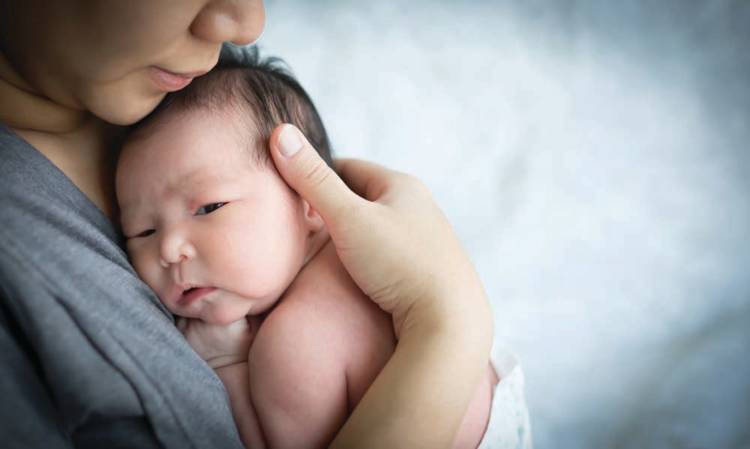
Take a moment to envision a parent with their newborn baby. For many of us, a stock image of a serene scene comes to mind — mother and child snuggled up, bonding, getting to know one another. The baby, forming millions of neural pathways each minute, begins to understand the world around them based on these nurturing experiences and stimuli. These are the building blocks for secure attachment.
But this calm, serene bonding doesn’t always happen easily. As many as one in five birthing parents struggle with a mental health disorder, which can stem from various causes like family history, brain chemistry, chronic medical problems, or stressful life experiences like trauma, abuse or economic hardship.
Perinatal mental health generally refers to the mental health of a parent during pregnancy and the first 12 months after delivery, though fathers, foster parents and adoptive parents can also struggle with behavioral health concerns during the early months of a child’s life.
- Postpartum depression: Can cause sadness, fatigue, and feeling disconnected from the baby; emotional support and professional help are important.
- Postpartum anxiety: Can cause excessive worry, restlessness, and racing thoughts; support and open communication can help.
- Postpartum psychosis: A rare but serious condition that can cause confusion, hallucinations, and obsessive thoughts and requires immediate medical attention.
When those early bonding moments are hampered by a caregiver’s poor mental health, it can affect a baby’s early development.
For example, a parent who is battling postpartum depression during the perinatal period may not be able to respond to and interact with their baby as much as they would like to. Without proper supports, even simple tasks like feeding, bathing, and attending routine doctor’s appointments become overwhelming. Perinatal mental health is woven into every aspect of a child’s early life.
Did you know?
Parental mental illness is considered an adverse childhood experience (ACE).
How does perinatal mental health affect babies and toddlers?
The first three years of life set the stage for lifelong success. Because babies and toddlers grow up in the context of relationships, the mental health of their parents and caregivers is inextricably linked to a baby’s development during these critical early years. But according to the Policy Center for Maternal Mental Health, 96 percent of birthing-aged women in the United States live in an area with a shortage of maternal mental health professionals.
When a parent struggles with anxiety or depression during pregnancy or after birth it can alter a baby’s:
- Social and emotional development
- Attachment and bonding
- Physical health
- Stress and trauma responses
An infant with a healthy attachment to a caregiver will have positive outcomes in the areas of:
- Trusting
- Learning
- Thinking
- Modulating emotions
- Developing future relationships
Healthy parents are less likely to be reported for maltreatment and to otherwise come into contact with the child welfare system. Some families face ongoing community violence or discrimination that increase the risk of developing mental health conditions, while at the same time being less likely to receive care. This can compound already elevated rates of child welfare reporting and removal.
Is pregnancy an optimal time to treat maternal depression?
Adverse childhood experiences begin even before birth. Early childhood professionals are key to making a lifelong impact starting in the early years of development.
Unaddressed parental mental health challenges may increase the likelihood of involvement in the child welfare system. In her work with Safe Babies, Marshalle works to promote parental and caregiver mental health during the perinatal period and prevent child welfare involvement.
Unaddressed parental mental health challenges may increase the likelihood of involvement in the child welfare system. In her work with Safe Babies, Marshalle works to promote parental and caregiver mental health during the perinatal period and prevent child welfare involvement.
How is mental health risk transmitted from parents to children?
That doesn’t mean that every baby who has a parent struggling during the perinatal period will have a negative outcome, though.
Supporting women experiencing postpartum mental health challenges involves empathy, understanding, and access to resources. Encouraging open conversations, providing emotional support, and connecting mothers with healthcare professionals who specialize in postpartum mental health are essential steps toward recovery. Remember, postpartum mental health is a valid concern that should not be dismissed or stigmatized.
Research has shown that specific community supports and treatment are extremely effective in improving perinatal mental health outcomes. They even reduce the rate of child welfare involvement. Our policy center is hard at work advocating for those proven strategies:
- Pushing to expand adult Medicaid coverage and extend pregnancy-related Medicaid coverage until a child’s first birthday so that the mother can access mental health services throughout the perinatal period.
- Advocating for expanded access to home visiting and doula care, which are both shown to reduce negative perinatal mental health outcomes.
- Improving universal screening tools and procedures so that doctors and community healthcare workers can identify parents who need help — and connect them to that help.
Promoting positive perinatal mental health in two key areas:
Within the Child Welfare System
Safe Babies works to help professionals foster positive mental health for both parents and children, so that communities and states can address trauma and align support through various family-serving systems such as child welfare, mental health, and education.
Inside the Pediatrician's Office
As one of its many initiatives of elevating the promise of pediatric care, HealthySteps requires universal screenings for maternal depression in pediatric primary care settings. This creates more opportunities for prevention and encourages treatment by providing families with referrals and offering close follow-up and support.


Distillation
Maternal Mental Health and Prenatal Brain Development: A Proven Link
Various factors can contribute to poor maternal mental health and research shows that impacts babies even before they are born.