By putting relationships at the heart of our work, we acknowledge the profound effect that others have on us…
Early literacy is the development of skills that prepare children to read and write later in life. It begins at birth and grows through everyday experiences with trusted adults.
Early literacy is not the same as early reading.
Instead, it includes:
Listening to and understanding language
Building vocabulary through conversation
Recognizing sounds, rhymes and patterns in words
Learning that books and print carry meaning
Developing storytelling and communication skills
Exploring letters, symbols and early writing through play
Building positive relationships around books and reading
Does Early Literacy Depend on How Many Words a Baby Hears?
For years, conversations about early literacy focused on the number of words children hear. While language exposure matters, research now shows that the quality of interactions is even more important than simply counting words.
Babies learn best through responsive, back-and-forth interactions (often called serve-and-return interactions) with caring adults. When a baby babbles, points, smiles or gestures, they are “serving.” When an adult responds with eye contact, words, expressions or actions, they are “returning.”
These serve-and-return moments help children:
Build language skills
Develop vocabulary
Strengthen brain connections
Learn communication patterns
Feel safe, connected and understood
A child who experiences warm, responsive conversations throughout the day gains much more than words alone. They learn that communication has meaning and that relationships are a source of learning and growth.
How Parents and Caregivers Can Support Early Literacy
You don’t need special materials or hours of structured instruction to support early literacy.
Simple everyday moments make a difference.
Talk Together
Describe what you’re doing, what your child sees and what interests them. Everyday conversations help build vocabulary and language skills.
Read Every Day
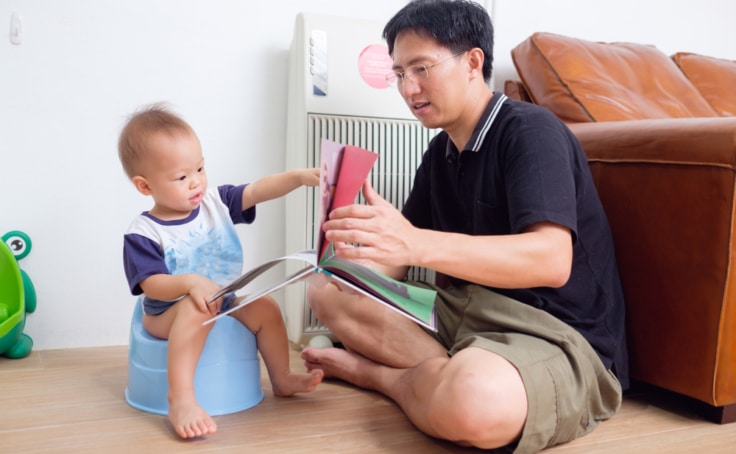
Shared reading introduces new words, ideas and opportunities for connection. Even a few minutes a day can support early literacy development.
Sing Songs and Rhymes
Music, repetition and rhyme help children recognize sounds, patterns and rhythms in language that support future reading skills.
Follow Your Child’s Lead
Notice what captures your child’s attention and build conversations around it. Children learn best when adults respond to their interests and curiosity.
Make Reading Interactive
Ask questions, point to pictures and encourage children to participate in the story. Back-and-forth engagement helps children connect words with meaning.
Practice Serve-and-Return
When your baby babbles, points, smiles or gestures, respond with words, expressions or actions. These responsive interactions strengthen brain development, communication skills and early literacy learning.
The journey from sounds to language is an intricate process that begins in infancy. Learn about the ways infants begin to translate sounds to language.