
Trauma-informed care is essential in all early childhood settings, as young children’s early experiences—whether in child care, healthcare, or community programs—shape their emotional and developmental well-being. By equipping early childhood professionals with trauma-sensitive approaches, we can create safe, supportive environments that help children heal, build resilience, and thrive despite adversity.
Supporting Young Children Through Uncertain Times: Resources for Stress and Trauma

Young children and their families are profoundly impacted by trauma, which can have lasting implications for their well-being and development.
Babies and toddlers often lack the words to convey how they are feeling, leaving caregivers and professionals to interpret a range of unexpected or atypical behaviors. Understanding and supporting young children in these situations requires knowledge, empathy and access to specialized tools and services.
This resource center is designed for early childhood development professionals working with families affected by stress or trauma. It offers trauma-informed guidance, tools and connections to help professionals support the unique developmental and emotional needs of young children and their caregivers.
Trauma-informed resources for professionals
Explore strategies and resources to help professionals provide compassionate, culturally responsive support to babies, toddlers, and their caregivers impacted by trauma and stress.
From creating safe, nurturing environments to connecting families with mental health and legal resources, there is much we can do to help mitigate the effects of these challenging experiences and foster resilience in children and their families.
Trauma-Informed Care
Trauma-Informed Care in Early Childhood Education
Implementing trauma training for educators can increase the chances that young traumatized children recover, thrive, and enter kindergarten ready to learn.
Trauma-Responsiveness in Early Childhood: A Foundational Practice
This webinar explores trauma language and trauma-responsive efforts to identify structures that bolster child-centered approaches, applicable in child welfare settings and beyond.
Family Separation
Family separation—whether due to child welfare involvement, parental incarceration, immigration enforcement, or divorce—can have lasting effects on a young child’s emotional and developmental well-being. Early childhood professionals play a crucial role in providing trauma-informed support, helping children maintain stable relationships, and ensuring they have the resources needed to navigate these challenging transitions.
Promoting Resilience with Children Impacted by Parental Incarceration
This ZERO TO THREE Member article discusses how childhood professionals can provide critical supports and services that build on family strengths and foster resilience in children affected by the trauma of parental incarceration.
Traumatic Family Separation: Tips for Caregivers
This tip sheet from The National Child Traumatic Stress Network provides tips for current caregivers and others to help address the needs of immigrant and refugee children who have experienced traumatic separaton.
Resources for Families Facing Deportation and Separation
Information for early childhood development professionals working with families affected by deportation, forced separation, or the challenges of mixed-status households.
Sudden Traumatic Events
Sudden traumatic events—such as wildfires, hurricanes, or community violence—can disrupt a young child’s sense of security and impact their emotional and developmental well-being. Early childhood professionals can help by providing trauma-informed care, creating safe and predictable environments, and connecting families to resources that support resilience and healing.
Talking Trauma with Young Children
In this webinar, early childhood experts have a candid conversation about how adults, whether caregivers, early education professionals, or advocates, can navigate tough conversations with young children.
Compassionate Response
This free training is for agencies partnering with first responders and offers strategies on scene to mitigate traumatic impacts on young children as well as tips to support their own mental health and well-being.
Coping with Trauma and Stress in the Face of Wildfires and Natural Disasters
Guidance and tips for early childhood professionals working with babies and toddlers impacted by natural disasters.
Supporting Families: Young Children and Gun Violence
Resources and guidance on helping parents and professionals manage their own responses while creating a protective, nurturing environment for young children.
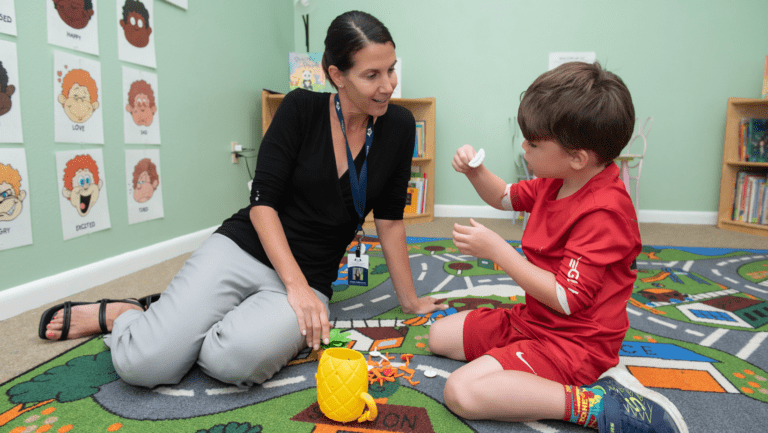
What do mental health issues in young children look like?

“Providing services and supports to babies and toddlers should be noncontroversial and apolitical. Any disruption or interruption of funding causes significant and unnecessary stress on parents and professionals. We owe it to our children to ensure quality and continuity of care.”
Lana Shklyar Nenide, MS, IMH-E ®, Executive Director, Wisconsin Alliance for Infant Mental Health
Wellness Resources for Professionals

Early childhood professionals dedicate themselves to supporting children and families, but constant exposure to stress and hardship can take a toll. Over time, this can lead to compassion fatigue, impacting both well-being and effectiveness. Professionals in any field are at risk of burnout, but compassion fatigue specifically affects those who provide care to others. We have included some information, strategies and brief practices that can be used throughout the day to care for yourself and stay present with the children and families you work with.
Buzzwords Explained: Compassion Fatigue
Learn more about compassion fatigue and download a guide to signs and symptoms. Access tips and suggestions to address compassion fatigue in early childhood professionals.
Mindfulness in Early Childhood
Mindfulness has been used with adults to reduce stress, bolster overall health and psychological functioning, and assist a return to wellness. Studies show that mindfulness practices that are specific, ongoing, and led by an expert has an impact in early childhood settings.
Reflective Practice
Reflective practice fosters responsivity versus reactivity. It reduces burnout and promotes psychological safety in teams and in work with families. Our daily checklist can help early childhood professionals make reflective practice part of their routine.
IECMH Directory
This list of IECMH contacts in each state can field inquiries, provide guidance, and connect you to local resources and clinicians specializing in trauma-informed care for infants and toddlers.
This project promotes efforts to achieve positive outcomes for infants and young children by highlighting research-informed infant-early childhood mental health (IECMH) state policies and scaled initiatives. This directory profiles exemplary IECMH strategies used in state policies and scaled initiatives.
Resilience isn’t like some magic dust that gets sprinkled on you. It is a byproduct of safe and loving environments and safe and loving relationships.
Rebecca Parlakian
Upcoming Events and Trainings
Rooted in trauma-informed practices, ZERO TO THREE’s virtual and in-person trainings offer the latest from our experts in early childhood development.

Portland, OR
October 27, 2026
ZERO TO THREE LEARN Conference 2026
Gain practical strategies, fresh insights and meaningful connections to better support young children, families and your professional growth.

Virtual
November 12, 2026
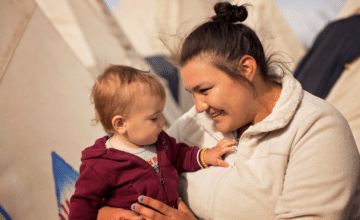
Partnering with Mother Nature: Wellness and Healing
Explore how nature can support healing, reflection and relational well-being through somatic awareness, storytelling and Indigenous wisdom.
Virtual
November 19, 2026
Special Rebroadcast of the 2026 LEARN Research/Science Plenary
Explore how family, community, and systems shape children’s development and learn to interpret complex contexts more thoughtfully.

Virtual
January 14, 2027
Designing Infant Rooms That Encourage Autonomy, Exploration, and Discovery
Through guided reflection, discussion, and creative activities, participants will strengthen their capacity for reflective, self-aware practice.

Virtual
March 11, 2027
Unpacking the “Invisible Backpack”
Through guided reflection, discussion, and creative activities, participants will strengthen their capacity for reflective, self-aware practice.
Previous
Next
Take action and get updates
Tell Congress to make babies and families a national priority.
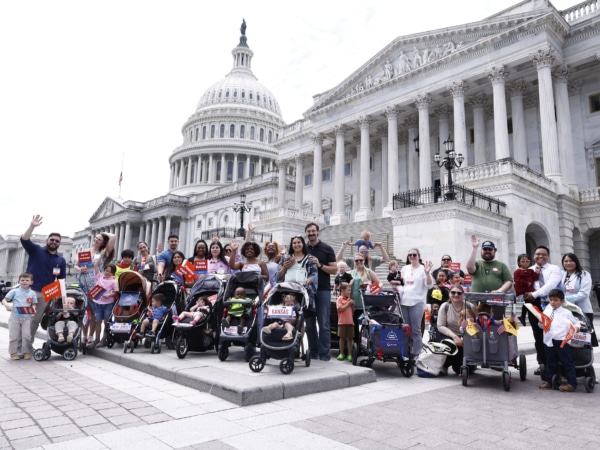
Use our tool to contact your representatives and sign up for the latest information and action alerts about policies and events that matter to you!

Read More
Related Resources

Distillation
Buzzwords Explained: Trauma-Informed Care
Trauma-informed care gives kids security. Whether in classroom or clinical settings, learn more about responsive care for children who have experienced trauma.

Distillation
Buzzwords Explained: Compassion Fatigue
Working hard daily to meet the unique needs of individual children and their families, early childhood professionals are prime candidates for compassion fatigue.

Distillation
What does trauma do to a baby’s brain?
Trauma can greatly impact the developing and vulnerable minds of young children aged 0-3. However, the impact of trauma can vary depending on some key factors.
