
Top 10 Wins for Babies in 2025
The Baby Agenda is winning — and the proof is in the states, Congress, and the ballot box.
In a year where policies and systems supporting babies faced unprecedented threats, it is important to recognize and celebrate wins.
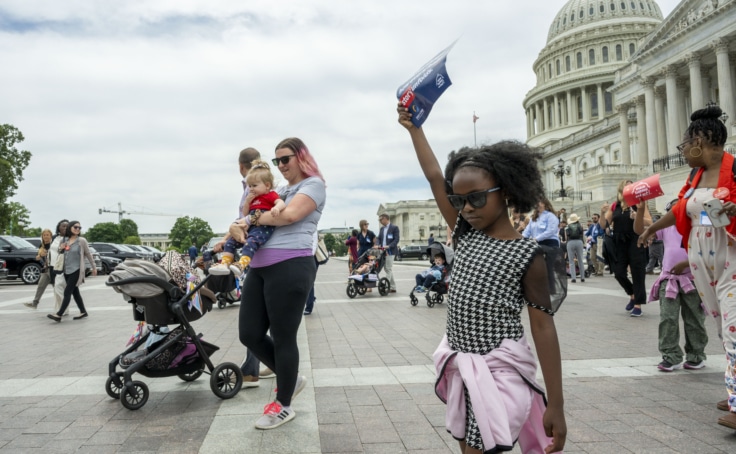
One of our biggest wins is the power you are building. You showed up, spoke out, and delivered real results. ZERO TO THREE’s network alone sent more than 40,000 emails and calls to Congress, including more than 3,000 messages during Strolling Thunder™ to protect vital programs.
These wins tell a powerful story: when you speak up, policymakers listen and babies benefit. Thank you for standing up for babies.
Here are ZERO TO THREE’s Top Ten Baby Wins of 2025:
1. Bipartisan Momentum on Child Care and Early Learning
Across the nation, leaders acted to expand child care and early learning opportunities.
New Mexico became the first state to guarantee no-cost child care for all families. Texas passed a historic $100 million increase for child care scholarships. Arizona’s bipartisan budget delivered the state’s largest early childhood investment in more than 15 years, nearly $50 million to expand child care assistance. Arkansas enacted a new law allowing licensed early educators receiving state or federal child care funds to join the Arkansas Teacher Retirement System, giving much of the workforce access to the same defined-benefit plan as K–12 teachers. Connecticut created a permanent Early Childhood Endowment to expand the state’s Early Start program, an investment expected to grow to over $1 billion within 3–5 years. And Montgomery, County, Maryland approved a $10 million package expanding Head Start and Early Head Start from birth to age five, created a $4 million facilities loan fund to expand infant/toddler care and launched a shared-resources collaborative to help small providers cut administrative costs.
2. Head Start & Early Head Start Matter
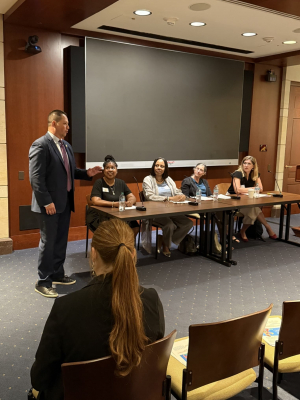
As the nation marked 60 years of Head Start and Early Head Start, programs serving more than 250,000 infants and toddlers, the federal shutdown underscored just how essential and fragile these services are. And, when nearly 10,000 children were forced out of Head Start classrooms, it became impossible to ignore that Head Start and Early Head Start are lifelines for babies and families during the most important years of brain development. The Congressional Bipartisan PreK and Child Care Caucus and the Head Start to Congress Caucus joined ZERO TO THREE for a special briefing highlighting the science behind Early Head Start, further building strong policymaker support for these programs.
3. The Worst Medicaid and SNAP Cuts Were Stopped
While the “One Big Beautiful Bill Act” made harmful changes to Medicaid and SNAP, advocates successfully defeated some of the most dangerous proposals, including efforts to cap federal funding per enrollee, that would have permanently weakened care for infants and young children. Preventing these cuts protected millions of babies and their families across the nation.
4. Investing in Healthy Pregnancies and Births and Whole-Child Health Care for Babies
Across the country, states strengthened Medicaid to better serve babies and parents.
Arkansas expanded coverage for doulas, lactation support, and community health workers. Arkansas Medicaid also implemented an increased rate for HealthySteps, a ZERO TO THREE program. Vermont, Oklahoma, New Jersey, Massachusetts, and others aligned health systems around integrated, baby-centered care.
Utah’s SB284 adds doula services to Medicaid, while Montana now licenses doulas and allows Medicaid billing—boosting care access in rural and tribal communities where maternal mortality is highest. Pennsylvania launched four regional maternal health coalitions with $3.6 million to target local drivers of poor outcomes, focusing on Black mothers and families affected by substance use. Massachusetts now offers free prenatal vitamins to Medicaid and Health Safety Net members, removing cost barriers to care. Colorado led the way by permanently embedding child health supports in both pediatric practices and child care settings. A new law (SB25-017) ensure families can access developmental screenings, behavioral health support, and guidance where they already are – at doctor’s offices and child care programs – during the crucial 0–3 years
5. Built for Babies and Infant and Early Childhood Mental Health (IECMH) Financing Policy Project States Strengthened Long-Term Systems
States advanced family-centered policies and systems that support families with children prenatal to three, with the support of ZERO TO THREE’s Built for Babies and IECMH Financing Policy Project (FPP) initiatives.
Arizona united 25 organizations around a shared infant–toddler agenda. Hawaii developed a DC:0-5 crosswalk and Medicaid memo strongly encouraging use of DC:0-5 to improve quality of mental health services for young children. Kansas helped to launch a new paid family and medical leave coalition and advanced strategies to meet the mental health needs of young children through Certified Community Behavioral Health Clinics. Mississippi rolled out a statewide prenatal-to-three messaging campaign. Montana formed a first-of-its-kind Tribal Early Childhood Coalition that centers Native leadership, language, and culture in statewide systems change. Tennessee secured statewide expansion of the Ready. Set. Grow! family peer-support program, embedded infant–early childhood mental health content into the state’s Certified Family Support Specialist training. FPP leaders in AL, FL, GA, NC, SC, and TN hosted the first regional Southeastern IECMH Summit to engage leaders in exploring policy and financing strategies.
6. Families Gained Economic Supports That Put Babies First
States embraced baby-focused policies to support families with infants and toddlers, recognizing that economic stability is critical to early development.
Michigan took the Rx Kids cash program statewide, investing $270 million to reach up to 100,000 infants annually. Washington, DC created the nation’s first local child tax credit offering families up to $1,000 per child under 18 beginning in 2026. Georgia enacted a new $250 child tax credit for every child under six and strengthened its child and dependent care tax credit by raising the state match from 30% to 50% of the federal credit. Oregon passed legislation delaying certain evictions for families with babies under 12 months and directing state housing agencies to prioritize households with infants in housing programs.
I’ve seen how even a few hundred dollars can shift the trajectory of a family’s life.
Dr. Mona Hanna, Director of RX Kids
7. Paid Family & Medical Leave Continued to Grow
States expanded paid time for prenatal care, recovery and bonding.
New York became the first state to guarantee paid leave for prenatal or pregnancy-related medical care, giving privately employed workers 20 extra hours on top of existing sick time. Colorado passed a “Neonatal Care Leave” law, offering up to 12 weeks of paid leave for parents of newborns in the NICU. Public employees are seeing gains too: Mississippi now provides six weeks of paid parental leave, Alabama eight weeks for mothers and two for fathers, and Indiana extended childbirth recovery leave, even for newer employees, via executive order.
8. Keeping Families Together
In Washington, policymakers passed SB 5149, expanding their Early Childhood Court Program to enroll families with children under the age of 6. In Tennessee, the legislature appropriated $6M for the next 3 years out of the Opioid Abatement Funds for Safe Baby Court support services, including mental health/substance use assessments; therapy; peer support; a nurse for families who are pregnant, have a child under 1, or with complex medical needs; and resource navigation. The state also appropriated an additional $600k in state general funds to add additional Safe Babies sites.
9. Expanding Parent Peer Support Programs
In Hawaii, HB 237 established and funded peer-to-peer support programs for families with children from birth to age 5. Lawmakers in West Virginia passed HB 2880 to add parent resource navigators as part of multidisciplinary treatment teams for child abuse and neglect cases. Georgia invested opioid abatement funds, $220,000 per year for two years, into Motherhood Beyond Bars, a peer support organization that ensures a healthy start for infants born to incarcerated women.
10. Congress Protects Key Baby and Family Health Programs
Despite a federal budget proposal that would have gutted maternal health, child welfare, WIC, infant mental health programs, and early learning, Congress pushed back. Both the House and Senate proposed budgets that preserved funding for critical baby-focused health programs, and even proposed increasing funding for a number of programs like the Infant-Toddler Court Program and supporting early childhood expertise in pediatric care settings, an important win in a tough budget year. We will continue to push policymakers to pass a funding bill that maintains these investments in the New Year.

Read More
Resource
What’s at Stake: Latest Updates on the Baby Agenda
Get an inside look at the latest updates from Capitol Hill as we work to protect and advance the "Baby Agenda."
Details
Article
Top 10 Wins for Babies in 2024
In 2024, babies won at both the federal and state levels thanks to the power of supporters raising their voices and families sharing their personal and powerful stories.
Details
