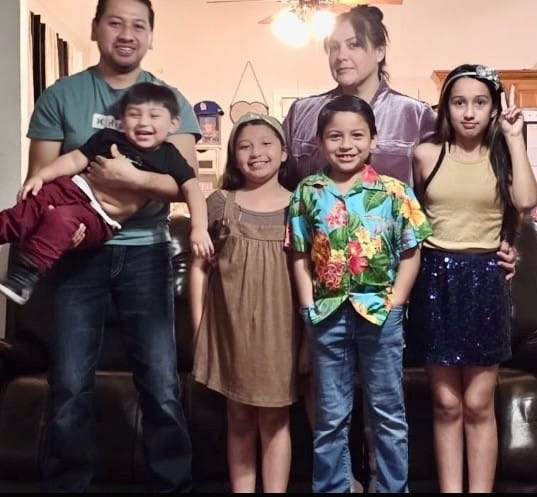
I noticed something different about my daughter Valeria when she was about 9 months old. She had repetitive behaviors that didn’t feel typical for her age. I told her pediatrician. Valeria was diagnosed at 2. She has autism, global developmental delay, ADHD, and developmental language disorder.
 When people hear that list, they expect a story about struggle—long waitlists, constant battles for services, a child falling behind.
That is not our story.
Valeria is 11 now. She is in fifth grade and doing better than many of her typically developing classmates. She is kind, calm, and growing into herself.
The difference is early intervention.
We were fortunate to live five minutes from the University of Kansas, which has strong research programs in infant and toddler development. Valeria was enrolled in Head Start. We participated in research studies. We had access to speech therapy, occupational therapy, and developmental specialists—support during the years that matter most.
That access changed everything.
I started asking myself why our experience was so different from what I heard from other families. Why were we doing well when others were stuck on waitlists or struggling to get a diagnosis?
The answer was access.
We had it. Many families don’t.
I began to notice how many resources were not available in Spanish. Families who speak Spanish at home often don’t receive information in a way they can use. Programs exist, but families don’t know about them or can’t access them in time. That gap matters.
So, I enrolled in a certificate program in leadership and education for neurodevelopmental and related disabilities at the University of Kansas. I am a family trainee in a program that brings together parents and professionals across disciplines.
My focus is on bilingual access to early intervention.
I have participated in discussions about how these programs are funded and described. I have raised my hand to say: this work is not abstract. It determines whether a child builds independence or needs lifelong support.
I have eight children. Five are still at home. Each one has faced challenges—dyslexia, ADHD, speech delays, learning differences.
And because of early intervention, every one of them is thriving.
I want every family to have what we have had.