
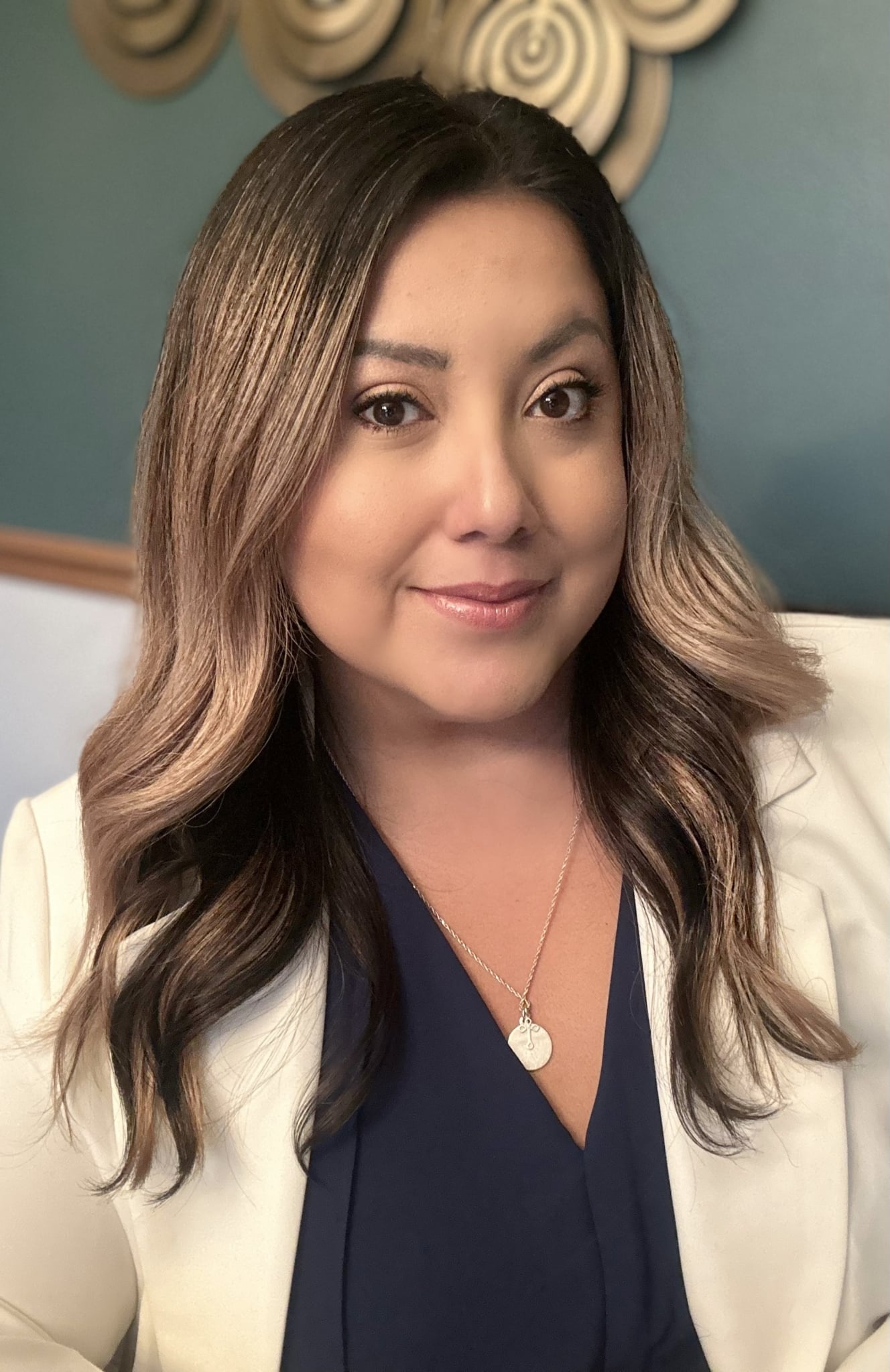
 My career as a prosecutor has had two eras. One before Safe Babies — and one after.
I’ve spent years as an Assistant County Attorney in Polk County, Iowa, handling a high-volume caseload of child welfare cases. The youngest and most vulnerable members of our community — babies, toddlers, children who can’t yet understand what’s being decided about their lives — are at the center of my work every day.
In my early years, the work felt sharp-edged. I saw families distilled into affidavits, reports, and exhibits. I learned to read patterns, anticipate risk, and argue decisively. The thinking the adversarial system trained in me was clean and binary: right and wrong, us versus them. Protect the child, prove the case, move on. I thought I was doing justice. And in a lot of ways, I was.
The lens shifted
But quietly, something began to shift when I was assigned to a new docket. It didn’t come from a new law or a case citation. It came from Safe Babies.
The law didn’t change. The lens did. I started seeing what I hadn’t been trained to see as a lawyer — the “why” beneath the behavior.
The nervous system behind the noncompliance. A parent’s missed visit was no longer just a violation to document. It might be fear. It might be a lifetime of instability that made even small steps feel impossible. A flat affect wasn’t indifference — it could be survival. Resistance wasn’t always defiance; sometimes it was the only form of protection someone had ever known.
What Safe Babies changed
None of that excused harm. But it explained it. And explanation changes how you practice.
I’m still a prosecutor. I still stand in court and advocate for safety, permanency, and for decisions that can change a child’s life. I still draw clear lines, name the risk, and ask the court to act when it needs to. But I’m more interested in what my role is building for families than I am in winning the moment.
Once you understand that early experiences shape a child — and that a caregiver’s own history echoes into the present — you can’t unsee it. You can’t go back to practicing as if the story starts at removal or ends at a hearing.
Holding accountability and hope
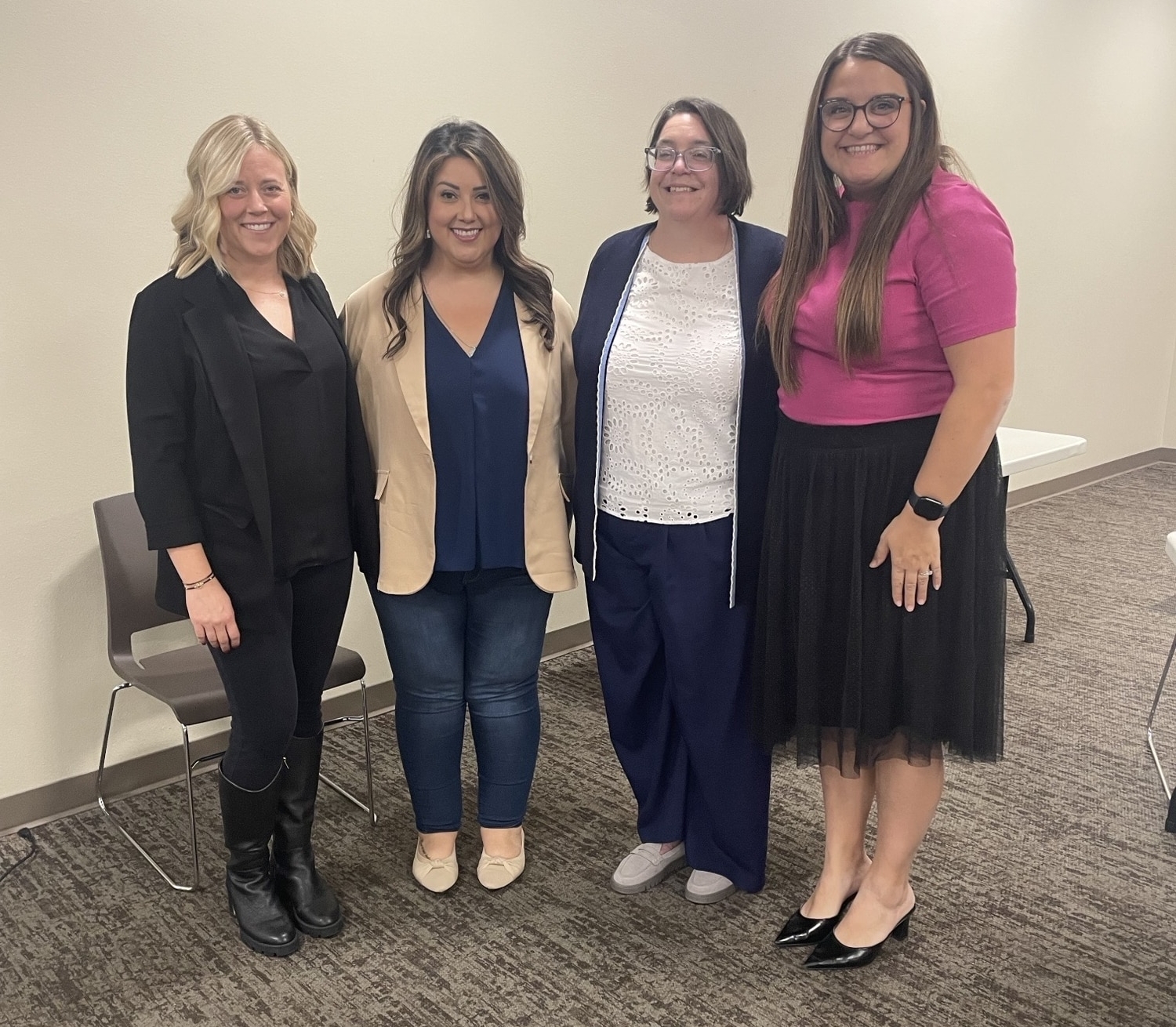 That takes more, not less. It means holding urgency alongside patience. Skepticism alongside compassion. Accountability alongside hope. It means accepting that sometimes a different outcome — one I might not have once considered — is actually the right one.
Safe Babies taught me that what we do in response to early harm matters just as much as the harm itself. Babies don’t respond to legal arguments. They respond to what we build around them: the relationships we support, the stability we create, the care we prioritize.
In my first era, I learned to do my job. In this one, I learned what it means to do it well.