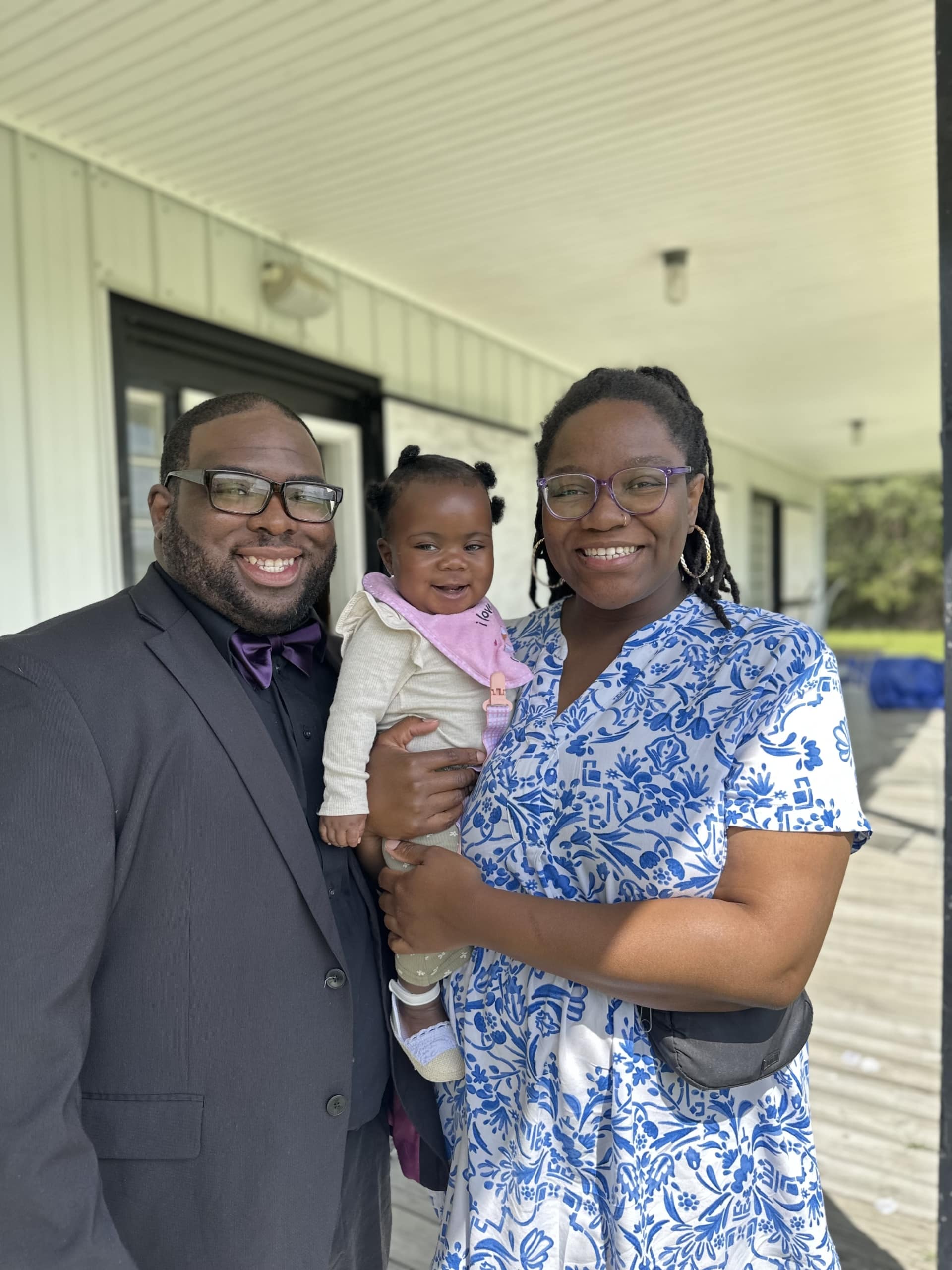
I’m a program supervisor for a statewide in-home early education program in West Virginia. My team works with families—modeling healthy parent-child interactions, connecting them to services, and helping them navigate systems. I have sat in on court cases and doctors’ appointments with the families I serve.
 I know what support looks like when it shows up.
I also know what it looks like when it doesn’t—because I’ve lived it.
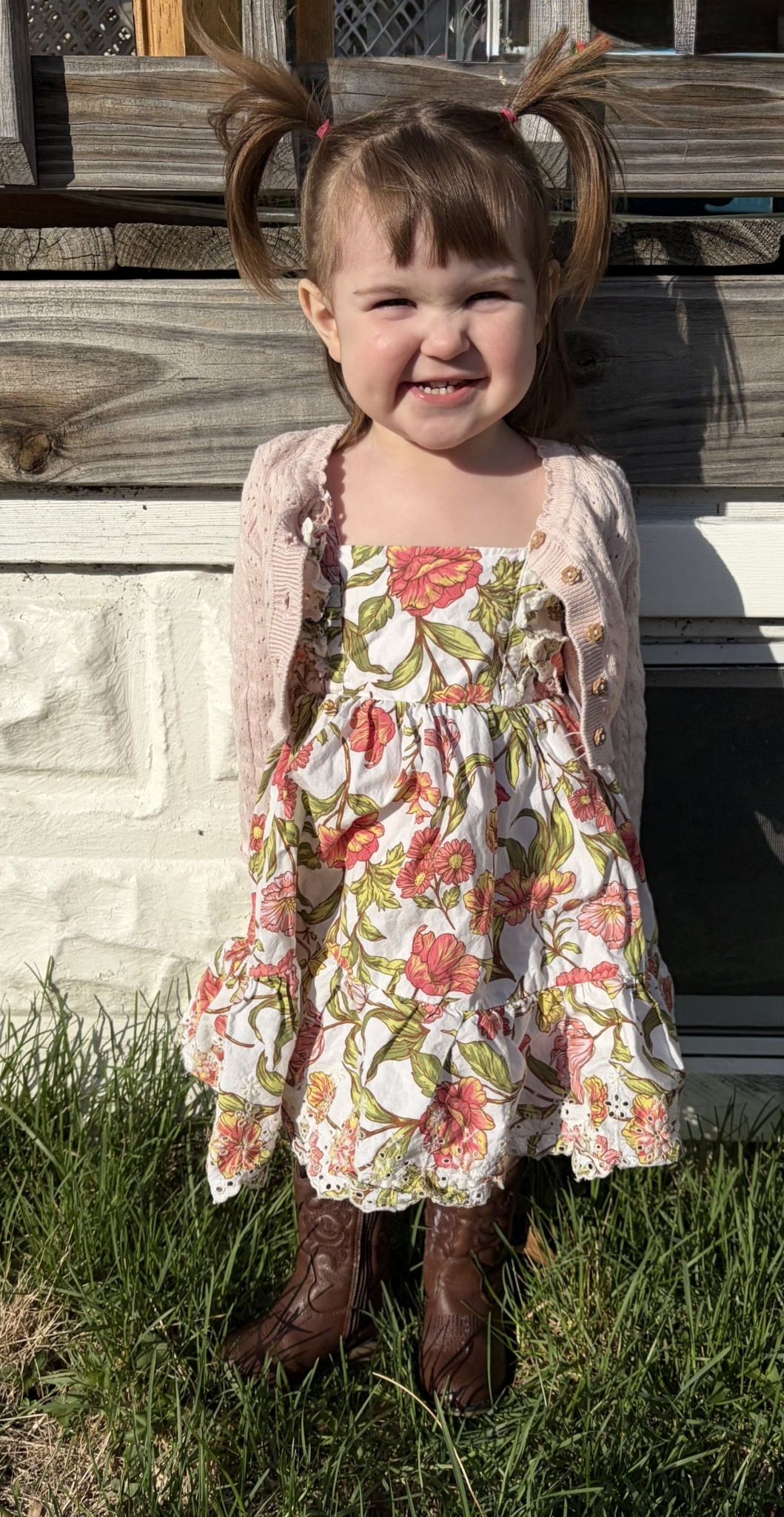
My husband Sam stays home with our 2-year-old daughter, Ella, and helps care for our 5-year-old son, Ezekiel, and my 12-year-old sister, Maci, who has been in our custody for about a year and a half.
When Ella was born, my husband’s mental health took a serious turn. He was later diagnosed with bipolar disorder and panic disorder. During that time, we had to fight to get and keep Medicaid. Repeated clerical errors at our Department of Health and Human Resources frustrated our efforts. At one point, I had to go in person four times in two weeks because something was entered or removed incorrectly each time.
At the same time, Maci is diabetic, and we were trying to make sure her insulin would be covered. Those weeks, not knowing if her coverage would hold, were frightening.
We got it sorted. But it took a lot.
Even now, after we pay our bills, we’re left with about $300 from a paycheck. SNAP—the Supplemental Nutrition Assistance Program, which helps families afford groceries—fills in the gap. It helps us cover the food Macy needs to manage her diabetes and meals for a growing toddler who seems to eat everything in sight.
Medicaid is what allowed my husband to access therapy and medication. That treatment is what makes it possible for him to care for our children and my sister every day.
Ezekiel thrived in Head Start. Ella will, too, when she’s old enough.
These programs are not extras. They are what make it possible for me to go to work, for my husband to be healthy and present, and for our children to grow up in a safe and stable home.
When I hear about cuts to programs like Head Start, SNAP or Medicaid, I’m not thinking in the abstract.
I’m thinking about us.
Baby Ella and her family share their story as part of Strolling Thunder 2026 where families from across the country meet with policymakers to talk about what programs families need to thrive.