
A Senior Attorney Reflects On What It Means To Support Parents With Dignity, Real Options And The Ability To Make Informed Decisions For Their Children
I grew up in communities where if a mother was struggling with substance use disorder, someone — a neighbor, a relative, a friend — made sure her kids ate, got to school, had what they needed. Nobody called a government agency. That’s just how it worked.
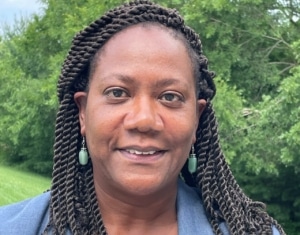 I didn’t know there was such a thing as child protective services (CPS) until I went to law school and started working in child welfare. And when I did, I realized very quickly that the system wasn’t built around that same instinct — the instinct to hold a family together, to help instead of investigate.
My name is Beverly, and I’m a senior attorney with the American Bar Association’s Center on Children and the Law, and I’ve been in this work for almost 30 years. I started representing children in foster care in Maryland, then moved to the public defender’s office, where I spent most of my career representing parents. Four years ago, I joined the ABA with a desire to improve how parents are represented in child welfare matters.
In Safe Babies, I’ve seen what it looks like when we return to that instinct of assistance, when systems come together to support families earlier, center relationships, and make sure parents have the support and information they need to make decisions for their children.
It’s not just legal advocacy. It’s coordination across courts, child welfare agencies, and community partners, all working to keep families together whenever it’s safely possible.
The Moment That Stayed With Me
The story I keep coming back to is a client I had years ago. We were preparing for a termination of parental rights hearing, a TPR. I knew how it would go. I told her straight up: I know this jurisdiction, I know the odds, and we’re probably going to lose at the trial level, but we have better odds at the appellate level to change the trajectory of the case. We prepared for months. Her witnesses, documentation of changed circumstances, completion of court-ordered services, her everything. We were ready.
The morning of the hearing, she walked into the courtroom toward me, and I could see it on her face before she said a word. She was reaching out to comfort me because she had come to tell me it was done. She was going to consent to the termination with agreements for post-adoption contact. Consent was the only way to guarantee continued contact with her children. She later told me on that day she made an informed decision based on the strong possibility of losing the case and possibly not seeing her children again
I pushed back – we’re ready to fight. She looked at me and said: It’s my choice. You gave me back the ability to be their mom and make a decision that I think is best at this time.
And that was it. That was the job.
Real Options, Real Support, Dignity Intact
What I try to encourage parents’ attorneys is that our role isn’t about what we want for our clients. It’s about putting them back in the position they were in before everything fell apart — as a parent, making decisions about their own children.
That’s what Safe Babies looks like in practice — creating the conditions where parents have real options, real support, and the ability to make informed decisions about their children with dignity.
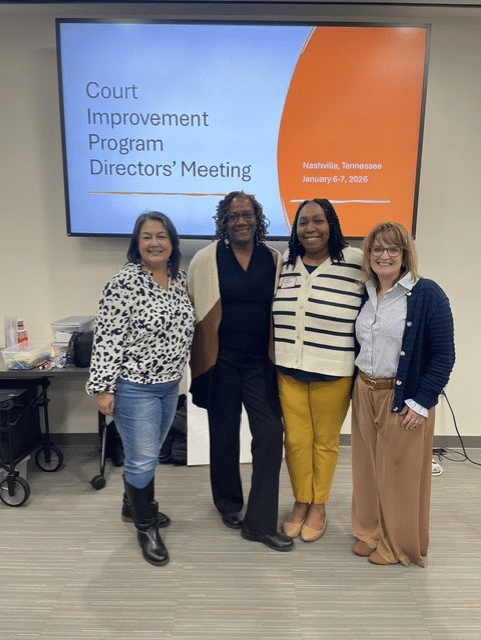 She’s now a colleague. A parent leader. I’ve been in the audience when she spoke about our time together. She got emotional recalling that difficult time, and I did what I always do. I walked from the audience to stand by her during the tough time. Not because I planned to, but because that is what I always did – stand with her.
The Impact Doesn’t End With One Case
When families are supported this way, the impact doesn’t end with one case. It changes trajectories — parents become leaders, experiences become expertise, and systems begin to reflect the people they serve.
I’m someone who stands next to parents when they’re doing the hard stuff. That’s it. That’s the whole job.