I am a developmental therapist. I help families in Will County get early intervention services for their children, and support parents through some of the hardest moments of raising a child.
 I believe deeply in this work.
I also rely on the same systems I help families navigate.
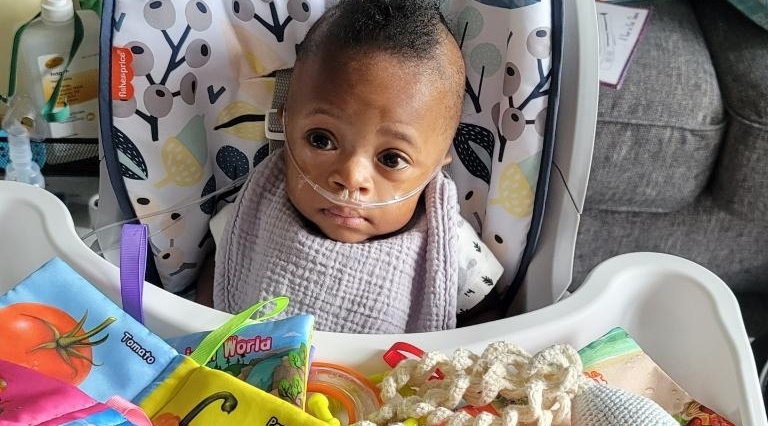
My youngest daughter, Calypso, is 18 months old. She was born with hydrocephalus, which means there was extra fluid in her brain. Doctors placed a shunt at birth—a small tube that drains the fluid and relieves pressure. She spent time in the neonatal intensive care unit (NICU). During that time, I drove 50 miles to the hospital in Chicago and 50 miles back every single day, while also caring for her two brothers.
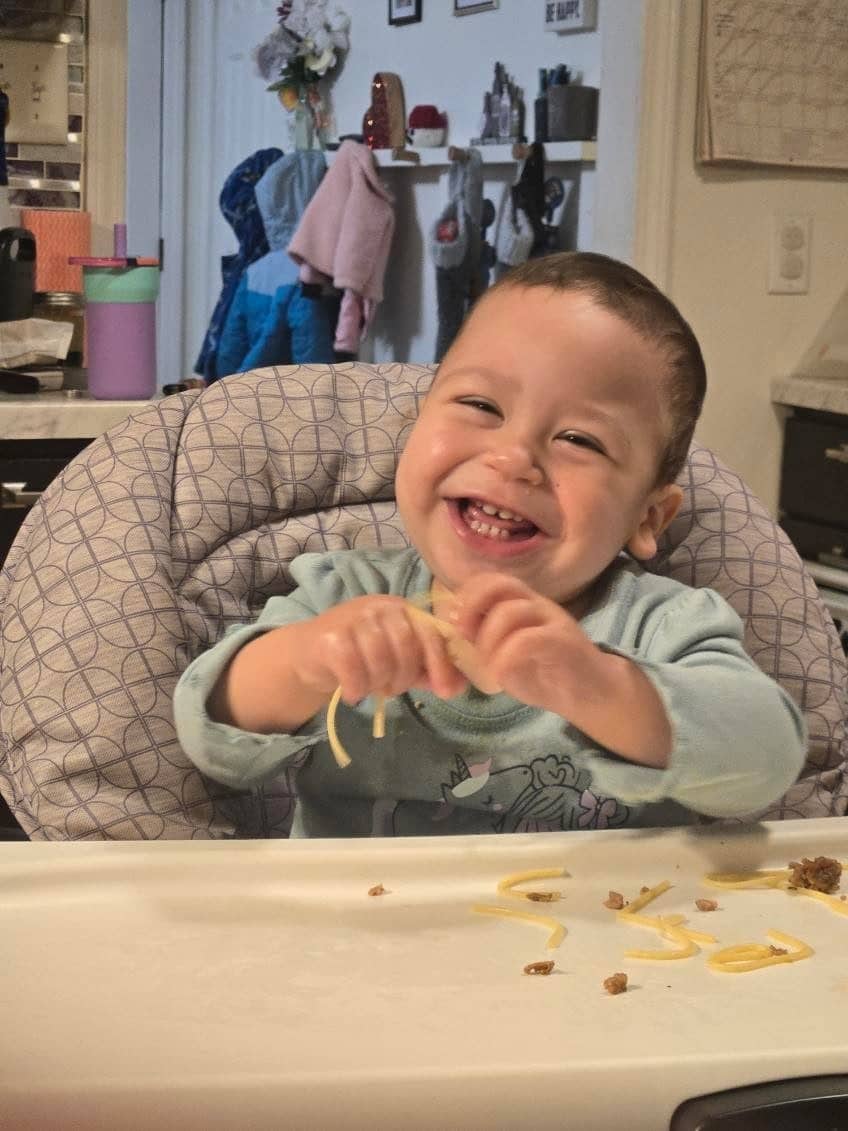
Today, Calypso is walking, talking, and thriving. Early intervention made that possible.
We rely on Medicaid, which provides health coverage for low-income families; WIC, the Special Supplemental Nutrition Program for Women, Infants, and Children, which helps with food and nutrition; and SNAP, the Supplemental Nutrition Assistance Program, which helps families afford groceries. We also turn to food banks and support from our local school district.
I know these systems inside and out. I help other families use them every day. I serve on a parent board. I am doing everything I can.
And it is still not enough.
I know what these services can do when they’re available—and what happens when they’re not.
And yet, in my own home, I am skipping meals so my children have enough to eat.
The families I work with are facing the same challenges.
We are doing everything we can to give our children a strong start. What we need is for policy to catch up—to invest in these early years, not pull back from them. Because this is the window that shapes everything that comes next.