
When families have access to support systems and their basic needs are met, they and their children can thrive.
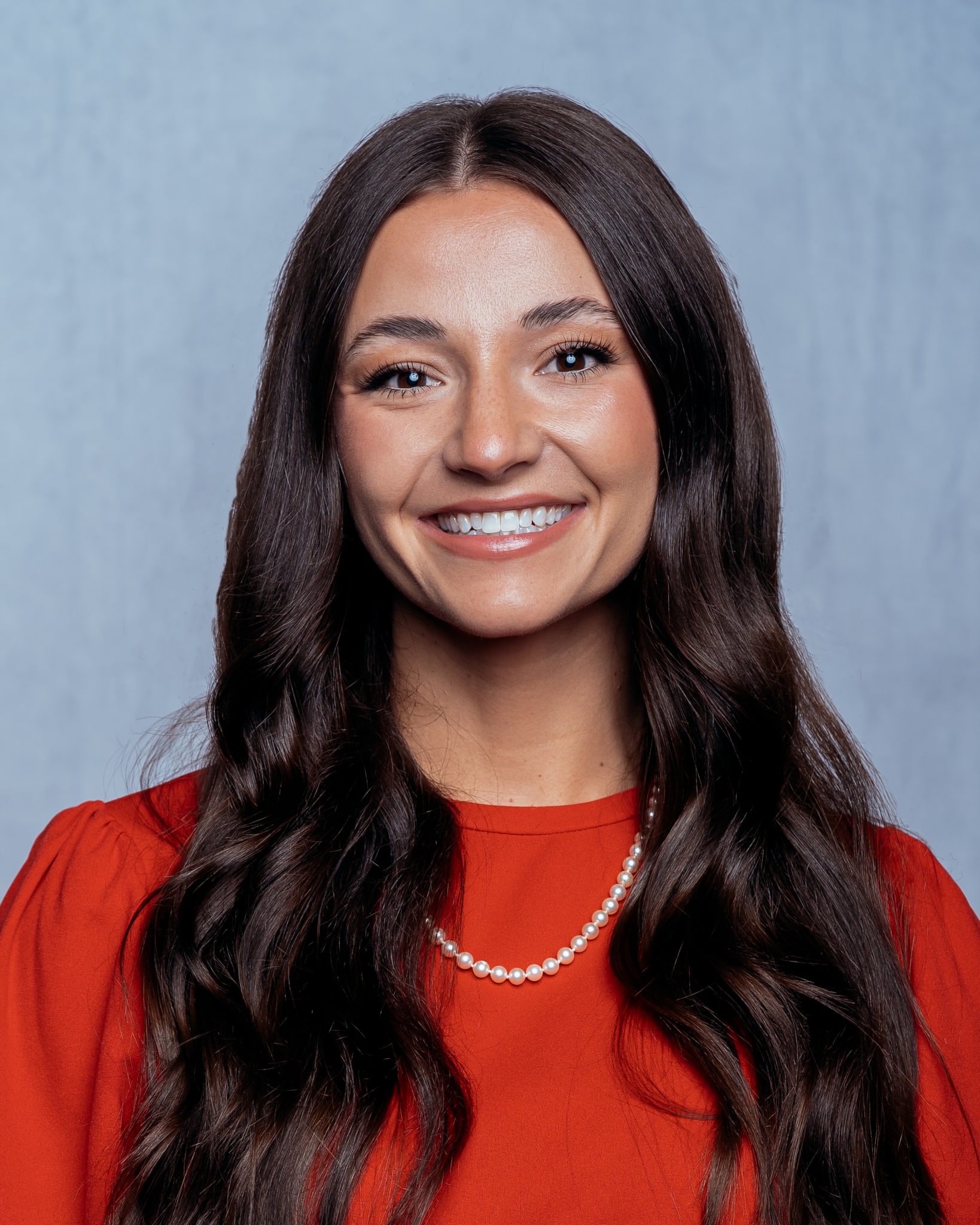 My name is Camille, and I’m a Senior Training and Technical Assistance Specialist with Safe Babies.
What inspires me most are the stories families tell. When they have access to support systems and their basic needs are met, they and their children can thrive.
We already know how best to support babies within our communities. If we can shift decision-making power, and ultimately, money back to communities, they can best support the families within them.
That starts with listening. Families are experts on their own lives, their own children. When we hear a family’s story and treat them as experts, we can build prevention systems that better support them.
Why Now
The time to invest in prevention was yesterday. So, it is only more urgent now.
Anyone who has a young child in their life has witnessed that child’s rapid growth and development. They’re learning something new every day. Every single second and every single day matters.
We’re hearing from families that their needs aren’t being met — that our systems haven’t been built to support them. We must respond.
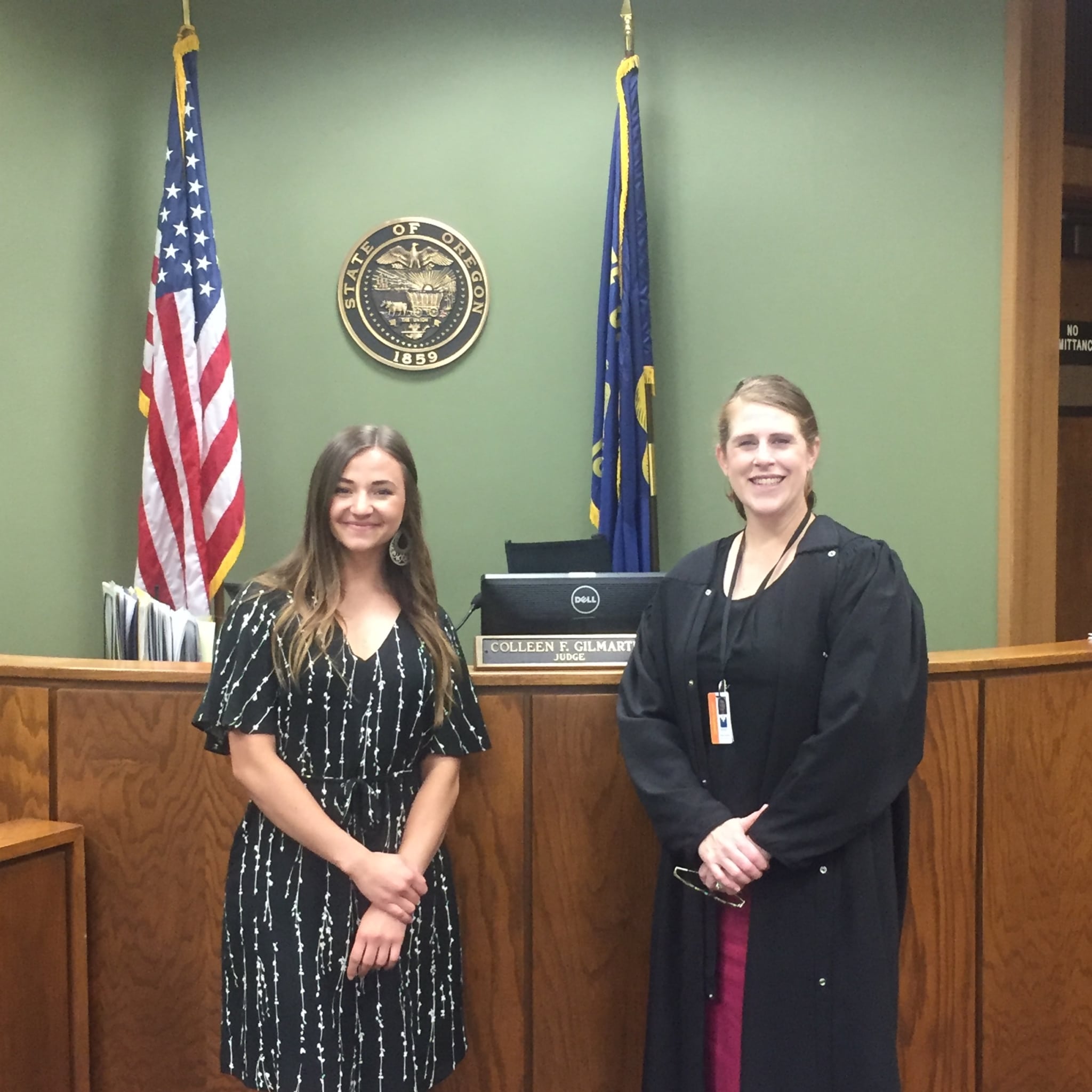
Judicial Leadership
We often say that when judges send an invite, people show up to the table.
Child welfare and court systems are ones in which power and positionality matter, and judges hold power and position within. So, when judges care about infants and toddlers, people will show up for them.
When judges care about infants and toddlers, people will show up for them.
I’ve seen judges attend a Safe Babies training and learn about the neural connections formed in babies’ earliest years—and their practice shifts immediately. We witness that shift the very next day on the bench.
They’re asking about developmental milestones. They might be ordering more frequent family time. They’re witnessing parents engaging with their baby because they have opened their courtrooms to children.
And that often shifts the entire culture of the courtroom. Other people in the system do something different because they’ve seen the judge center babies and their families in their own practice.
A More Healing Courtroom
One of the most powerful ways judges can make their courtrooms more family-centered is by fostering a compassionate environment. An environment that is holistic. Collaborative.
When they treat parents like experts on their own children. When they celebrate with parents, ask them questions and engage with them directly. When they encourage the professionals in the room to be non-adversarial. When they make sure everyone is showing up to support the whole person and whole family in front of them, which means providing for basic needs, helping the family build social supports, and meaningfully addressing barriers together with the family.
That’s where we see a courtroom that can be healing, rather than the courtrooms we’ve seen historically that have been so harmful to families.
Judges also have a unique perspective. From the bench, they can literally see what’s going on in their community and what resources aren’t available to families. They can leverage what they’re learning from families in their courtroom to champion for families off the bench. The judges who know better do better, just like all of us.
Laboratories For Change
The biggest barrier to aligning systems to better support families is when we default to continuing to do what we’ve always done.
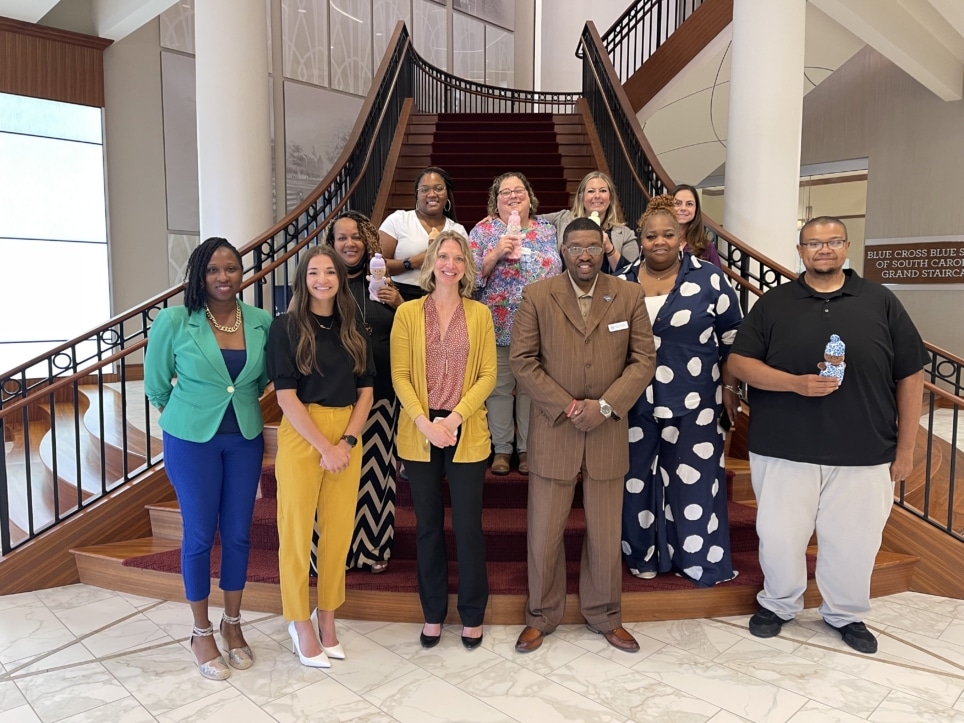
Safe Babies teams are laboratories for change. There’s an opportunity to do something different.
One of my favorite ways to talk about Safe Babies teams are as laboratories for change. There’s an opportunity to do something different. To listen to families about what meets their needs and what is harmful to them. To make small changes in the way we do our work.
If we continue to do what we’ve always done, then we will see the results we’ve always seen.
Our systems are change-averse, so it takes bravery. Families have been brave in telling us what isn’t working. This change requires bravery from us, bravery to be willing to change the way we listen and respond to families, shift the way we do our work, and to make mistakes sometimes.
By sharing their expertise, families are giving us a gift. We must be willing to listen, dive in and change the way we do our work.