
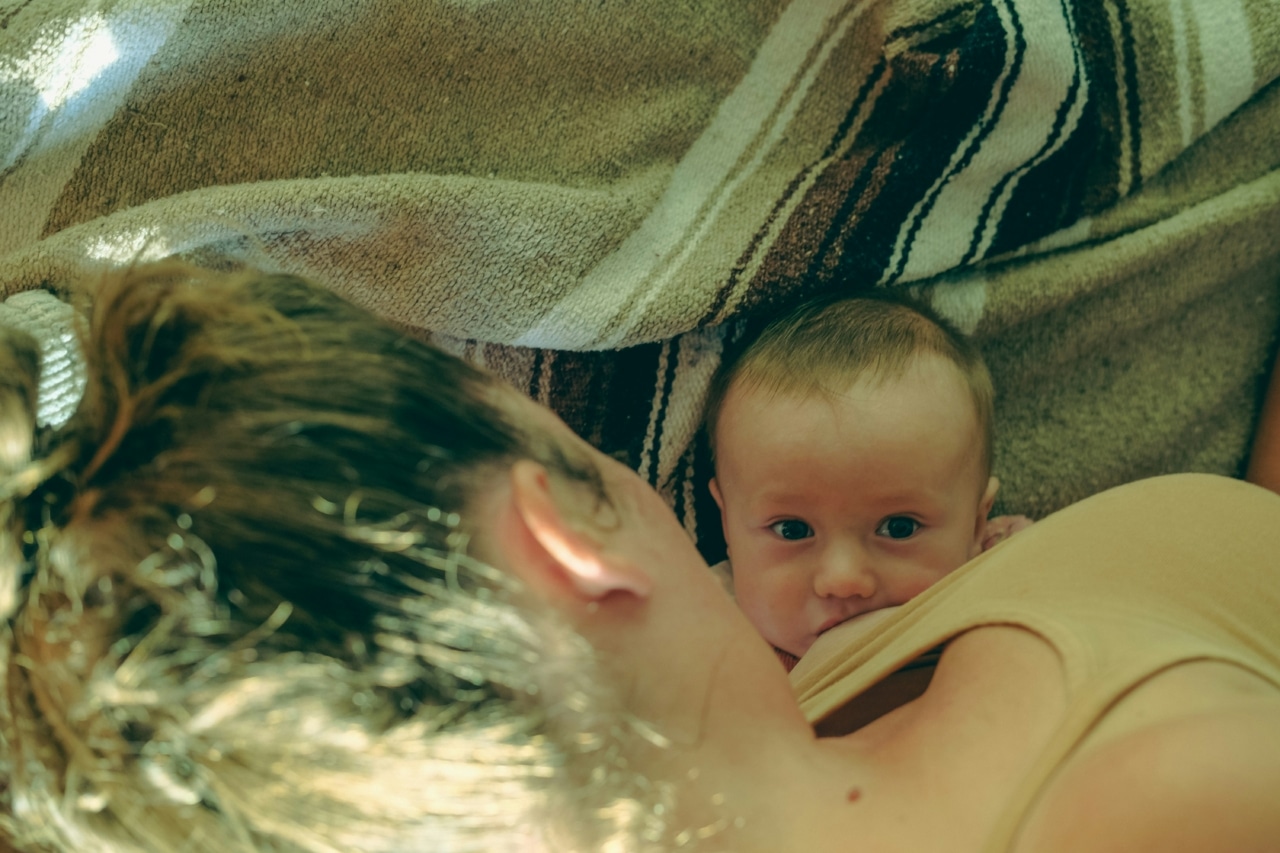
Imagine a parent lying awake at night worrying about how to pay the rent or put food on the table. The baby or toddler in the next room doesn’t understand bills, jobs, or housing costs. But they can feel the tension in their caregiver’s voice, body and daily routines.
Babies experience the world through the adults who care for them. When parents are under constant stress trying to meet basic needs, babies can absorb that stress too.
1. Babies Feel Stress Even If They Don’t Understand It
The first three years of life are a critical time for brain development. During this period, babies’ brains are building the foundations that shape learning, behavior and health for the rest of their lives.
All of the things… that babies experience early on are at risk of affecting them across their lifespan.
We often think of trauma as one big, scary event—and sometimes it is. But trauma can also develop through ongoing stress that slowly erodes a family’s sense of safety. When families face ongoing stress and don’t have enough support, babies can experience trauma or toxic stress. Over time, toxic stress can affect brain development and increase the risk of long-term health challenges, including heart disease, mental health problems and learning difficulties.
2. Stress Shows Up in Babies’ Behavior
Babies don’t have words to tell us when something feels wrong. Instead, they communicate through behavior.
A baby who is experiencing stress might:
- Cry more than usual
- Have trouble sleeping
- Become extra clingy
- Have more tantrums as a toddler
- Lose skills they recently learned
These behaviors aren’t “bad behavior.” They are often signals that a child needs comfort, stability, and support.
3. Supporting Families Protects Babies
The most powerful buffer for babies is a stable, nurturing relationship with a caregiver—but caregivers need support too.
“Resilience isn’t like some magic dust that gets sprinkled on you. It is a byproduct of safe and loving environments and safe and loving relationships.”
Policies and programs that help families meet basic needs can reduce stress and protect babies’ healthy development. These include paid family leave, quality and affordable child care, nutrition programs like WIC and SNAP, stable housing supports and infant and early childhood mental health services.
When we help families meet their basic needs, we are not just helping parents today; we are protecting babies’ long-term health and development for years to come.