
We assumed finding child care would be challenging, but we did not expect it to be nearly impossible.
Mariah, West Virginia
We Built the Care Our Community Needed

High-quality child care was unavailable in our community. When we were expecting our second child, we had to face a hard truth. We either needed to relocate somewhere with child care options, or I would have to leave the workforce entirely. Leaving my job also meant losing our health insurance. This was at the beginning of the COVID pandemic, when uncertainty was already high.
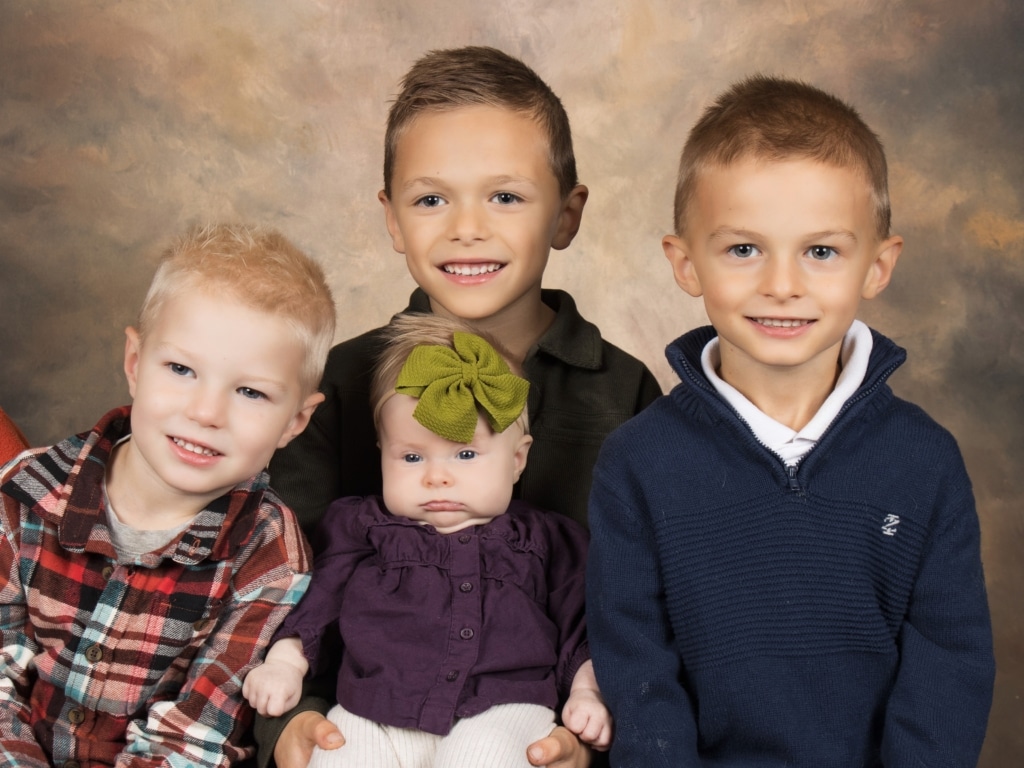
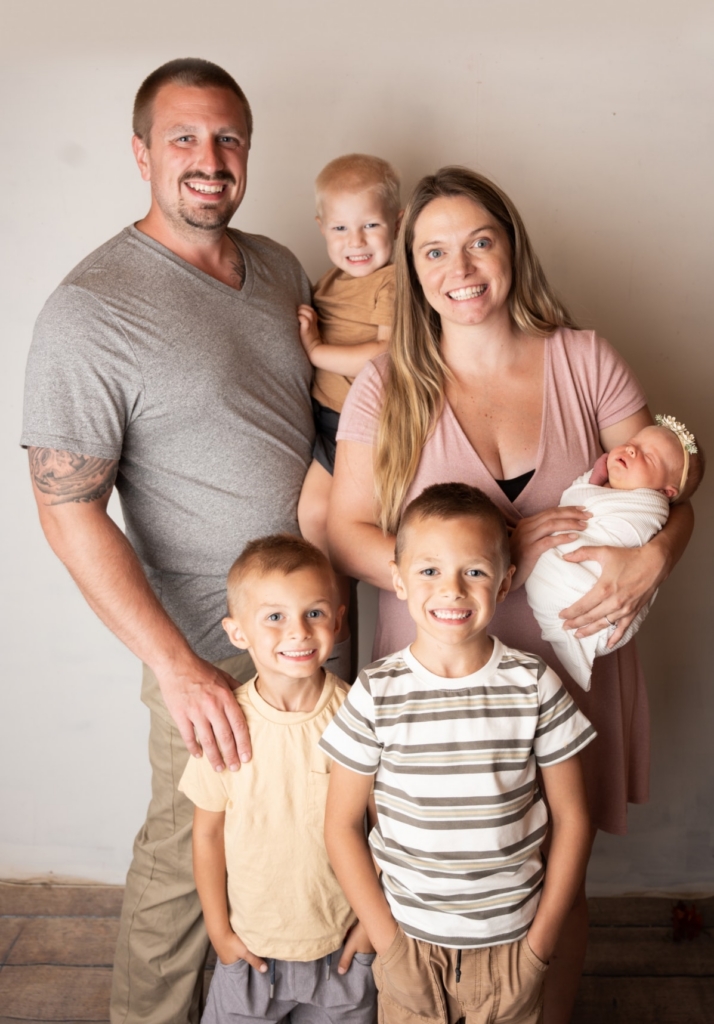
We either had to relocate or I had to leave the workforce. Opening a child care center was the only way forward for our family.
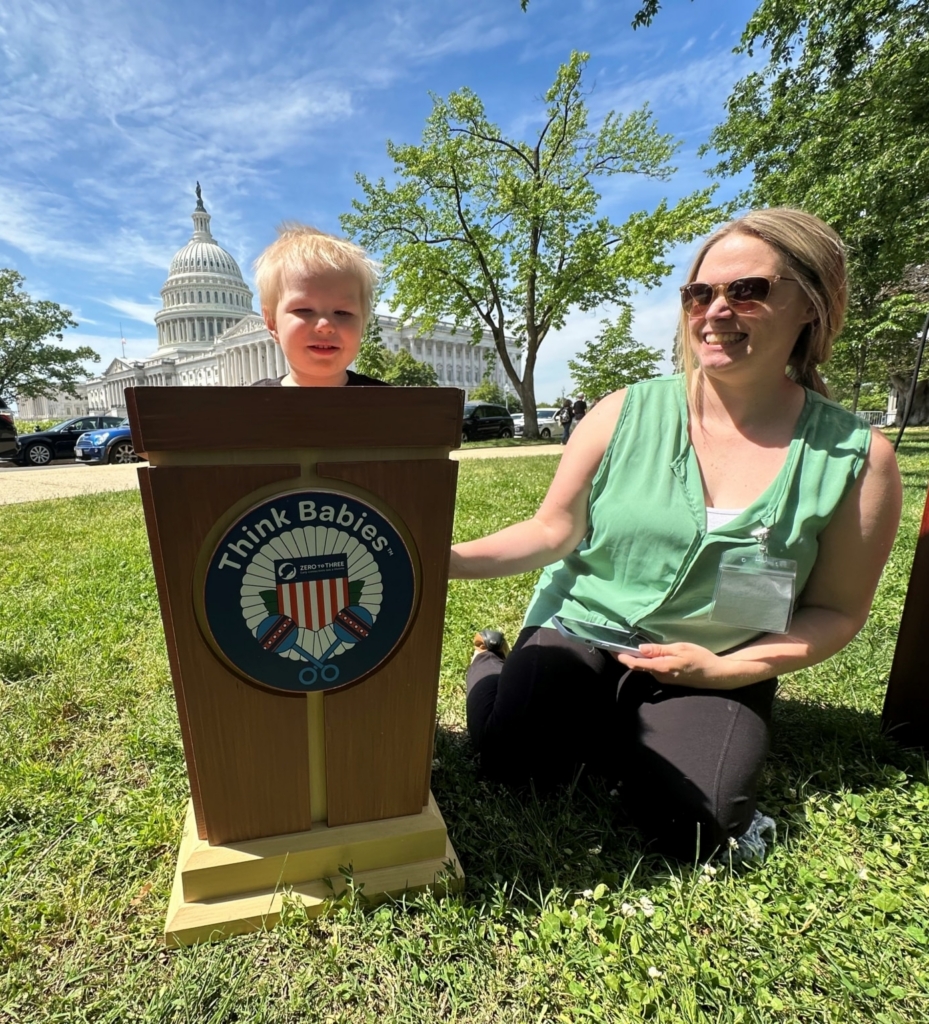
Taking a Leap for Our Family and Our Community
I left my job and opened a child care center in November 2020, just four weeks after my second child was born. It was not something I had planned to do, and it came with real risk. But it was the only way we could ensure our children, and others in our community, had access to care.
A year later, our center became a Tier 2 quality-rated program. My husband left his 70-hour-a-week job to join me and teach pre-K. Today, our center serves families across our area, offering high-quality care and creating new child care slots where none existed before.
This decision changed our lives, but it also showed me just how broken the system is.
I am constantly balancing work, caregiving, and early learning, and it affects everyone in our family. My older children feel it too.

Seeing the Crisis From Both Sides
As a child care owner, I see daily how the lack of investment affects families and providers alike. Staffing classrooms is a constant struggle. Paying educators what they deserve feels nearly impossible, even though they carry enormous responsibility and are required to meet high standards.
As a parent, I know how hard it is to find care you trust. Even with college degrees and steady jobs, families like mine could not afford to send three children to child care without sacrificing basic needs.
I see this firsthand with the families we serve. One family of five relocated to our area for military employment and pays $600 a week to enroll their three children in care. That cost is unsustainable, yet without child care, parents cannot work and communities cannot function.
This experience has made one thing clear. Child care is essential infrastructure. It supports babies, families, educators, and entire communities.
Believing in babies means supporting the systems that allow families to work and children to thrive. It means stabilizing child care programs so they can pay educators fairly, keep classrooms open, and expand access to quality care.
Other Stories

I Never Thought It Would Be Me
Read the Story
The Space Between Concern and Qualification
Read the Story
We Know What Families Need, But Policies Still Fall Short
Read the Story
Helping Every Keiki Shine
Read the Story
From Grief to Growth
Read the Story
Where Care Extends Beyond the Checkup
Read the Story
Breathing Again: How Child Care Helped My Family Move Forward
Read the Story
Raising Mason, Raising My Voice
Read the Story
Teaching Safety Before Fear
Read the Story
Time to Heal Is Time to Thrive
Read the Story
A Journey I Never Expected to Walk Alone
Read the Story
Policy Should Support Families Building a Future
Read the Story