
Generation AI: Experts Examine AI’s Impact on Children and Families
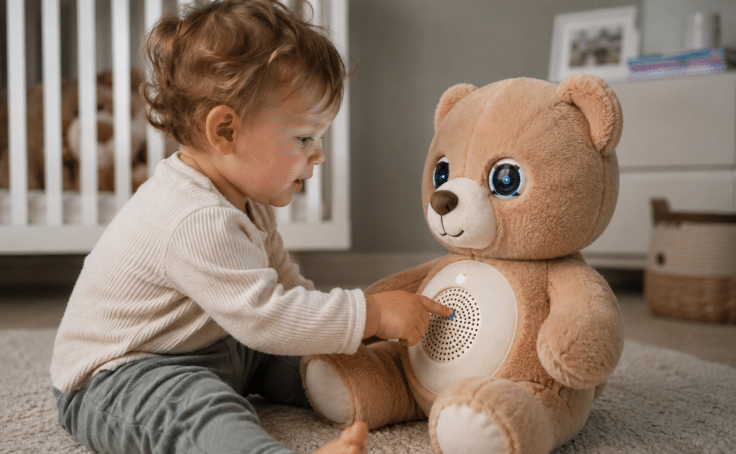
The first three years of life are the most consequential window in human development, and today, that window is unfolding alongside AI. We must keep babies and toddlers at the center of the conversation.
That’s why we’ve joined the Center for Universal Education at Brookings to help answer a defining question: How do we make sure these tools help — not harm — early development?
The Generation AI Starts Early series brings together leading experts in early childhood development and related fields to explore how AI is becoming part of children’s everyday lives and what it could mean for their development and future.
Generation AI Starts Early Symposium
September 9, 2026
AI is not going away, and the decisions made now will shape an entire generation. How will we prepare for it?
Join us for a symposium that brings together researchers, technology leaders, policymakers, practitioners and other key stakeholders to explore how AI can support healthy early childhood development while addressing the risks these technologies pose for young children and their families.
AI in the Nursery
May 18, 2026
A panel discussion on the growing presence of AI in the lives of babies, toddlers and their caregivers means for early development.
Five Key Takeaways
For babies and toddlers, relationships drive development. The first three years are a critical period of brain development, shaped by responsive interactions with caregivers. AI may imitate responsiveness, but it cannot provide the empathy and connection young children need.
AI can replace experiences children need to grow. Child-facing AI may displace caregiver interaction, play, co-regulation, and everyday challenges that help children develop emotional, social, and problem-solving skills. There are also concerns about low-quality content, privacy, and safety.
AI shows more promise when it supports adults. Caregiver-facing tools can offer personalized guidance, help educators plan, and reduce administrative burdens, creating more opportunities for meaningful human interaction.
Child well-being should be the measure of success. AI should be evaluated based on child development, caregiver connection, access, and family well-being, rather than downloads, screen time, or engagement. Families and early childhood experts should also help shape these tools.
The key question is whether AI adds to or replaces relationships. Does technology help caregivers and educators be more present, or does it substitute for their presence? The goal should be technology that strengthens the human relationships at the heart of early development.