

Beyond Drop-Off and Pick-Up: Building Real Family Partnerships

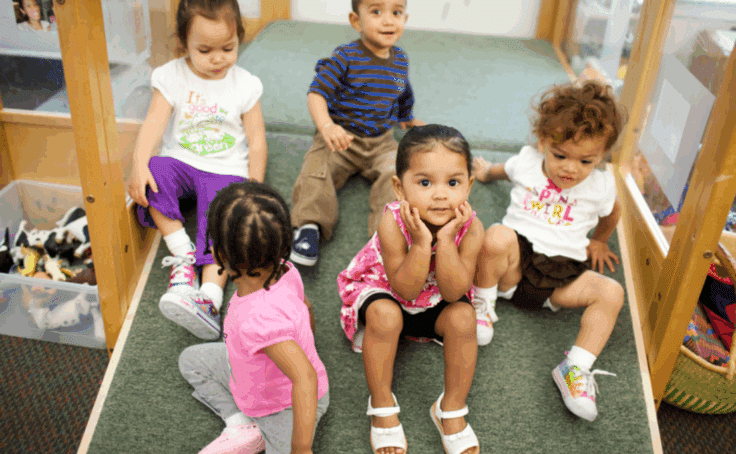


Nancy’s mom was excited about our open house. Their family was on vacation, but she told me they were coming back because she really wanted to attend. She wanted to see the classroom where her daughter would spend her days and meet the teachers who would be caring for her.
They made their plans around the open house, but the weather had its own plans.
That afternoon, we were under a tornado warning and had to shelter in place, so our open house was canceled. Later, Nancy’s mom emailed me and asked if there was any way they could come in before school started so Nancy could see the classroom and meet us before her first day. Since we couldn’t make that happen right away, I sent her pictures of the classroom so she could show Nancy where she would be coming to school.
For me, that was the beginning of our relationship with this family, even before Nancy had her first day with us.
Families are not just dropping off a child and a backpack. They are trusting us with someone who means everything to them. That connection can start before the first drop-off.
NAEYC describes family–teacher partnership as an “ongoing reciprocal relationship,” where families and teachers both have information to share about the child (Nemeth et al., n.d.). I see that reciprocal relationship in the small conversations and moments we have with families every day. They share what they know about their child, we share what we are seeing at school, and together we start to know the child better.
Open the Door for Families
Open house is one way we open our classroom door to families, but it should not be the only time we connect. Sometimes we do something as simple as Pop in for Popsicles, where families meet us at the park. There is no classroom agenda. We are just outside together, talking and getting to know one another.
Parent-teacher conferences give us a different kind of time together. We can sit down, share the child’s progress, talk about what we are seeing at school, and hear what families are seeing at home. Then there are the everyday moments at drop-off and pick-up. Some mornings a parent is rushing to work or joining a meeting and only has time for a quick goodbye. Other mornings, there is a little more time.
When there is time, I invite parents to come in and read a book with their child before saying goodbye. They might sit together for just a few minutes, but something else often happens during that time. Parents begin to recognize their child’s classmates. They talk with other parents. Children get excited to show their family a friend they have been talking about.
Sometimes those relationships continue outside our classroom. A child starts asking to play with a friend from school, and a parent asks if they can connect with the other family. With permission from both families, we can help them exchange contact information. Then I hear about a playdate or see children going to one another’s birthday parties. The relationships that began inside our classroom start growing outside of it too.
For some children, that little extra time at drop-off can also make saying goodbye easier. I remember a little girl who had a very hard time separating in the morning. I started holding her hand and walking into the classroom with her. We did the same thing each morning.
In the beginning, it was still hard. But after a while, when she arrived, she started looking for me. She would reach for my hand, and we would walk in together.
What started because saying goodbye was hard became our little morning routine.
Opening the door also means giving families different ways to connect. Not every family has the same schedule or can participate in the same way. Someone might come in as a mystery reader, share a hobby or recipe, or offer something they enjoy doing.
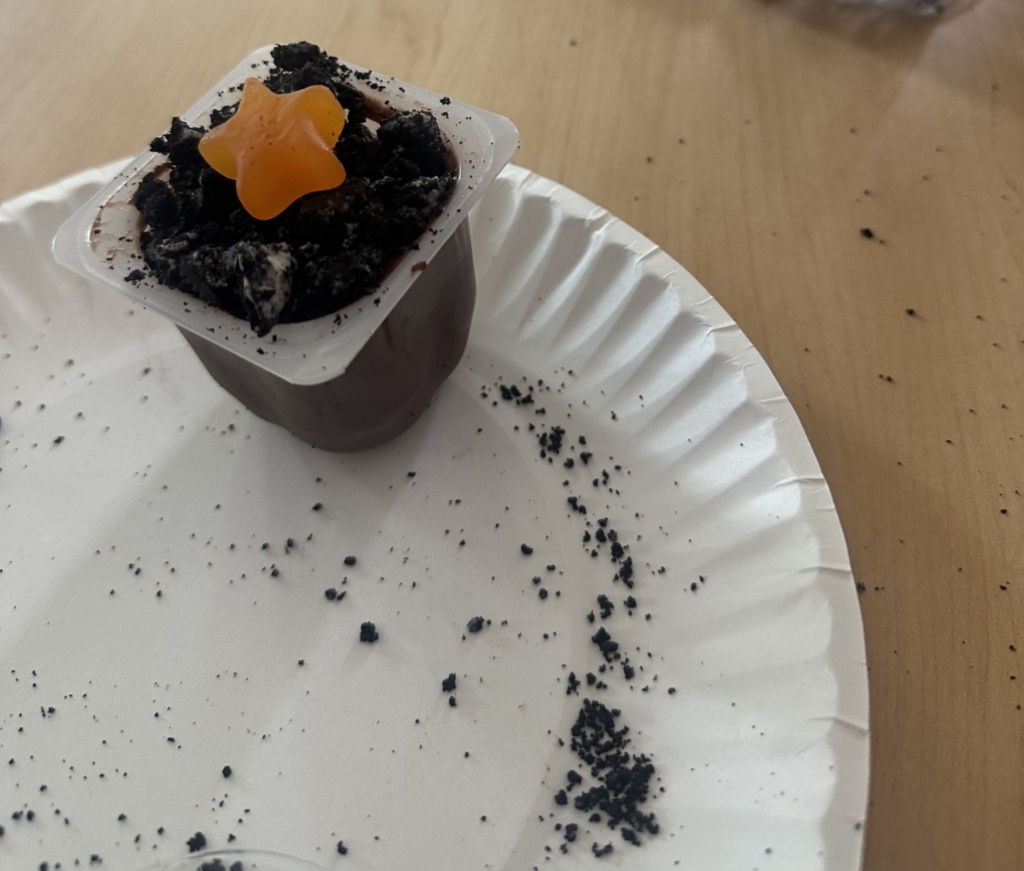
Adam’s grandma once came in to share a fun recipe with our class: dirt and worm pudding. She brought chocolate pudding, crushed Oreo cookies, and gummy worms. With parent permission, the children helped make their own little dirt and worm cups with her.
Adam was proud to have his Mimi there. What I loved was what happened afterward. The other children remembered her too. Whenever they saw her again, I would hear, “Hi, Adam’s Mimi!”
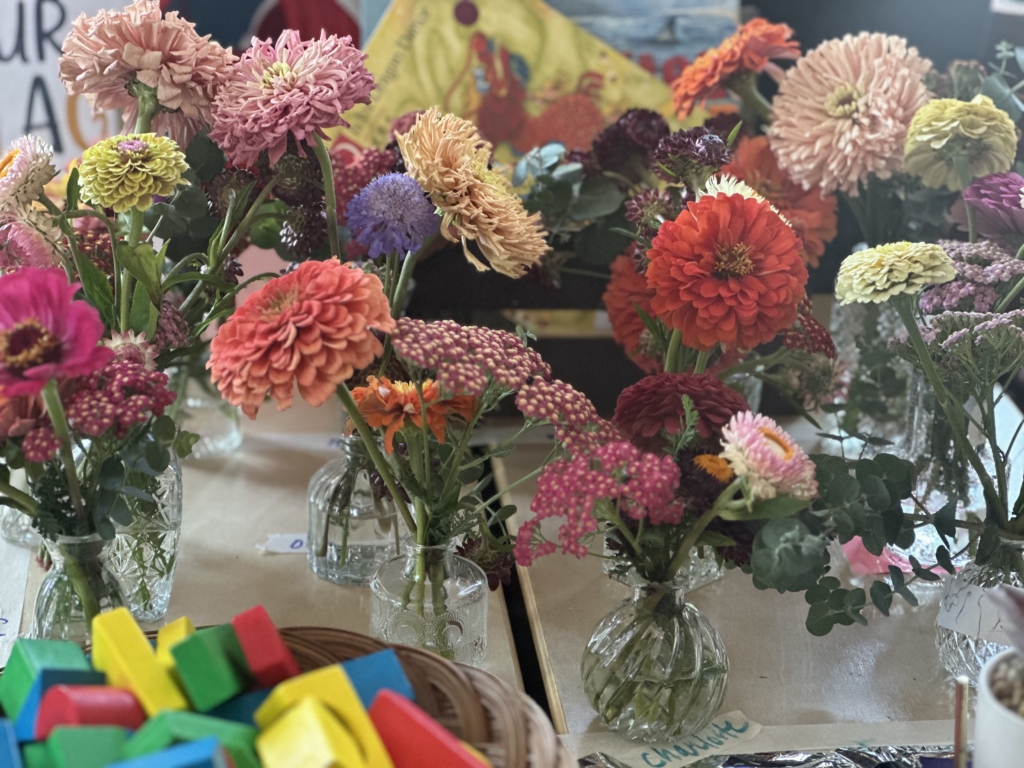
Families can also share something they enjoy doing at home. One mom loved gardening and had her own flower garden. She picked flowers from her garden and brought them in to share her hobby with our class. The children chose different flowers and created their own little bouquets. It was a simple way for a parent to bring something she loved into our classroom and share it with the children.
Keep the Conversation Going
Some of the most useful conversations I have with families happen in just a minute or two.
Sometimes it is a quick message before the day even begins: “My daughter has a stuffy nose today. If she complains or isn’t feeling well, I’m working from home, so please let me know.”
Other times a parent tells us their child did not sleep well, someone different will be picking up that afternoon, or something happened at home that the child may talk about during the day.
These may seem like little details, but I appreciate knowing them. If a child is quieter than usual later, asks for Mom, or says she does not feel well, I already have a little piece of the story.
Communication goes both ways. We try to send little pieces of the school day back home too. I like sharing pictures of children during their everyday moments.
We also have Share and Tell on Fridays. We send families a reminder that their child can bring something from home that can easily fit in their backpack. It might seem like a small thing, but I love hearing the stories that come with what children bring. They get to share something special from home with their classmates, and it gives us another little connection between home and the classroom.
One child came into our classroom speaking Spanish as her first language. Her mom was worried about how she would communicate with us and with the other children. During her first few days, nap time was especially hard for her. She would cry, look out the window, and say, “Extraño a mi mamá.” At first, I did not understand what she was saying. I wrote down the words I heard and when Mom came to pick her up, I asked her what they meant. She told me, “She is saying, ‘I miss my mom.’” Her daughter hugged her mom and burst into tears.
I could imagine how hard it was for her to be in a new classroom where she couldn’t understand what everyone was saying. After talking with Mom, I started learning a few Spanish words and phrases. When she missed her mom, I would tell her, “Mamá va a venir a recogerte” (Mom is coming to pick you up). I wanted her to feel comfortable knowing that I could understand her, even if I didn’t speak Spanish.
Little by little, she started using English words like “pee-pee,” “drink,” “yummy,” “food,” and “help” to tell us what she needed. She was learning from her classmates, and they were learning from her too.
One day she used the word “plato,” and the other children noticed how much it sounded like “plate.” It became a little moment of curiosity. Another time, a child asked her, “Do you want more cranberries?” She answered, “No más.” Over time, the other children began to understand what “no más” meant just from hearing her use it. Some even started saying it themselves when they did not want more.
Ask Families What Works at Home
I remember when Daniel first joined our classroom. On his first day, when it was time for the children to use the bathroom, I heard someone crying. I went over and saw Daniel. He was saying, “I want my mommy.”
I asked him what was wrong, and he said, “I don’t want to go pee.” At first I thought, maybe he just doesn’t have to go right now.
About an hour later, before we went outside, we reminded everyone to use the bathroom again. Daniel started crying again. “I want my mommy.” Now I was starting to wonder why going to the bathroom was so hard for him.
Later, during snack, he started crying for his mom again, and then he had an accident.
When I talked with Daniel’s mom at pickup, I asked if she could talk with him at home about what was making him uncomfortable. The next day, Mom shared that Daniel can be shy and does not like other children watching him while he uses the bathroom.
Since we share the cubby and bathroom area with other classrooms, it can get busy. After talking with Mom, I started looking for quieter times when other children were not around. I wanted Daniel to have some privacy and feel more comfortable. I kept doing this, and little by little, he became more willing to try.
When the area was quiet, I would gently whisper, “Let’s go, it’s potty time.” Slowly, he started holding my hand and walking with me to the bathroom. I helped him sit on the toilet, and he asked me to close the door. I started talking to him about his shirt. “I like your shirt. Oh, you have a monster truck on it.” I told him, “I’m so proud of you for sitting on the toilet.”
Then I heard, “I DID IT!”
I was so happy. I felt like I had won the lottery
When families and teachers work together, we can better understand what a child needs and help them feel comfortable and successful both at home and at school.
Let Something Small Travel Home
Families do not always have to come into the classroom to be part of what we are doing.
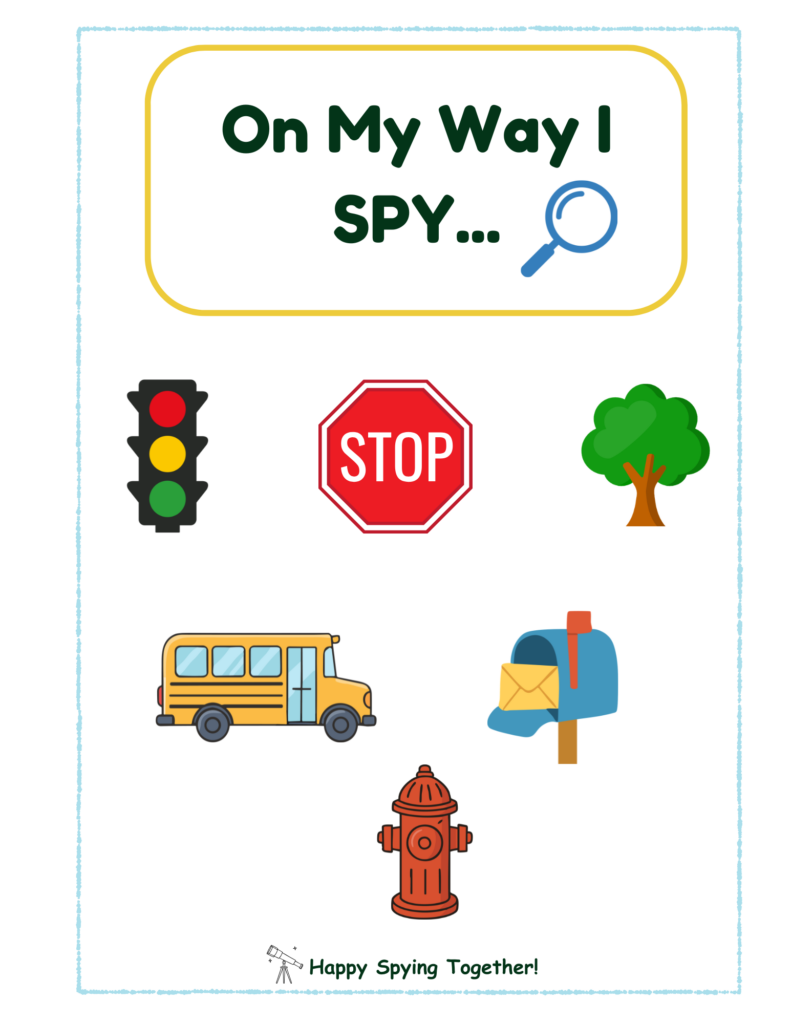
Sometimes I send home a simple activity families can enjoy together. Recently, I made an On My Way I Spy activity. It was mostly pictures of everyday things children might notice while they were already out with their families: a traffic light, stop sign, mailbox, school bus, tree, and fire hydrant.
There was no worksheet to complete and nothing they had to bring back. It was simply an invitation to look together. On the way to school, the grocery store, or anywhere else, a child could look out the window and say, “I see the school bus!”
Sometimes we send home other simple materials too: a book, playdough or Wikki Stix, pom-poms for sorting, emotion cards, or another small activity a child and family can explore together. I try to keep these things optional and easy. Families already have full lives. The goal is not to give parents another assignment. It is to give them another little way to connect with what their child is learning and enjoying.
Families Are Our Partners
I have learned that family partnership is not only about open house, conferences, or family events. It happens in the small everyday moments when we listen to families, share what we are seeing, and ask, “What works for you?” Families know their children in ways we do not, and we see another part of their child at school. When we keep talking to each other, we understand the child better.
I still think about Nancy’s mom wanting to see the classroom before the first day. Even though our open house was canceled, we found another opportunity to connect. She wanted to see where her daughter would spend her day and meet the people she was trusting to care for her.
Family partnership can start that simply, by opening the door and making time to connect.
References
Nemeth, K., Koralek, D., & Ramsey, K. (n.d.). Building a partnership with your child’s teacher. National Association for the Education of Young Children.

Authors

Author
Hema Khatri
Early Childhood Educator
Hema Khatri is an early childhood educator, writer, and 2026 NAEYC Annual Conference presenter base…
Next Up
Go to Next Resource
journal
Beyond Giving Knowledge Away: Rethinking the Responsibilities of Developmental ScienceDevelopmental science’s role extends beyond research to interpreting evidence, engaging with public systems, and improving outcomes for children and families.
