
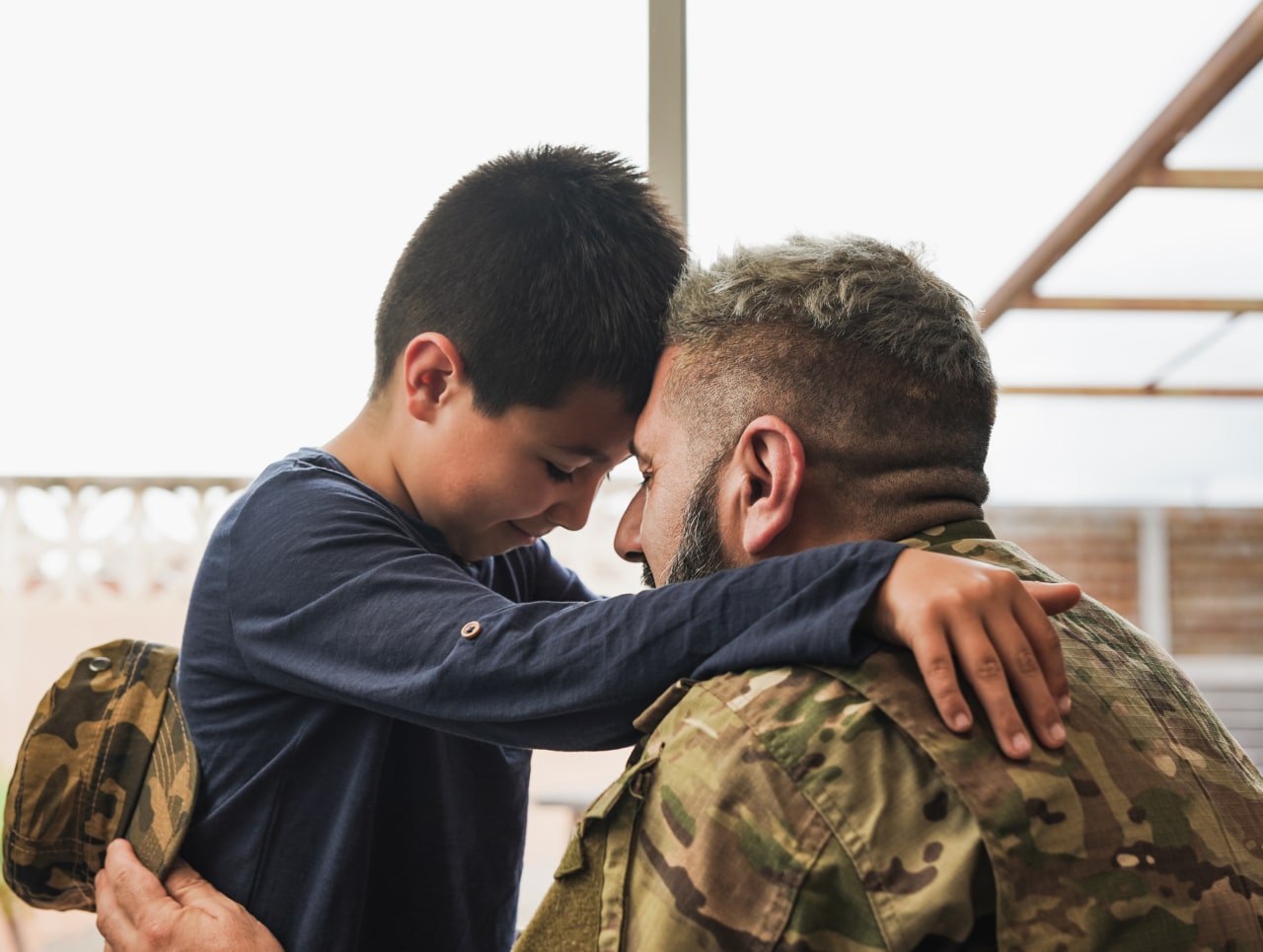
About 8% of the families early childhood professionals serve are military-connected.
Military families with babies and toddlers often navigate unique experiences, including deployments, reunions, frequent moves and the invisible effects of military-related stress. While these challenges can affect the entire family, strong, responsive relationships remain the foundation of healthy early development.
Download the guide below, created for professionals who support military-connected families, including early childhood educators, home visitors, health care providers and mental health professionals. It provides practical, relationship-based strategies to help families make sense of their experiences, understand what young children may be communicating through their behavior and strengthen the everyday interactions that help babies and toddlers feel safe, secure and loved.
Key Takeaways
- Relationships are the foundation. Babies thrive when they experience consistent, nurturing relationships with trusted caregivers, even during periods of separation or transition.
- Behavior is communication. Crying, clinginess, sleep changes, regression and other behaviors often reflect how babies and toddlers are experiencing stress or change.
- Everyday moments matter. Feeding, playing, reading, dressing and comforting are opportunities to strengthen connection and support healthy development.
- Parents’ well-being matters too. Supporting caregivers’ emotional health helps them be more present and responsive to their young children.
- Military families are resilient. Professionals can build on families’ existing strengths while helping them navigate deployment, homecoming and other military-specific experiences.
- Professionals play an important role. By listening without judgment, encouraging reflection and focusing on relationships, professionals can help strengthen both parent-child connections and family resilience.
Download the guide below to learn more.