
Mindfulness Practices for Children and Families
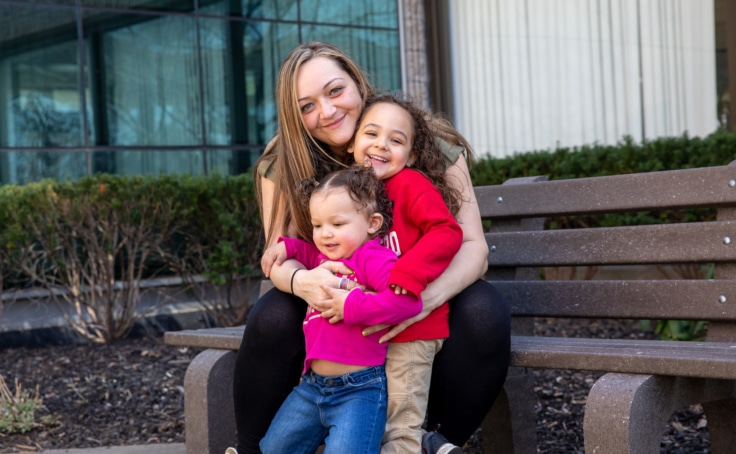
When parents and children are feeling big emotions, it helps to take a mindful pause. Simple mindfulness activities for kids can help.
Mindfulness means paying close attention to what’s happening inside and around us, with kindness and curiosity. It’s one of the best calming strategies for babies, toddlers and preschoolers, and a gentle way to build emotional awareness early.
How Can Mindfulness Help?
Mindfulness is one strategy that can reduce the stress of being a parent. Mindfulness is a way of being. Practicing mindfulness means paying attention to what’s happening in the moment and accepting those experiences and feelings without judgment. What does that look like in the everyday life of a parent?
Here are five ways1 to be mindful as you go about your day.
1. Listen to your child with your full attention.
Sometimes it seems like all we do is listen to our child! But it’s easy to be so focused on our own goals (like getting out of the house on time, getting dinner on the table, answering a friend’s text) that we miss what our children are really trying to say. I don’t want you to leave because I love you so much! Or, I’m tired of being stuck in the stroller. Listening with full attention helps you understand and respond to your child’s needs. Try a mindfulness activity designed to support listening with full attention.2
2. Accept your child (and yourself) without judgment.
Parenthood is exhausting. There will be many moments when you judge your child (or yourself) harshly. Why do we have to have a battle every time we ___ (Put on a jacket. Eat carrots. Ride in the car seat.)? Why did I yell when I know that does absolutely no good, ever? Acceptance of all feelings, even the negative ones, is important. If you can acknowledge a feeling without being overwhelmed by it, you can respond with patience, rather than react out of frustration and anger.
Knowing what to expect from your child from birth to 3 years old can help you accept her feelings and behavior with more understanding. To learn more, check out developmental milestones here.
3. Imagine your child’s feelings and match your response.
This strategy asks you to imagine how your child might be feeling during a difficult moment. Your 2- year-old can’t find his blankie and it’s time for bed! Tears and tantrums are up next! When you stop to imagine how your child is feeling, you can respond with love and compassion. Learn more about how you can support your child’s social–emotional skills here.
4. Manage your own feelings and reactions.
Mindfulness does not mean parents never get frustrated or angry. It does mean pausing before reacting in stressful situations. Young children don’t know how to manage their feelings yet. If you can be calm when your child is not, she learns that she can depend on you during even her toughest moments.
How do you stay calm in the midst of a baby’s crying, or a toddler’s defiance? The first thing to do is—nothing. Pause for a moment and take a few deep breaths. This helps calm the body and clear the mind. Need some help? Try this activity and see if it works for you.
5. Show compassion for yourself and your child.
Sometimes when young children are very upset, we forget how hard and overwhelming it can be to be so small. Thinking about a situation from a child’s point-of-view helps you respond with compassion. You really hate being buckled into your car seat! Hang on, we’re almost there. Parents also deserve compassion themselves. Instead of judging and blaming ourselves, we can stop to realize that everyone struggles and these feelings are normal. Self-compassion means recognizing that parenting is a process of learning. If your first approach didn’t work the way you wanted, try something else the next time. Many people have very little experience being kind to themselves. Here’s how to get started.
Mindfulness Activity: COAL—Curiosity, Openness, Acceptance, and Love
Take a few deep breaths.
Bring a soft gaze to your child. Look carefully and pay close attention to what you see without judging. Wait patiently for your child to initiate a connection. What expressions does she make? What movements does she make? What sounds or words does she use? Notice where she is directing her attention.
Watch closely and wonder what your child is expressing. When he initiates a connection, respond to him with warm support and notice how this feels for you. Wait again, and watch closely through several more back-and-forth interactions, until your child indicates he is ready to end the activity.
Mindfulness for Parents: 4, 5, 6 Breathing
Deep, belly breathing is a great way to restore calm when we are feeling stressed.
- Take a deep inhale down into your belly and a full exhale through the mouth.
- Now breathe in through your nose for a count of four.
- Hold your breath for a count of five.
- Breathe out for a count of six.
- Repeat this deep breathing three times.
Notice how you feel—physically and emotionally—after breathing deeply.
Mindfulness for Parents: Practicing Self-Compassion
Take a moment in your day to practice self-compassion. This activity is especially useful in a moment of stress, or when you notice self-criticism coming to the surface.
- Take a deep breath and a long slow exhale
- Acknowledge and name the emotion you are feeling
- Notice how your body feels—is there any tightness or discomfort? Where?
- Now, place one or both hands on your heart
- Take a deep breath and a long slow exhale
- Intentionally bring kindness to yourself.
- If it helps, imagine this kindness as a soft golden light that fills your chest. If this is difficult, imagine how you might comfort a dear friend who is suffering and turn that nurturing support toward yourself.
- Take a few deep breaths with your hand on your heart
- Relax and open your eyes
For parents and caregivers wondering how to explain mindfulness to kids, the answer is simple. It’s about helping little ones notice their breath, their bodies, and the world around them. These easy practices offer a mindful minute for kids to slow down, feel safe, and reconnect.
Each of the activities here introduces a kid-friendly mindfulness definition through play, movement, and connection. Whether you’re blowing bubbles, cuddling with your baby, or listening to a soft sound together, these short exercises support calm, connection, and emotional growth.
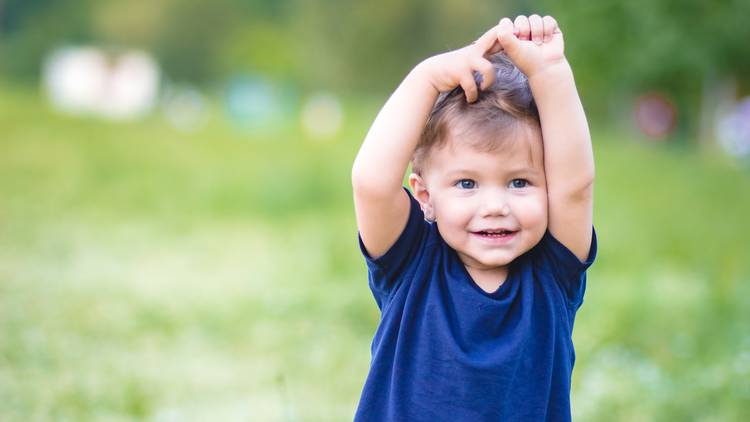
Balloon Breath
Imagine a balloon above your head as you fill your lungs with air and slowly let it out.
Teaches kids how their breath can calm their bodies. This is a simple way to start explaining mindfulness to kids.

Starfish Breathing
Help your little one trace their hand as a guide to deep breathing.
Helps children slow their breath using their hands as a guide. It’s a simple way to introduce mindful breathing.

Calming Glitter Bottle
Create your own glitter bottle and enjoy the calm as you watch the glitter settle.
Offers a visual way to talk about feelings and waiting for the “storm” to settle. A helpful tool for explaining mindfulness to kids.

Five Senses Exercise
Use all your senses to focus on the present moment.
Encourages kids to use sight, sound, touch, taste, and smell to explore their world. It’s a great mindful minute for kids who need to reset.
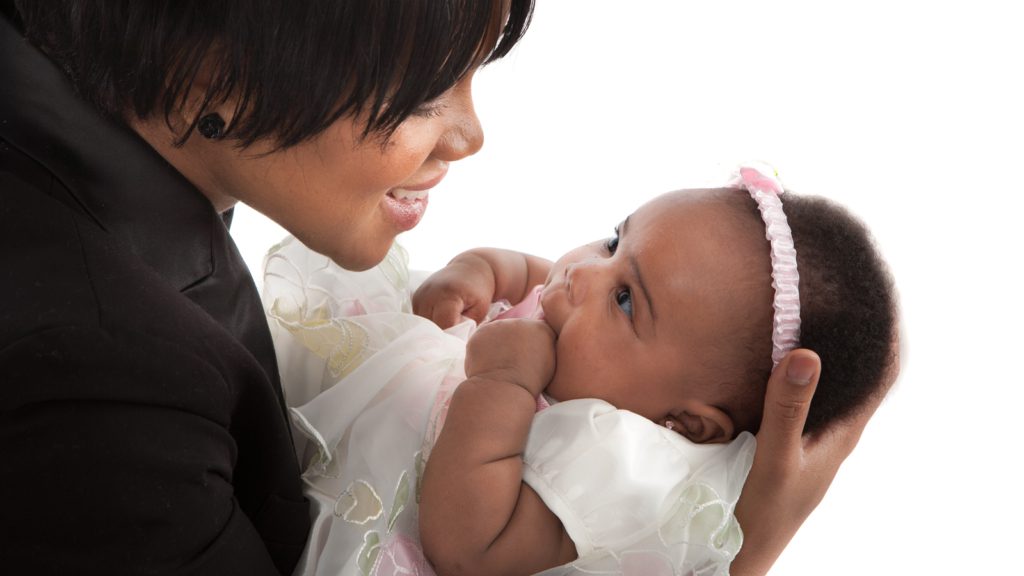
Pleasure Gazing
Take a few minutes to notice all the details of your child’s beautiful face.
Gives caregivers and babies space to be present and focus. This quiet practice builds attention and calm.
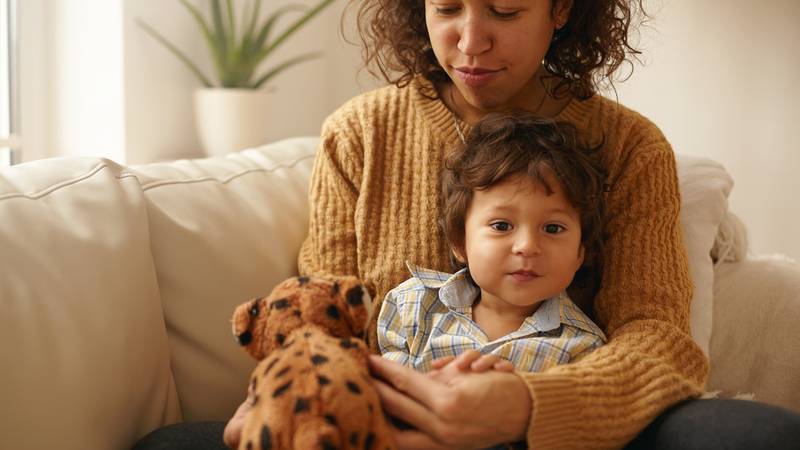
Breathing with a Buddy
Rock a stuffed animal to sleep with some gentle belly breathing.
Teaches belly breathing through play. It’s a gentle calming strategy for toddlers and preschoolers who respond to comfort and rhythm.

Read More
Next Up
Go to Next Resource
toolkit
How can mindfulness support early childhood educators?Studies show that practicing mindfulness in early childhood settings has an impact on teachers and on the children in their care.
