
Home/Resources/Early Development/Understanding Toddler Behavior: What’s Typical and When to Seek Help
Good Question resource type icon

Understanding Toddler Behavior: What’s Typical and When to Seek Help

Dear ZERO TO THREE,
How can I tell the difference between typical toddler behavior and something that might point to a mental health problem? There are so many big feelings at this age. It's hard to know what's normal and what may signal a mental health concern.
– Early Childhood Educator
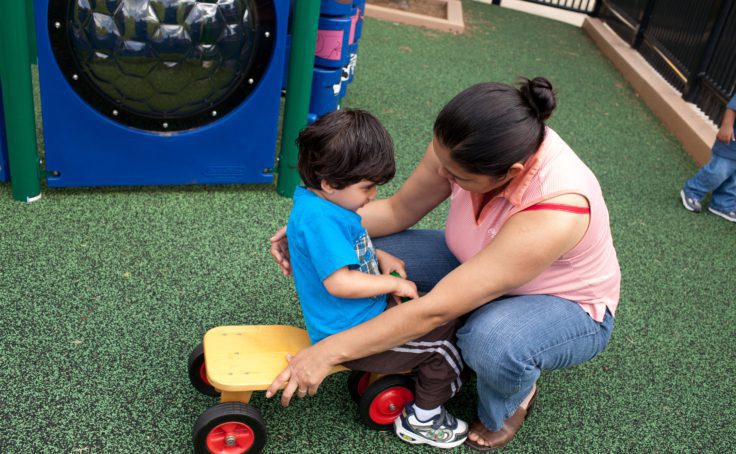
An early childhood educator squatting down to talk to a sad child
Yes, mental health includes babies.

This is such an important question, and one many parents and educators ask. Toddlers are learning so much, so quickly. Understanding toddler behavior can be difficult. It can be hard to know what’s part of healthy development and what might need a closer look.

Let’s start with what’s typical. Between the ages of 1 and 3, children are learning to express emotions, test limits, explore their environment, and assert their independence. It’s completely normal to see:

  • Frequent use of the word “no”
  • Big reactions when routines change
  • Tantrums when they are tired, overstimulated, or cannot communicate their needs
  • Clinginess in new situations or during separation
  • Defiance as they figure out boundaries

These behaviors are a natural part of learning how to manage emotions and navigate relationships. They’re not something to worry about, but rather something to observe with curiosity.

When we start to wonder about a child’s mental health, it’s not about labeling or fixing. It’s about noticing patterns, asking questions, and partnering with families to better understand what might be going on.

Signs That Might Suggest a Child Needs More Support:

  • Difficulty forming close connections with caregivers or other children
  • Tantrums that are intense, frequent, or hard to recover from
  • Little interest in play, exploration, or interaction
  • Aggression that continues even with consistent guidance
  • Regression in skills like speech, sleep, or toileting
  • Persistent sadness, fear, or irritability
  • Ongoing distress during transitions or separation, especially beyond age 3

These childhood mental health signs are not a checklist for diagnosis. They are invitations to pause, reflect, and talk with families about what they are seeing at home, too.

Families are the most important experts on their children. If something feels different or unexpected, we can approach that gently and respectfully, with curiosity. Instead of asking, “What’s wrong?” we can say, “I’ve noticed this. Have you noticed anything similar at home?” Reflecting on patterns and potential triggers is helpful in understanding toddler behavior.

By opening the door for conversation, we create space for understanding. And if needed, a pediatrician can connect families with Infant and Early Childhood Mental Health (IECMH) professionals who are trained to support both children and caregivers.

Big feelings in toddlers are not only common, they are necessary. Every behavior has meaning. When we slow down and wonder together with families, we can better support a child’s development and emotional well-being.

If something doesn’t sit right, it’s okay to ask questions. Support is available, and reaching out early makes a difference.

What is gentle parenting?

Learn more about mental health diagnosis for infants and young children.

View our Baby Brain Map to learn more about early brain development.
Advertisement
Advertisement
Next Up
distillation
What do mental health issues in young children look like?
Babies and toddlers can and do suffer from mental health problems caused by trauma, neglect, biological factors, or environmental situations.
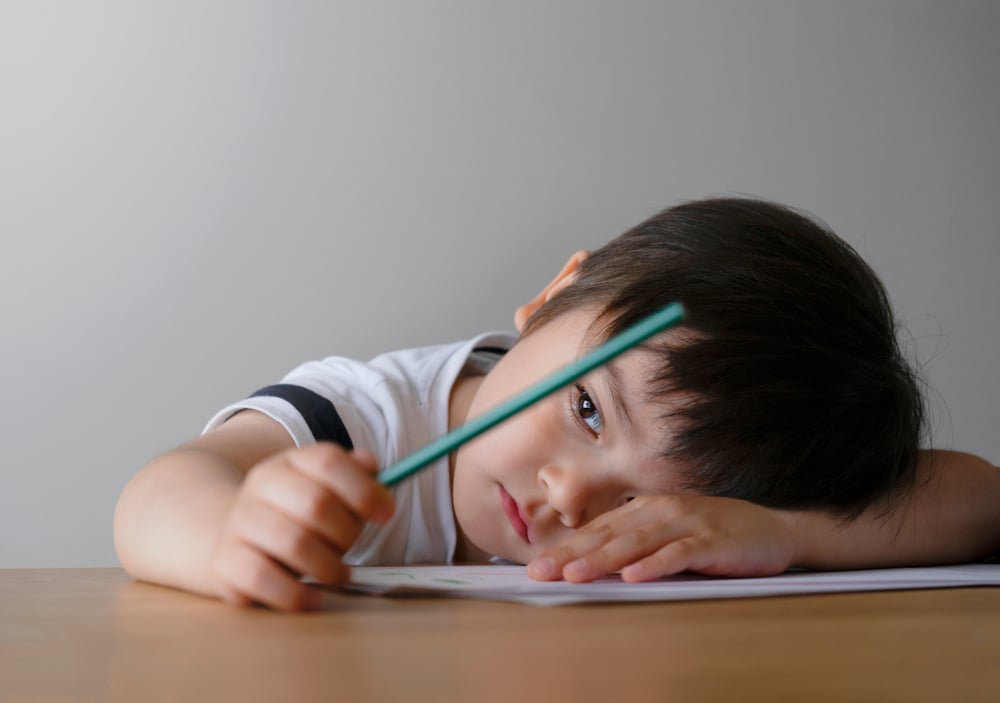
Sad child with head down at a desk