
Yes, Mental Health Includes Babies
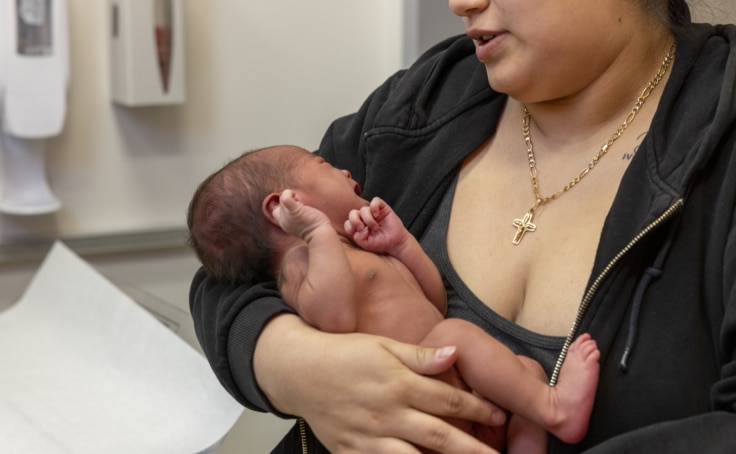
Infant mental health affects how babies experience and express emotions, build relationships, respond to stress, engage with caregivers, and explore and learn. Mental health begins developing from birth and is closely connected to a baby’s overall health, well-being and development.
For infants, mental health is about much more than whether a child has a mental health disorder. It includes the developing ability to feel safe in relationships, manage emotions with support from caregivers, interact with the world around them and build the foundations for later social, emotional and cognitive development. ZERO TO THREE’s existing definition similarly centers relationships, emotions, exploration and learning within the context of family, community and culture.
Early experiences matter, especially during the first years when development is happening rapidly, but they do not permanently determine a child’s future. Warm, responsive interactions and supportive relationships can help babies develop the skills and resilience they need as they grow. The supplied research brief also emphasizes the importance of responsive caregiver interactions during the rapid brain development of the first three years.
Understanding the impact of mental health in babies
The perinatal period and a baby's first few years of life are critical for lifelong mental health.
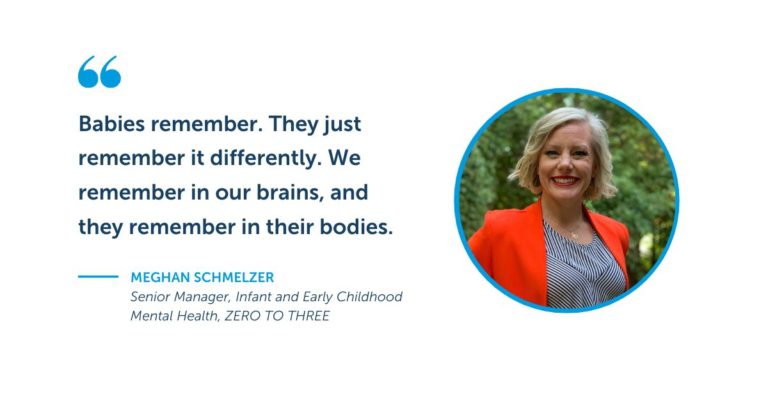
A warm smile. A familiar song. A gentle touch. With each positive interaction, babies develop important neural pathways that shape their future social-emotional and cognitive functioning.
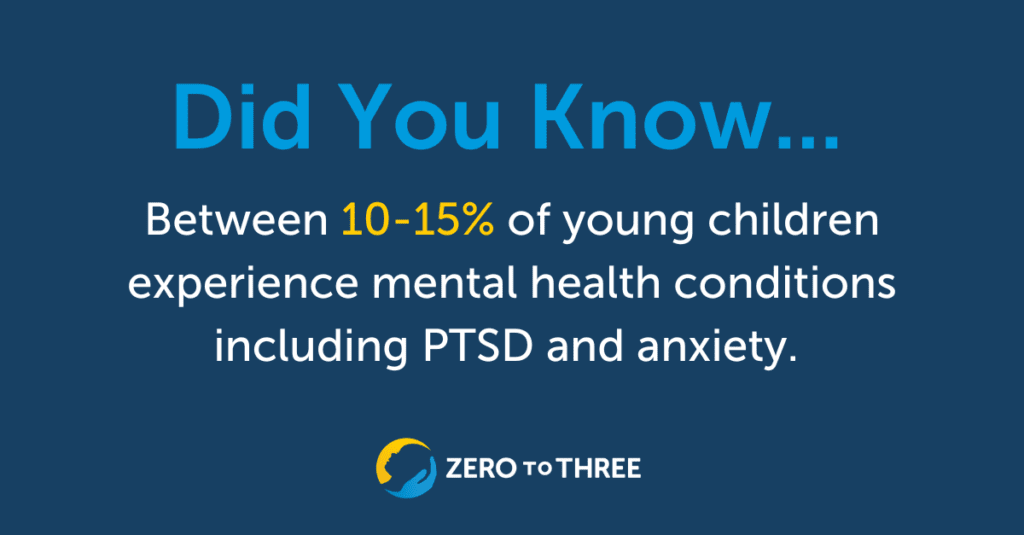
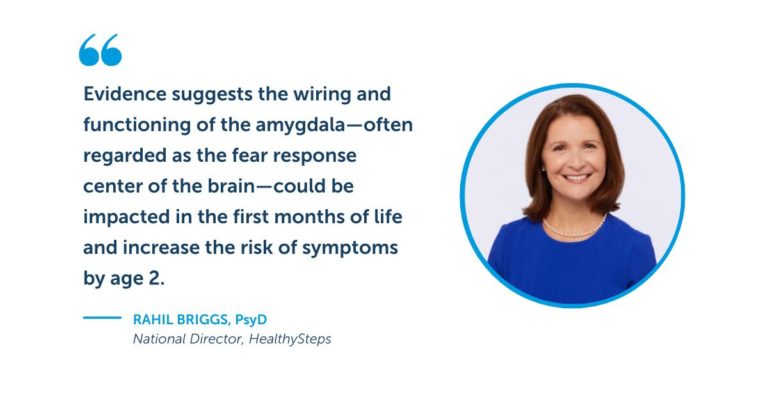
Brain development in the prenatal and first three years of life advances at rates that exceed any other time period. During this phase of early childhood development, infants are especially vulnerable to stress and trauma because the brain is developing so rapidly.
This window of infancy and early childhood provides optimal opportunities to build healthy brain development, support the earliest relationships, and promote infant and early childhood mental health (IECMH).
Research has consistently found that securely attached children experience better relationships with their parents and peers, heightened optimism, stronger self-esteem and enhanced problem-solving abilities.
Conversely, adverse experiences such as neglect, abuse, or trauma can have negative effects on a baby’s mental health, potentially leading to issues like anxiety, depression, and behavioral problems throughout childhood, adolescence and even adulthood. Complex trauma can disrupt attachment and brain development, and research on adverse childhood experiences has linked early adversity to long-term health outcomes.
Even in a nurturing environment, mental health problems can still manifest. Regulatory problems in infancy are associated with later motor, language and cognitive delays, behavioral problems and ongoing parent-child relationship difficulties.
This is why early identification and intervention is key when it comes to
infant and early childhood mental health (IECMH) and includes understanding and identifying both
protective and risk factors in pregnancy and the early postnatal period. In the first three years, early intervention and prevention can reduce later risk and strengthen outcomes.
IECMH is the developing capacity of the infant/young child to form close and secure relationships; experience, manage, and express a full range of emotions; and explore the environment and learn—all in the context of family, community, and culture.
Everyone has a role to play
For early childhood professionals, using a diversity-informed approach for each family is key.
IECMH is a multidisciplinary field, inclusive of persons from many professional and community backgrounds and systems, focusing on enhancing the emotional and social competence of infants, toddlers, and preschool-aged children through healthy relationships. Anyone who touches the lives of babies, young children and their families can contribute to promoting infant and early childhood mental health (IECMH).
Cultural connection not only determines how “healthy social-emotional development” is understood by parents and caregivers, but also defines the coping mechanisms, child-rearing beliefs, and expressions of love and nurturing they may use to promote mental health in babies and young children.
Diversity-informed practice helps us approach the work through a lens of curiosity and recognize that we cannot filter the experience of children and families through just our own singular lens.
Katrina Masacaet, PD Manager, Professional Innovations Division (PID)
What IECMH professionals are saying
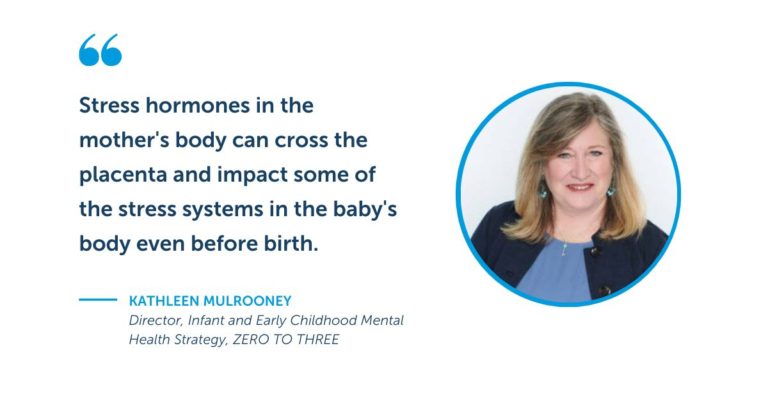
Exploring a diagnosis
The first signs of mental health disorders can manifest in infancy. Symptoms can include eating and sleeping difficulties, the inability to calm, difficulties with emotional regulation, avoiding eye contact and other less typical characteristics like atypical responses to stimuli.
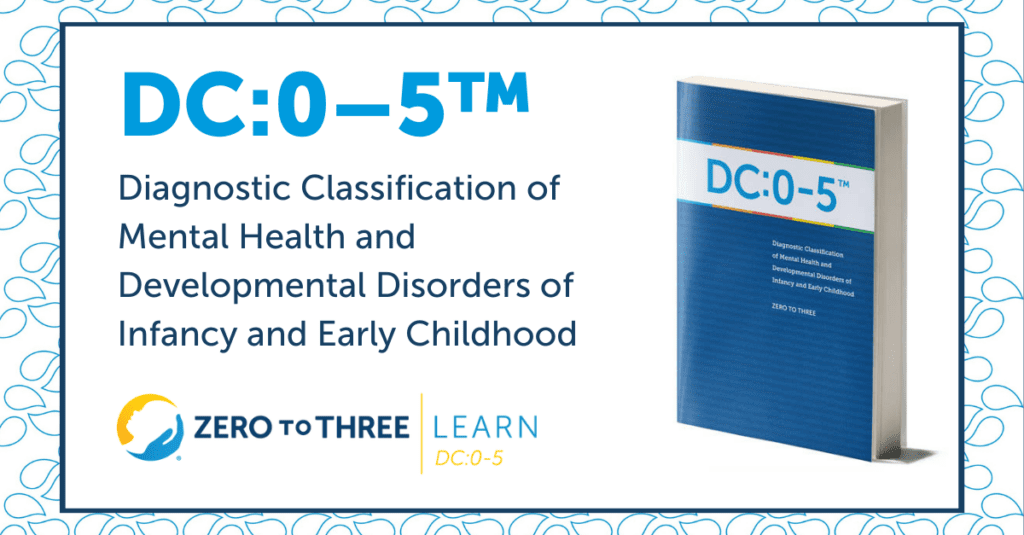
In 1994, we published our first manual to help professionals diagnose and treat mental health problems in the earliest years with education and training tools that support early intervention and prevention. More than 32,000 learners have participated in the DC:0-5 Clinical Training. In a study, 88% of IECMH practitioners reported the manual was “very helpful” when diagnosing young children and 69% found the manual “very helpful” in their process of developing a clinical formulation or treatment plan.
We have amazing tools and treatments to recognize and respond to mental health challenges in young children and those tools will not benefit who they are meant for unless we can equip professionals with the knowledge and support they need.
Sufna John, PhD, Child-Parent Psychotherapy (CPP) and DC:0-5 State Trainer
IECMH in your inbox
Sign up to recieve the latest research, updates and advocacy opportunites to promote infant and early childhood mental health.

Next Up
Go to Next Resource
journal
Guardians in the Nursery: The Role of Early Childhood Educators in Fostering Infant and Young Children’s Positive Mental HealthDorinda Silver Williams, Georgetown University Center for Child and Human Development, Washington, DC Kathleen Mulrooney, ZERO TO THREE, Washington, DC Abstract This article focuses on the fundamental role that early childhood educators (ECEs) play in the lives of infants and very young children and their families—underscoring the power of early interactions and relationships between infant–toddler and preschool educators and the […]
