
AI Slop or High-Quality Screen Content? How Parents Can Tell the Difference
Key Takeaways
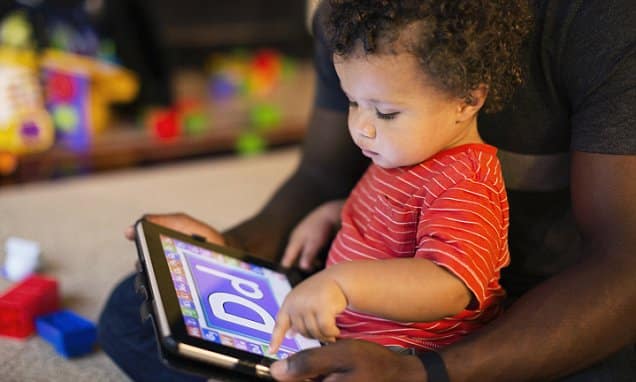
- High-quality children’s content should encourage real-world learning and connection, not just keep kids watching with fast-moving visuals and noise.
- Watch for warning signs of “AI slop,” like repetitive videos, inaccurate information, overwhelming stimulation or content with no clear creator or educational value.
- Parents can support healthier screen time by previewing content, choosing trusted sources, turning off autoplay and watching together so they can talk, play and connect beyond the screen.
Discover the clear indicators of AI-slop that we can use to make good decisions about what kids are watching.
Dancing vegetables. Cats in space. Dinosaurs teaching manners. AI generated content can be silly, catchy, and child-facing without offering much at all by way of substance.
Lately, this content has flooded YouTube and social media and made finding content from tried and true child development experts and educators harder to spot. If you’ve ever looked at “kids programming” and wondered to yourself “Is this actually good for my child, or is it just colorful and catchy?” you are asking the right question! Let’s talk about choosing screen content with care.
What is “AI slop” anyway?
AI slop is low-quality digital content made partly or mostly by generative AI. It is often created quickly and in large amounts. It may be made to fill a feed, get clicks, show ads, or just keep people watching.
It can look like:
- Strange or repetitive videos
- Fake-looking images
- Songs or stories that feel generic
- Articles with wrong or shallow information
- Videos labeled “educational” that teach little or include mistakes
- Content with no clear creator, source, or purpose
AI-generated content is not always slop. A person can use AI carefully to support a creative project. What makes something “slop” is the lack of care: little checking, little purpose, little connection to children’s needs, and little concern for accuracy or quality. Think of it like digital junk food: it may grab attention and feel fun, but it does not nourish a young child’s mind.
What are warning signs of low-quality AI content?
Young children are still learning how stories work, what is real or pretend, and how to make sense of their own emotions. They may not notice when content is fake, shallow, or poorly made. Thankfully, there are some clear indicators of this “digital junk food” we can use to make good decisions about what kids are watching.
Low-quality AI content may:
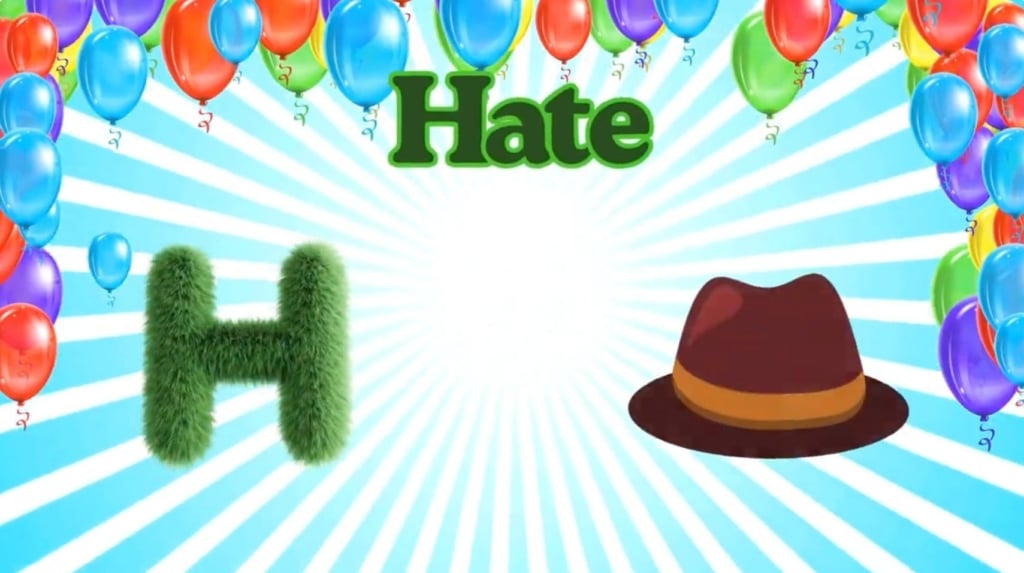
- Move too fast for children to understand
- Use loud sounds, bright colors, or surprise changes mainly to hold attention
- Include inaccurate information or things that don’t make sense
- Show unsafe actions without clear guidance
What does high-quality screen content look like?
A good children’s show or app should give you something to talk about, sing about, or read more about after the screen is off!
Does the show or app encourage your child to explore, build, draw, or play? Chances are this content is aimed at truly helping your child learn.
We don’t have to reinvent the wheel! Zero to Three’s E-AIMS Model helps parents identify content that is engaging, active, meaningful, and social. These same qualities are just as important in a digital landscape that includes AI as it was before we had to worry about low quality content. Use this model to help you look for content that will encourage your little one to connect with others, think, talk, imagine, and return to real-world play.
What parents can do
Here’s some quick tips for identifying AI-slop and keeping your kids’ attention on high quality entertainment and education options:
- Preview new things your child is watching.
- Choose trusted sources, such as PBS Kids, library-recommended content, or expert-reviewed media.
- Turn off autoplay in your YouTube Kids settings.
- Watch or play together with your child.
- Ask simple questions: “What happened?” “How did she feel?” “Have we seen that before?”
- Connect the screen to real life: read a related book, act out the story, look for shapes outside, sing the song together, or draw a picture.
- Trust your gut! Stop content that feels confusing, scary, unsafe, or too hard to turn off.
- Repetition is okay. Remember that repeating a high-quality show, song, or story can be better than endless new clips.
AI slop is low-care content in a high-speed feed. High-quality screen content is different. It is made responsibly and carefully, fits a child’s developmental milestones, supports creativity and problem solving, and gives families something to share. For young children, the best media does not replace play, books, movement, sleep, or relationships. It points children back to them.
Explore research about the impact of screen media and AI on children under 3.
Next Up
Go to Next Resource
open-letter
How the Attention Economy Impacts Young ChildrenDr. Radesky explains how today's digital media is capturing and commercializing young children’s attention, underscoring the need for stronger parent, platform, and policy responses.
