
What the article says:
The Department of Health and Human Services has proposed a sweeping rewrite of Head Start’s federal standards, with big implications for the well-being of our littlest learners. The proposal would eliminate federal requirements around areas including class size and teacher-child ratios, curriculum implementation and some staffing and transportation practices.
It would also lower the cap on administrative costs from 15% to 5%, remove some restrictions on suspension and expulsion, reduce health services and family support services, and require instruction to be in English. HHS argues the changes could save $2.2 billion, largely through reduced services and staffing, and create 236,000 additional Head Start slots.
Amanda’s thoughts:
What concerns me most about these proposed changes is that we know what babies and families need to thrive — and we have research showing that these supports make a difference. Weakening the standards that help provide those supports risks moving us in the wrong direction.
Head Start and Early Head Start have never been just child care. They are CHILD DEVELOPMENT programs.
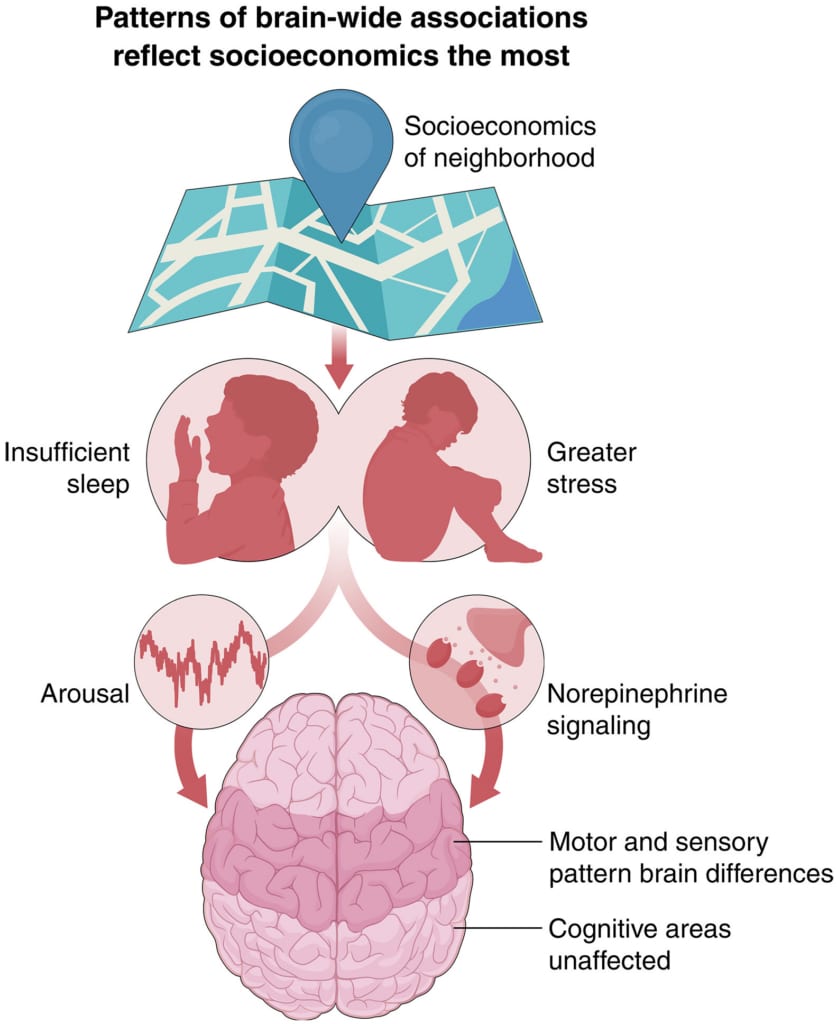
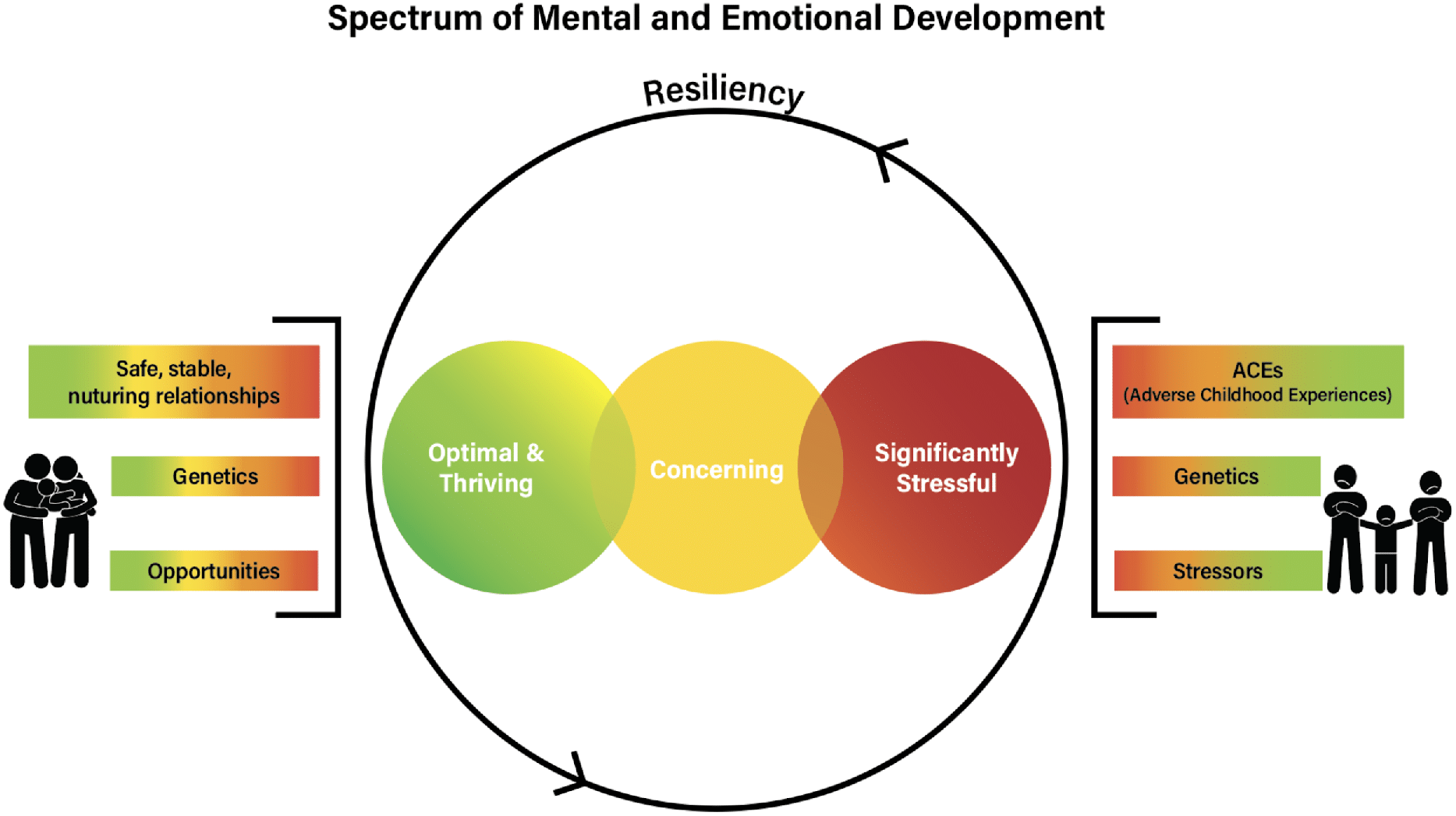
Poverty gets under the skin. The impacts on children slip in with missed meals or missed medical appointments, with the stress of a family whose bills are piling up, and with child care that is affordable enough to fit somewhere in a family’s tight budget but provides low-quality care for children. What makes Head Start and Early Head Start so powerful is their comprehensive, two-generation approach, connecting early learning with health, mental health and family supports and beginning, for some families, during pregnancy.
The research tells us those early supports matter. For example, in a landmark longitudinal study, babies and families who participated in prenatal services in Early Head Start showed the strongest patterns of impact. Why? Because prenatal care for a mom, including relationships that cut the isolation of pregnancy, impacts the health and well-being of a baby. Those prenatal services can help strengthen the people, relationships, stability and environments babies depend on from their very first days. They are one powerful protective factor among many at risk in this rewrite.
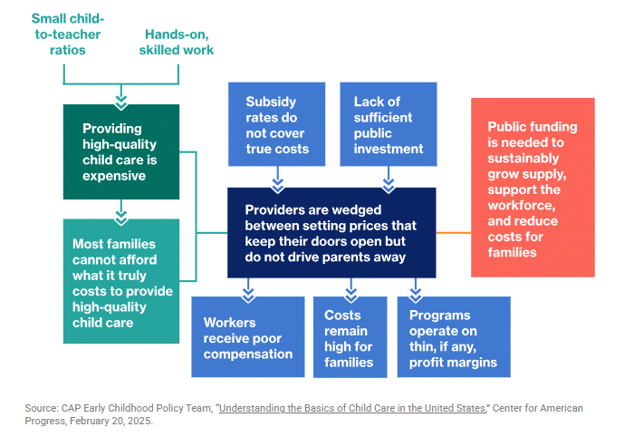
I’m also deeply concerned about what happens when we remove a strong national floor for quality of child care and early learning services. The proposal would eliminate federal requirements in areas including teacher-child ratios and class sizes, leaving more decisions to state standards. But those federal standards are what separate basic child care from child development. For every baby or toddler added to one early educator’s workload, that is another baby to keep safe, fed and diapered, another baby to build relationships with and support learning. Undermining that ratio undermines the safety, health, well-being and early learning of babies.
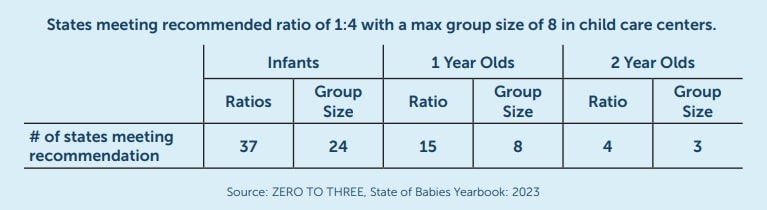
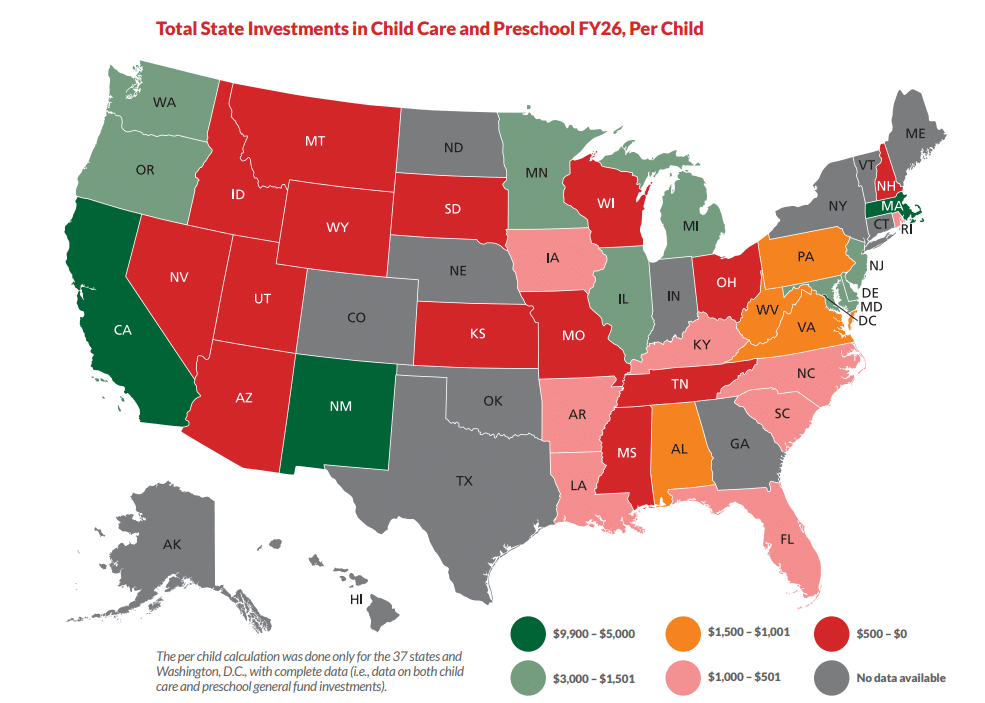
Rules for ratios and group sizes vary significantly from state to state and already fall short of national recommendations.
Babies need more access to Head Start and Early Head Start, for sure. But it’s unclear this rule would accomplish that—and any increase in slots cannot come at the expense of the very program we’re seeking to expand. We can’t build a child care system by dismantling the proven program that babies need.