What Preschoolers Understand About AI
Key Takeaways
- Preschoolers may understand that AI is a tool made by people, but they still need help understanding that AI can be wrong, collect information and does not have real feelings or relationships.
- Young children are already building important ideas about trust, emotions, friendship and what is real or pretend, making this a good age to start simple conversations about AI.
- Parents can support early AI literacy by using clear, age-appropriate language that reminds children people, not machines, are the safest source of love, help and guidance.
What do preschoolers understand about AI? Understand the role of parents and caregivers in guiding AI literacy with young children.
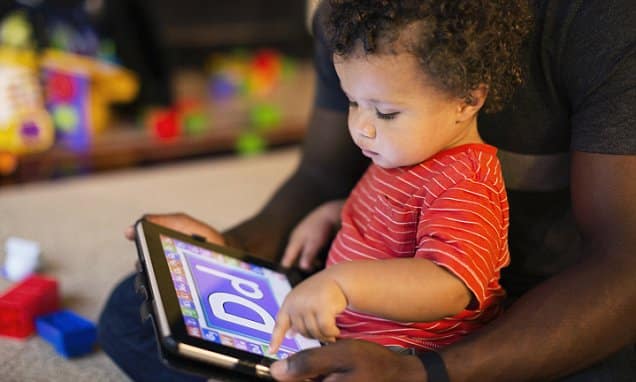
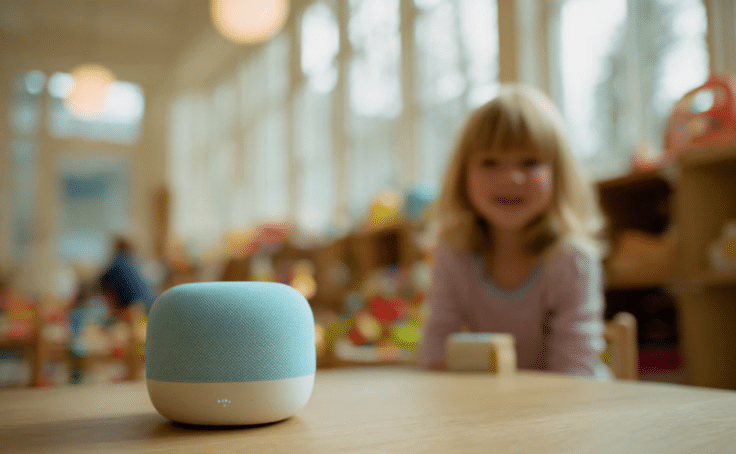
Little ones often don’t see AI directly, but instead it looks to them like a speaker that answers questions, a toy that talks, or a screen that always knows just what video should come next.
It’s quite possible that your child has already heard a smart speaker, like Amazon’s Alexa, answer a question, watched a show that was suggested to them by YouTube Kids, or played with an educational app that got harder as their own skills improved.
Preschoolers are learning and exploring all about the world around them, and that includes making sense of technology. They’re learning a great deal about how people, animals, toys, and machines are all different, and sometimes not so different, from one another.
What they’re learning
4- and 5-year-olds are at an exciting time in their development and building big ideas about the world. They are learning:
- What is alive and what is not
- What can think, feel, or want things
- What is real and what is pretend
- Who can best answer their questions
- How people learn, remember, and make mistakes
- How friendships and caring relationships work
What they may understand about AI
Kids are perceptive! Based on research that we’ve seen with kids and AI and other kinds of technology, we know that preschoolers may understand that:
- AI is different from a person.
- AI is inside or connected to a device.
- AI can answer some questions.
- AI can make mistakes.
- AI needs people to build it, program it, charge it, or connect it to the internet.
- AI does not eat, sleep, grow, or have a family.
What they cannot easily understand about AI
Although preschool children may be able to understand some things about AI, there are important limits to their ability to stay safe, keep their information private, and identify mistakes when interacting with AI.
Preschoolers may not fully understand that:
- AI does not actually know them like you do or a friend does.
- AI can sound confident and still be wrong.
- AI may collect information, such as recordings of their voice or things they say.
- AI answers come from patterns in data, not from lived experience.
- AI does not have real feelings, even if it says friendly things.
- A chatbot or AI toy cannot keep a secret the way a trusted adult can.
- Some AI tools are designed to keep people using them longer.
Is preschool too early to work on AI literacy?
Preschool is not too early to talk to your children about AI.
A four year old doesn’t need a technical lecture, but there are so useful things you can say to your kids if they start to ask about or interact with AI:
- “AI is a computer tool. People made it.”
- “Sometimes computers get things wrong. People do too. That is why we check.”
- “It uses words, but it does not have feelings.”
- “It is not a kid, a grown-up, or a friend.”
- “Your name, where you live, and private feelings are not for apps or toys.”
- “If AI says something we don’t know or don’t like, we check with a grown-up.”
- “People are for hugs, help, and secrets. Machines are tools.”
Preschoolers can begin to understand AI, but they need adults to guide them. AI may talk, answer, and act friendly, but it is still a tool made by people. Young children need clear, simple explanations and lots of real-world connection. Most of all, they need to know that people, not machines, are their trusted sources for love, care, safety, and help.
Next Up
Go to Next Resource
resource
AI Slop or High-Quality Screen Content? How Parents Can Tell the DifferenceDiscover the clear indicators of AI-slop that we can use to make good decisions about what kids are watching.