

Advancing Infant and Early Childhood Mental Health
Mental health is the foundation of early
childhood development.
childhood development.
From the earliest days of life, babies begin developing the emotional, social, and relational skills that shape how they learn, grow, and connect with the world around them.
Infant and early childhood mental health (IECMH) is about much more than the absence of mental health problems. It is the foundation of a child’s emotional well-being, healthy relationships, emotional regulation, resilience, and lifelong development during the critical first five years of life.
Jump To:
Mental health develops through responsive caregiving, secure relationships, and positive early experiences. When infants and young children consistently feel safe, supported, and understood by parents, caregivers, and other trusted adults, they build the confidence to express emotions, explore their environment, develop new skills, and form meaningful relationships.
These early interactions help shape the developing brain and support both emotional and physical health, creating a strong foundation for early learning, school readiness, and lifelong well-being.
At ZERO TO THREE, we believe every baby deserves the opportunity to thrive. Through research, advocacy, professional development, evidence-based resources, and infant and early childhood mental health training, we help families, educators, pediatric providers, policymakers, and other professionals understand and support the unique mental health needs of infants, toddlers, preschoolers, and their caregivers.
By strengthening relationships and providing early support, we can make a meaningful difference in a child’s life from the very beginning.
key takeaways
- Infant and early childhood mental health develops from birth through age five and is the foundation for lifelong health and well-being.
- Responsive caregiving and secure relationships help children build confidence, resilience, and emotional regulation.
- Positive early experiences, play, healthy routines, and safe environments support healthy brain development and early learning.
- Risk factors such as trauma and chronic stress can affect development, but early support can make a meaningful difference.
- Families, educators, pediatric providers, and other professionals all play an important role in supporting children’s mental health.
- ZERO TO THREE provides evidence-based resources, training, and tools to help children, families, and professionals thrive.
Mental health is formed in our earliest days, even before birth.
What Is Infant and Early Childhood Mental Health?
Infant and early childhood mental health (IECMH) is a child’s developing capacity to experience, express, and regulate emotions, build secure relationships, explore and learn from their environment, and feel safe and supported by the caring adults in their lives. It reflects the social, emotional, and behavioral well-being of infants, toddlers, and young children from birth through age five and develops within the context of nurturing relationships with parents, caregivers, family members, educators and other trusted adults.
Babies are born ready to connect with others, and every interaction—from being comforted when they cry to sharing smiles, play and conversation—helps shape their emotional development and supports healthy brain development.
Key components of infant and early childhood mental health include the ability to:
- Form secure relationships
- Experience and express emotions
- Explore and learn
- Feel safe and supported
- Learn through play, relationships, and everyday experiences.
- Develop resilience and adapt to new situations.
Babies are not just observers but active participants in their own development. Once we realize that babies and toddlers have the potential for a vibrant emotional life, we can address other critical issues concerning them.
Why Infant and Early Childhood Mental Health Matters
The first five years of life are a critical time for a child’s healthy development. During these early years, children build the emotional, social and cognitive skills they will use throughout their lives. Strong relationships with parents, caregivers, educators and other trusted adults help children develop the confidence and resilience they need to learn, adapt and thrive.
Investing in infant and early childhood mental health doesn’t just benefit children today; it helps lay the foundation for lifelong success and helps build stronger, healthier communities.
Current Issues and Research
Research shows that more than 10% of young children in the United States face mental health challenges, like post-traumatic stress disorder and anxiety.
Research also shows that early experiences shape a child’s developing brain and long-term mental health. While some children face risk factors that can affect healthy development, supportive relationships and early intervention can help build resilience.
Not all stress is harmful. Everyday challenges can help children grow when caring adults provide support. However, toxic stress—strong, frequent, or prolonged stress without consistent, supportive relationships—can interfere with healthy development, making early support especially important.
10-16%
Between 10-16% of young children experience mental health conditions including PTSD and anxiety.
22%
For babies in poverty, that number is even higher–22 percent.
$3.64
Funding infant and early child mental health programs is a solid investment. Each dollar invested into these programs returns $3.64 back in prevented treatments later in life.
Source: Think Babies. (2022). Infant and early childhood mental health. Centers for Disease Control and Prevention (2022, June 3). Data and statistics on children’s mental health.
What Can Affect Infant and Early Childhood Mental Health?
Every child experiences challenges, but supportive relationships and environments can help children develop resilience. A child’s mental health is influenced by protective factors that strengthen healthy development and risk factors that can increase the likelihood of future mental health issues.
Recognizing these factors early helps families and professionals provide the support children need to build healthy relationships and continue developing in positive ways.
| Protective Factors | Risk Factors |
|---|---|
| Responsive caregiving and secure relationships | Trauma and adverse childhood experiences |
| Safe, stable, and nurturing environments | Chronic stress or toxic stress without supportive relationships |
| Positive early experiences and consistent routines | Neglect or inconsistent caregiving |
| Strong family and community support | Poverty, food insecurity, or housing instability |
| Access to health care and early intervention services | Caregiver mental health challenges or substance use |
| Opportunities for healthy sleep, nutrition, play, and exploration | Exposure to violence or ongoing adversity |
How Professionals Support Infant and Early Childhood Mental Health
Supporting infant and early childhood mental health is a shared responsibility. Professionals across health care, education and family support work together to promote healthy development and identify concerns early.
These professionals may include:
- Early childhood educators and child care providers
- Pediatric providers and mental health consultants
- Home visitors, therapists and family support professionals
- Policy leaders and other community partners
They use relationship-based practices to build strong family partnerships, observe children’s development, conduct developmental screening, connect families with resources and create supportive early learning environments. Ongoing professional development helps ensure they have the knowledge and skills to meet the unique needs of infants, young children and their families.

Kerrie Schnake, MA IECMH-E
CEO, South Carolina Infant Mental Health Association
By promoting the social and emotional health of infants and young children, we have the potential to positively impact the trajectory of a child’s life.
ZERO TO THREE's Programs and Inititiaves
Every health care and education policy matter that we advocate for and support is linked to baby and toddler mental health. Through advocacy, research, professional development and evidence-based early childhood mental health resources, we help strengthen the knowledge and skills of professionals while supporting children, families and communities.
As part of our initiatives aimed at supporting infant mental health, we:
- Advocate for $100 million in government funding for mental health resources.
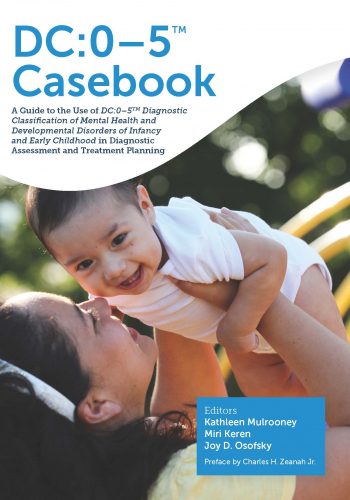
- Maintain the DC:0-5™ mental health diagnostic tool specifically for young children, helping infant mental health clinicians diagnose and treat mental health issues in young children.
- Provide infant mental health training for professionals to understand early childhood disorders.
- Promote our IECMH Consultation Cost Calculator, providing evidence-based and accurate estimations for infant and early childhood mental health consultation.
- Support the mental health of military families with our Military Family Projects team.
- Facilitate the IECMH Financing Policy Project to support states in developing policy and financing strategies that increase access to mental health supports.
- Each year, our LEARN Conference and trainings bring thousands of early childhood professionals and infant mental health specialists together to put infant and early childhood mental health at the forefront of their work.
Don’t miss our podcast that explores pregnancy, birth, trauma, and mental health and well-being in the earliest years of life.
Resources for Professionals
To help professionals, policymakers, advocates and families better understand infant and early childhood mental health, we’ve created IECMH Guiding Principles.
Here are more resources we offer:
- Exclusive content: For professionals, including trainers, therapists, educators, pediatric providers and others who professionally support babies and toddlers, we offer professional resources and access to programs and events.
- Bookstore: Early childhood professionals can find evidence-based resources, publications, handouts and books for everything necessary to support infants, young children and their families.
- Learning center: Early childhood professionals can elevate their knowledge, skills and abilities and meet dynamic industry requirements with our competency-based professional development and technical assistance.
Frequently Asked Questions
Yes. Babies and toddlers can experience anxiety, stress, and fear, even if they cannot describe those feelings in words. Signs may include excessive clinginess, sleep problems, irritability, trouble separating from caregivers or strong reactions to changes in routine. Early relationships and responsive caregiving help children feel safe and supported as they learn to manage emotions.
A baby’s mental health is shaped by relationships, daily experiences, and their environment. Responsive caregiving, stable routines, nutrition, sleep, and safe relationships all support healthy emotional development. Stressors like caregiver depression, trauma, family instability, poverty or chronic stress can affect a child’s developing brain and emotional well-being.
Mental health development begins even before birth and is shaped by their experiences and the mental health of their caregivers. From the earliest days, babies are learning whether the world feels safe, predictable, and nurturing through interactions with caregivers. These early experiences help build the foundation for emotional regulation, relationships, learning, and resilience later in life.
Parents should consider seeking support if a baby or toddler shows ongoing changes in behavior, struggles to connect with caregivers, stops using skills they previously had, experiences intense emotional reactions, or has feeding, sleep, or developmental concerns that interfere with daily life. Early support can make a meaningful difference for both children and families. A pediatrician or developmental specialist can help guide next steps.
Infant mental health focuses on the emotional, social, and developmental well-being of babies and young toddlers, generally from birth through age three. Early childhood mental health has a broader scope, encompassing children from birth through age five, including toddlers and preschoolers. Together, infant and early childhood mental health (IECMH) emphasizes the importance of nurturing relationships, healthy emotional development, and positive early experiences that support lifelong learning, resilience, and well-being.
Every child develops at their own pace, but persistent changes in behavior or emotions may signal a need for additional support. Early signs can include:
- Difficulty forming relationships with caregivers
- Frequent or intense sadness, fear, or irritability
- Ongoing sleep or feeding difficulties
- Delays in emotional regulation or calming after distress
- Loss of previously learned skills
- Limited interest in play, exploration, or interacting with others
If these concerns interfere with daily life or continue over time, talk with your child’s pediatrician or another qualified professional. Early support can make a meaningful difference.
Early childhood educators help support children’s mental health by creating safe, nurturing learning environments where children feel secure, valued, and supported. They promote healthy social-emotional development by:
- Building positive relationships with children and families
- Establishing consistent routines
- Encouraging learning through play and exploration
- Helping children recognize and manage emotions
- Observing development and sharing concerns with families when appropriate
Working together with families and other professionals helps ensure children receive the support they need to thrive.
Trauma can affect babies and toddlers even if they are too young to describe what happened. Stressful or frightening experiences may influence their emotional development, behavior, relationships, and developing brain. Some children may become unusually fearful, irritable, withdrawn, or have changes in sleep, eating, or play.
The presence of caring, responsive adults can help buffer the effects of trauma. With nurturing relationships and early support, many children can build resilience and continue developing in healthy ways.

Urge policymakers to prioritize infant and early childhood mental health and support healthy emotional development right from the start.

Distillation
What does trauma do to a baby’s brain?
Trauma can greatly impact the developing and vulnerable minds of young children aged 0-3. However, the impact of trauma can vary depending on some key factors.
Resource
Yes, Mental Health Includes Babies
The perinatal period and a baby's first few years of life are critical for lifelong mental health.

Distillation
What do mental health issues in young children look like?
Babies and toddlers can and do suffer from mental health problems caused by trauma, neglect, biological factors, or environmental situations.

Distillation
Buzzwords Explained: Compassion Fatigue
Working hard daily to meet the unique needs of individual children and their families, early childhood professionals are prime candidates for compassion fatigue.

Infant and Early Childhood Mental Health
Mental Health in the Earliest Years of Life
Our mental health journeys begin before we ever leave the womb and are bound up in the mental health of those who raise us.
Support infant and early childhood mental health
Attend a training, support our work by donating or become an advocate for policies that prioritize infant and early childhood mental health.
