
You’ve been saying “no” to your child’s requests for sugary drinks. You’ve carefully read labels in search of “100% fruit juice. All natural. No sugar added.” New recommendations from the American Academy of Pediatrics (AAP) say there’s more to be done.
Concerns about the role of fruit juice in tooth decay and childhood obesity have led to stricter guidelines for juice for babies and children—even when it’s 100% juice. The AAP now recommends that children under 1 year old should not drink fruit juice, and juice should be offered to older children in limited amounts. Here are the newest recommendations for 100% juice:
- Babies younger than 6 months should not drink fruit juice at all. When juice replaces breast milk or formula it can cause nutritional issues. For this age group, breastfeeding or formula is best.
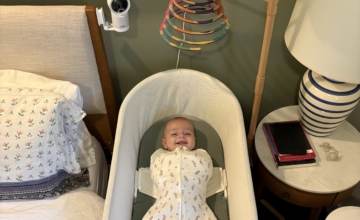
- Babies 6–12 months are still advised to avoid juice completely. It’s more nutritious to serve mashed or pureed fruit instead. If juice is needed for a medical reason, give it in a cup (not a bottle). Never put a baby to bed with a bottle of juice, because it can lead to tooth decay.
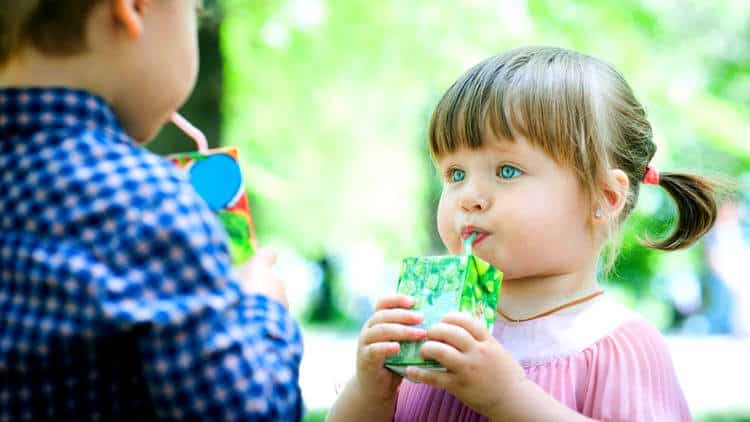
- Children 1–3 years should only have 4 ounces of juice a day. If serving it, give it in a cup along with meals or snacks. Continue to focus on whole fruit over juice.
- Children 4–6 years can have 4–6 ounces a day of juice, preferably with meals.
- Children and teens 7–18 years should drink a maximum of 8 ounces each day of juice.
Even though 100% juice seems like a healthier option than juice drinks or soda, it still has little to no nutritional benefit. Whole fruit is a much better option.
Also, avoid putting juice in sippy cups. Sippy cups make it easier to drink juice throughout the day and can decrease the intake of healthier foods, especially in young children. Even diluted juice increases the risk of cavities.
These AAP guidelines apply to children who fall within normal weight ranges. It is recommended that children who are overweight or obese eliminate 100% juice (as well as other sugary drinks) from their diets completely.
Start Healthy Habits Early
If children are used to sweet drinks and juices, they tend to want them more. If you help kids build a habit of drinking water on a regular basis, they’re less likely to request juice (or soda!) as they get older.