What's at Stake

Latest Updates on the Baby Agenda

Our federal policy team is deeply involved in shaping decisions that impact the well-being of babies and their families.

Get an inside look at our work to protect and advance the “Baby Agenda.”

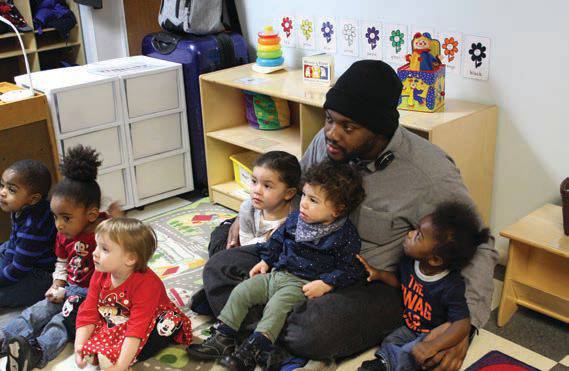
Early Head Start

The foundation for lifelong learning is built during the critical early years.

The facts:

  • Two signature early learning and childcare programs are Head Start and Early Head Start. More than 800k children are served by Head Start.
  • Early Head Start is the only federal program dedicated to comprehensively promoting healthy child and family development for pregnant women, infants, and toddlers living in families with incomes below the poverty line.
  • Research has shown that Head Start impacts children in a range of areas related to their development, from supporting early cognitive gains to health, social and emotional development in adolescence.

A newly proposed rule would eliminate key Head Start and Early Head Start requirements that help get and keep babies on track.

These changes would weaken one of our nation’s most effective, high-quality programs for babies, young children, and families facing the greatest barriers.

Healthcare Access

Medicaid is the largest source of health insurance for children in families with low income.

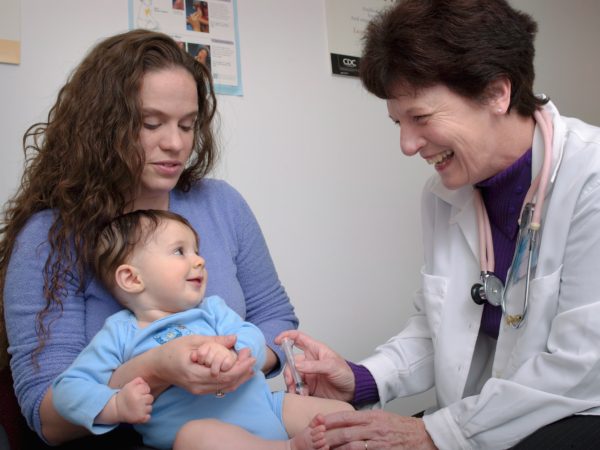
doctor gives shot to baby

The facts:

  • Medicaid currently finances over 42% of all US births.
  • 44% of babies and young children in American receive their healthcare through Medicaid.
  • Medicaid ensures millions of children receive essential care including prenatal care, screenings, sick and well-child visits, dental care and vaccines.Ā 
  • Babies who have access to Medicaid have better health outcomes as adults, including better health, educational attainment and higher earnings. Disruptions to Medicaid mean disruptions to care, forcing families to bear the burden.

Family Separation

One of the most traumatic experiences a baby or toddler can have is separation from a primary caregiver.

The facts:

  • As many as 5.5 million children who are US citizens live in mixed-status households.Ā 
  • 1.6 million of these children are under the age of 5.
  • Another 360,000 children who are US citizens are born to parents with Temporary Protected Status.

Early Childhood Poverty

Across the UnitedĀ States,Ā farĀ too many children experience poverty and economic hardship, with millions of babies facing economic barriers to a strong start in life. Ā 

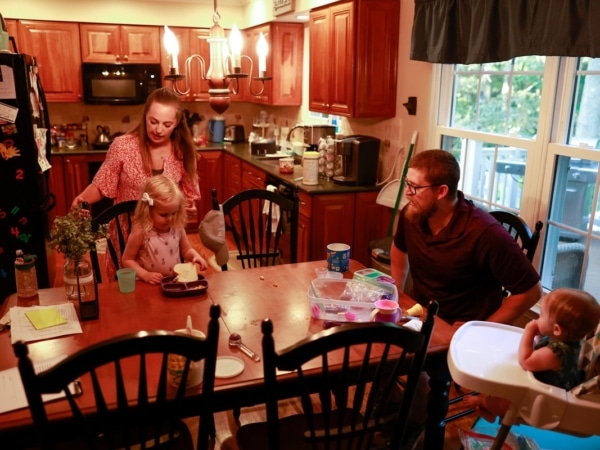
Family at the dinner table with a toddler and a baby

The facts:

  • Approximately 1 in 6 infants and toddlers in the United States (16.6%) were in families living in poverty, making them the age group with the highest rate of poverty. Ā 
  • Over 1 in 3 babies and toddlers were in families that struggle to make ends meet. Ā 
  • Half of babies living in poverty live in deep poverty, or below $15,600 annually for a family of four. Ā 
  • More babies in rural areas (1 in 5) and who are Black or Indigenous (about 1 in 3) are living in poverty compared to other groups.Ā 

Food Security

Proper nutrition during early childhood lays the foundation for lifelong health.

mom buys apples at grocery store

The facts:

  • An estimated 4.5 million children ages 0-4 participate in the Supplemental Nutrition Assistance Program (SNAP).
  • Nearly 62% of SNAP participations are families with children.Ā 
  • In 2023, nearly 14 million children in the US did not have enough food to eat.

Share Your Story With Us

How do the actions of the administration affect you or the families you serve?

Millions of babies and their families benefit from services and programs funded through federal grants, including for health care, nutrition assistance, child care and early learning, housing, and more.

Help us elevate your story to let Members of Congress know what babies and families need to thrive.