Promoting Early Development: Building a Strong Foundation
The first three years set the stage for lifelong success.
During the earliest months and years of life, the architecture of the brain is being built at an unparalleled rate in response to nurturing early experiences. Caring adults have a wonderful opportunity to foster feelings of trust and safety in babies, which helps toddlers establish a sense of self and become confident explorers.
Research shows that, to ensure a good start in life, all infants and toddlers need good health, strong families and positive early learning experiences.
Jump To:
Child development is greatly affected by the mental health of the adults who care for them.
Developmental milestones
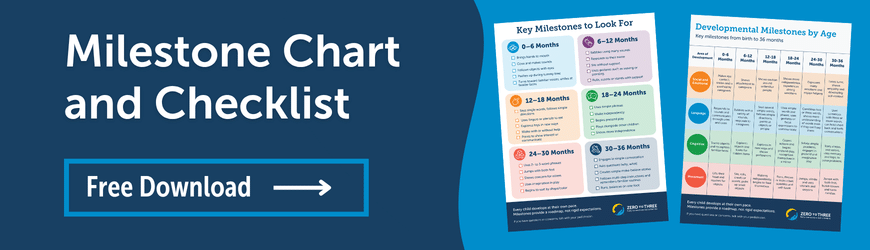
Primary caregivers must be responsive, consistently meet their child’s needs and ensure they reach various developmental milestones at the right age. Here are the most critical milestones in infant development:
Speech and language development: These milestones include various forms of communication, from crying to constructing simple sentences.
Movement and physical development: Movement milestones from birth to three years old usually include rolling over, crawling, walking and running.
Cognitive development: Early childhood cognitive growth often consists of problem-solving and thinking, such as sorting shapes and following instructions.
Using evidence-based frameworks, we create resources for parents, professionals and policymakers to support early childhood development. Our team of experts raises awareness among parents and providers about the importance of early intervention services.
Safe Babies™: The approach of this initiative is to prevent maltreatment and neglect of babies and toddlers to keep families together during these critical formative years of a baby’s life.
Military Families: Through an app and resources, we help military families and professionals support and care for babies and toddlers of deployed parents, who are more vulnerable to mental health issues.
16-18%
Approximately 16% to 18% of children have disabilities or developmental delays.
6x
Infants and toddlers who have been maltreated are six times more likely than the general population to have a developmental delay.
1 in 3
1 in 3 infants and toddlers who received early intervention services did not later present with a disability or require special education in preschool.
Here are a few ways we equip parents, early childhood development professionals and policymakers with the latest research on early development science:
Want to learn more about early brain development? We have trainings for that.
The Growing Brain: From Birth to 5 Years Old curriculum, led by Katrina Macasaet, helps early childhood professionals explore the science of brain development.
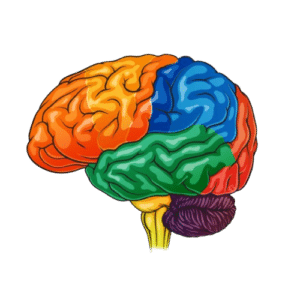
Our “Baby Brain Map” is designed to educate parents, caregivers, and early childhood professionals about the critical stages of brain development in young children from birth to three years old.
This tool provides an engaging, user-friendly way to explore how babies’ brains grow during these formative years, emphasizing the impact of experiences, relationships, and environmental factors on neural development.
The journey from sounds to language is an intricate process that begins in infancy. Learn about the ways infants begin to translate sounds to language.
Explore our science-based resources, attend events and advocate for policies that support early intervention and family engagement so we can ensure every child receives the strong start they deserve. Get involved today or explore our comprehensive resources for more.