
I did not look like the stereotype of someone in crisis. I was functioning. Yet internally, I was struggling every day.
McKenzie, Wisconsin
I Never Thought It Would Be Me
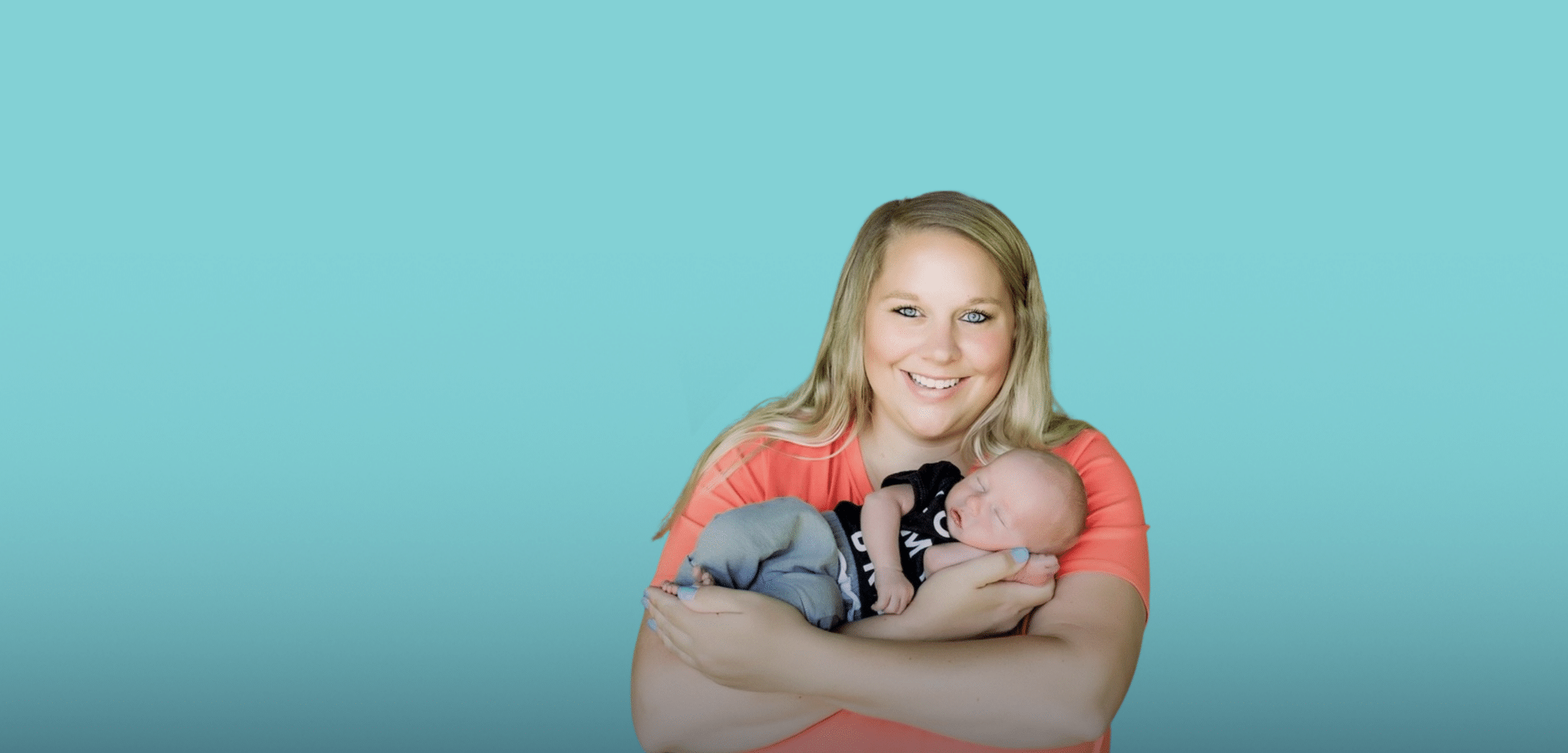
I am a social worker, a mother, and someone with lived experience of perinatal mental health challenges.
Before becoming a parent, I spent years supporting vulnerable families. I understood mental health. I knew the warning signs. I believed that if I ever struggled, I would recognize it.
I was wrong.
Feeling Trapped
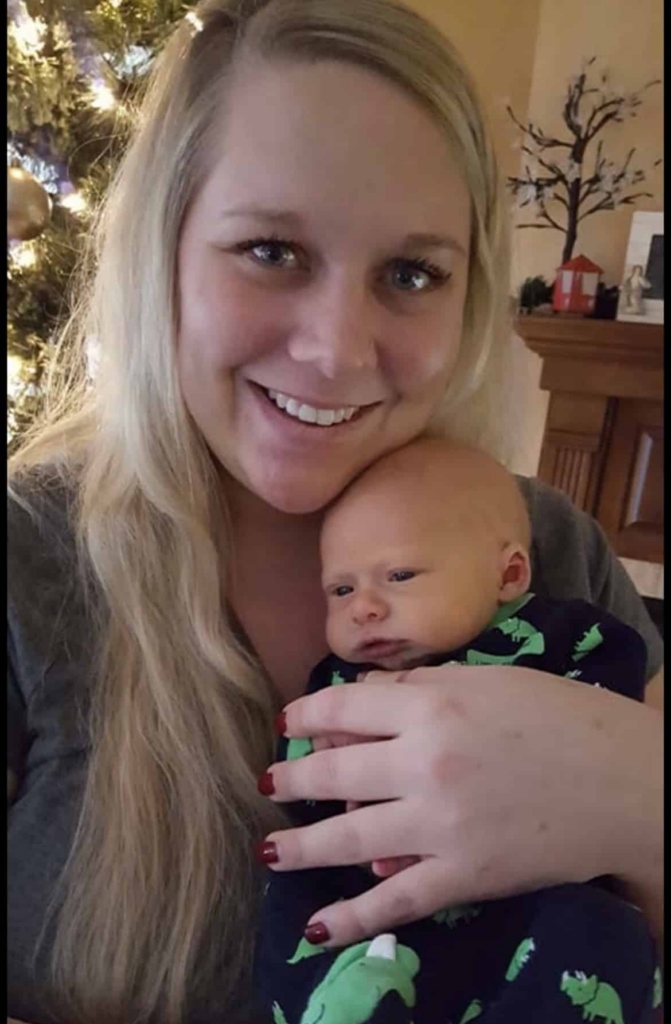
During pregnancy and after the birth of my child, I experienced severe anxiety and obsessive-compulsive symptoms. What I expected to be a joyful transition into motherhood became a season filled with fear, intrusive thoughts, constant worry, and overwhelming pressure. I loved my baby deeply, yet I often felt trapped by anxiety and convinced that something terrible might happen.
What surprised me most was how difficult it was to identify what I was experiencing. I was caring for my baby, showing up for work and for my family. Yet internally, I was struggling every day.
My recovery began when I found education, support, and people who understood what I was going through.
Learning I Wasn't Alone
Like many parents, I felt ashamed and isolated. I questioned whether I was a good mother and spent valuable time suffering in silence because I did not realize I was experiencing a common and treatable perinatal mental health condition.
“My recovery began when I found education, support, and people who understood what I was going through.”
Learning that I was not alone changed everything. Access to appropriate resources helped me move from surviving to thriving.
Today, my lived experience fuels both my personal and professional mission. I support pregnant and postpartum families, lead peer support groups, and advocate for greater awareness of perinatal mental health.
As a trained social worker, I had knowledge, education, and access to resources, yet I still struggled to recognize what was happening and ask for help. If it can happen to someone like me, it can happen to anyone.
Why This Matters
Maternal mental health during pregnancy and the first year postpartum plays a critical role in the health and development of both parent and child. When parents are struggling with untreated anxiety, depression, OCD, or other perinatal mental health conditions, the effects can ripple throughout the entire family, affecting bonding, attachment, parental confidence, and a child’s earliest experiences.
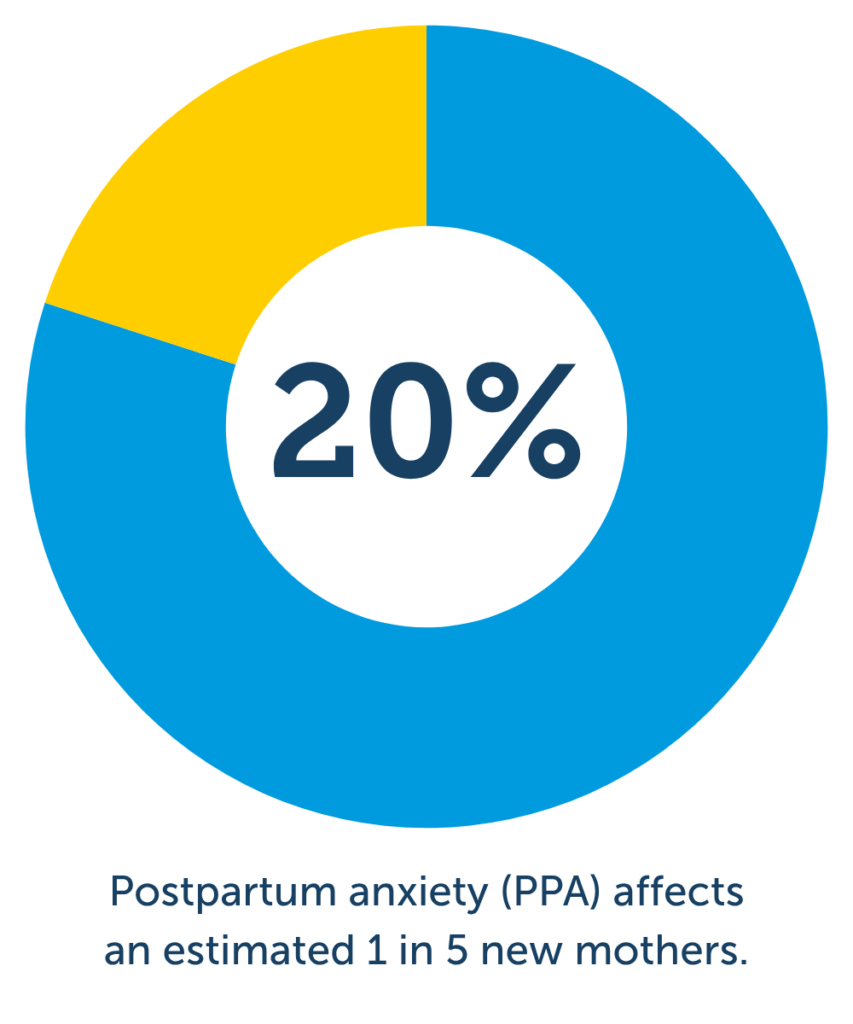
Yet far too many families face these challenges alone. One in five women experiences a perinatal mental health condition, and about 75% go untreated. Despite their prevalence, these conditions remain underrecognized, underfunded, and underserved.
“As a trained social worker, I had knowledge, education, and access to resources, yet I still struggled to recognize what was happening and ask for help. If it can happen to someone like me, it can happen to anyone.”

Believing in Babies Means Believing in Parents
I share my story because perinatal mental health is not only a maternal health issue. It is an infant mental health issue, a family well-being issue, and a public health issue. When we invest in screening, education, treatment, and support for parents, we are also investing in the healthy development of babies.
Every parent deserves to be seen, supported, and connected to help. Every baby deserves a caregiver who has the resources they need to thrive.
Other Stories

The Space Between Concern and Qualification
Read the Story
We Know What Families Need, But Policies Still Fall Short
Read the Story
Helping Every Keiki Shine
Read the Story
From Grief to Growth
Read the Story
Where Care Extends Beyond the Checkup
Read the Story
Breathing Again: How Child Care Helped My Family Move Forward
Read the Story
Raising Mason, Raising My Voice
Read the Story
Teaching Safety Before Fear
Read the Story
Time to Heal Is Time to Thrive
Read the Story
A Journey I Never Expected to Walk Alone
Read the Story
Policy Should Support Families Building a Future
Read the Story