
The research is clear: stable, bonded caregiving matters in these early months.
Clara, Pennsylvania
We Know What Families Need, But Policies Still Fall Short
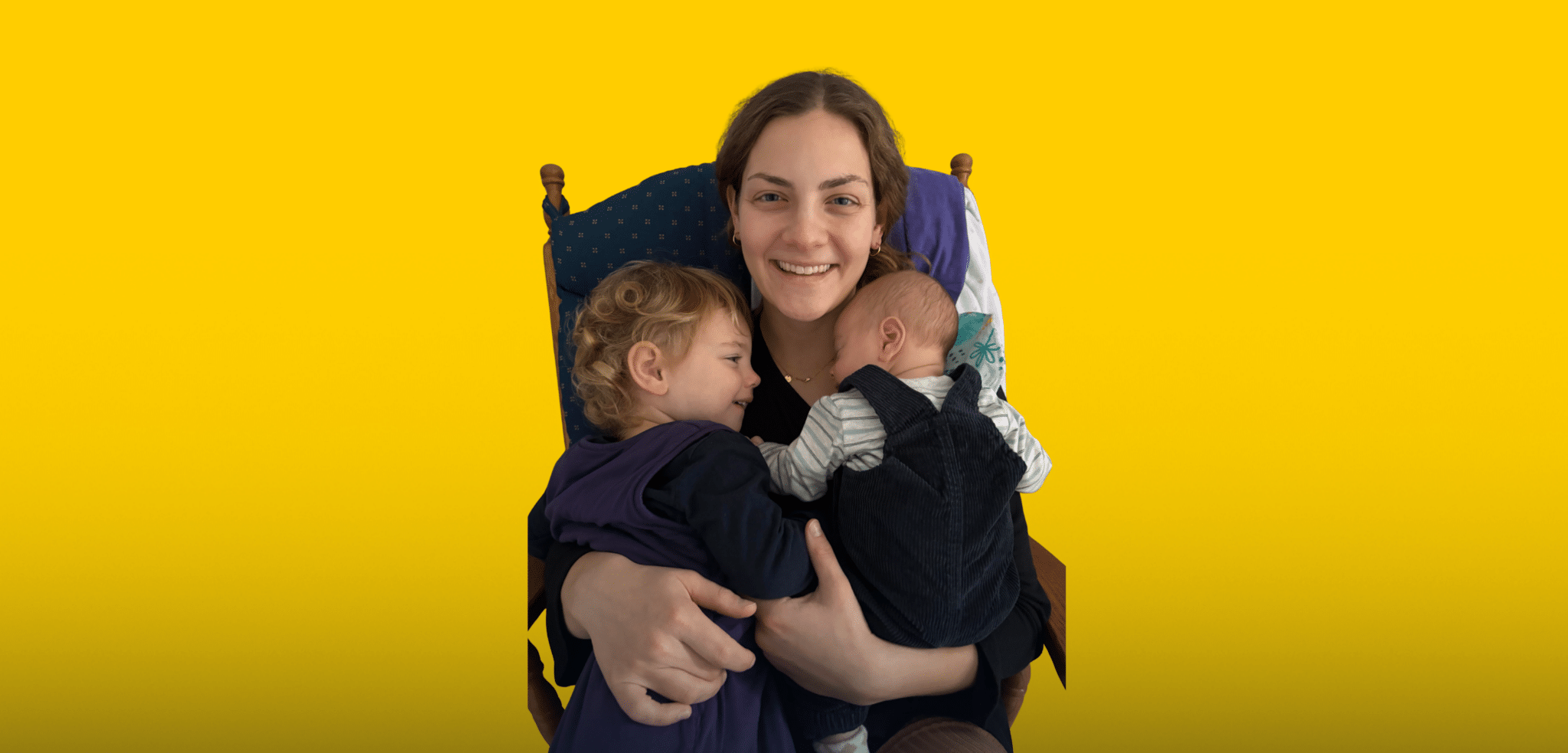
As a maternal and child health researcher, I spend my days producing evidence that policymakers can use to improve the lives of families with young children.
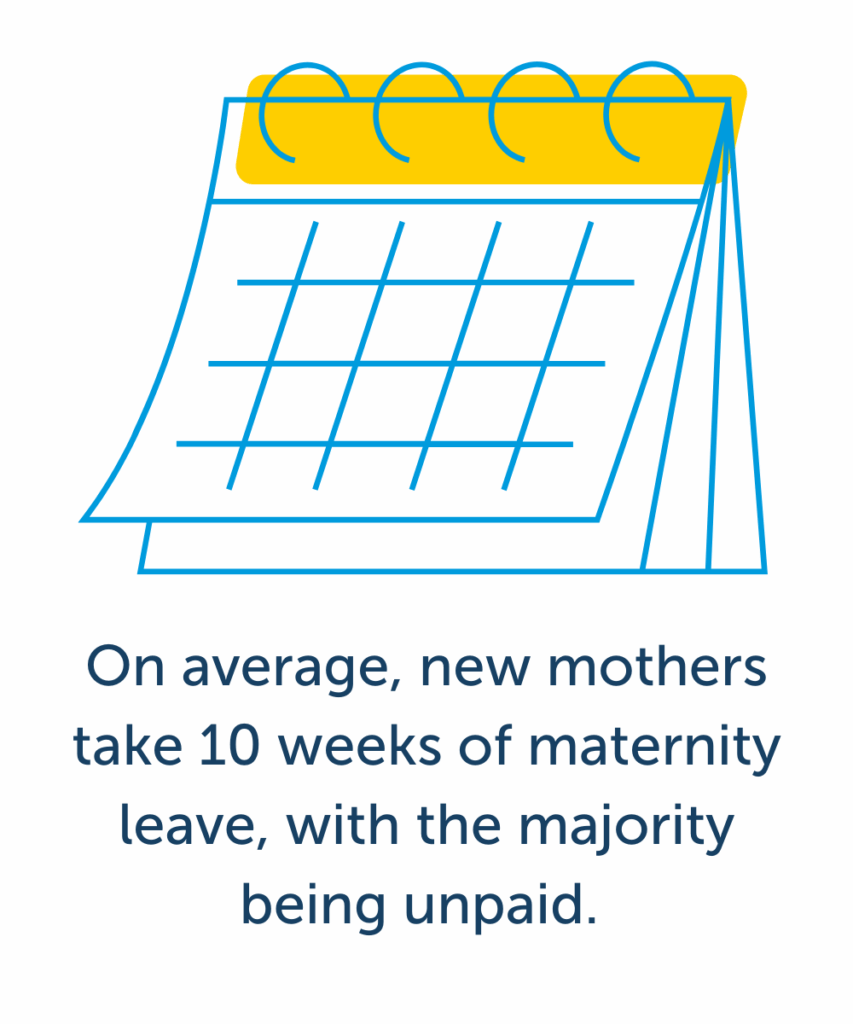
But when my son Freddy was born, I got only six weeks of paid parental leave. My husband, Kyle, and I staggered our leave. We used every vacation day and sick hour and stretched that time to about six months.
When Family Leave Ends Before a Baby Is Ready
When Freddy was not even 4 months old, I went back to work. Pumping breast milk at my desk, I research how to keep mothers and babies healthy while my own baby and I are apart. Freddy is little. He nurses for several hours a day. He wakes up during the night. He doesn’t crawl yet. He doesn’t talk. He is completely dependent on the people who care for him.
My husband Kyle’s paternity leave recently ended, and I am doing my full-time remote research job while Freddy is in the care of someone I have only just met and am still learning to trust.
Two States, Two Very Different Experiences
When we were PhD students in North Carolina, a university-supported childcare scholarship covered nearly all of Willa’s care at a five-star center. It saved our family close to $20,000. Because of that support, we could have Willa when we did. We could finish our degrees. That is what investment in early childhood looks like in real life. It makes families possible.
Now we live in Philadelphia, where we are both postdoctoral researchers. This year, we will spend $35,000 on child care for our two kids. That is more than our rent. We can cover it, but we are pausing our financial future. We are not buying a home. We are not contributing to retirement.
Pennsylvania has no paid parental leave policy. New Jersey does. New York does. Delaware does. Maryland does. The research is clear. The need is clear. There is strong bipartisan support for paid parental leave and affordable childcare, but Pennsylvania has not taken action.
This year, we will spend $35,000 on child care for our two kids. That is more than our rent.
Babies Can't Wait
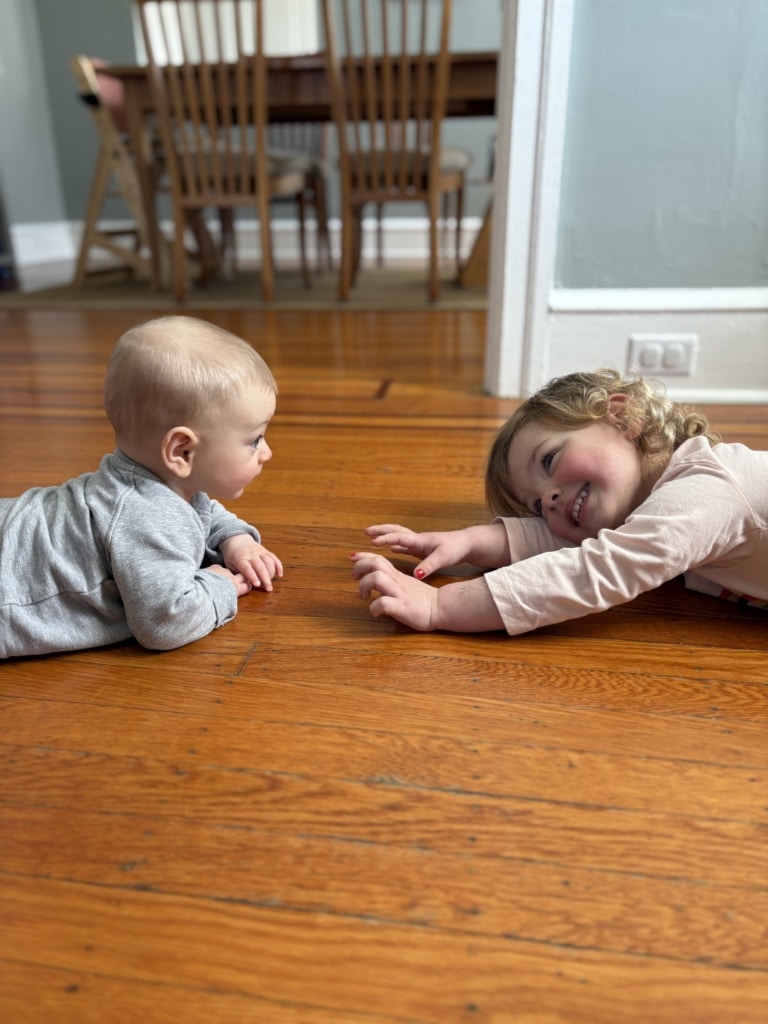
Meanwhile, Freddy lights up around 3-year-old Willa. And that is what these policies are about—time, stability, and the foundation children need in their earliest months.
Families aren’t getting enough of it.
Other Stories

I Never Thought It Would Be Me
Read the Story
The Space Between Concern and Qualification
Read the Story
Helping Every Keiki Shine
Read the Story
From Grief to Growth
Read the Story
Where Care Extends Beyond the Checkup
Read the Story
Breathing Again: How Child Care Helped My Family Move Forward
Read the Story
Raising Mason, Raising My Voice
Read the Story
Teaching Safety Before Fear
Read the Story
Time to Heal Is Time to Thrive
Read the Story
A Journey I Never Expected to Walk Alone
Read the Story
Policy Should Support Families Building a Future
Read the Story