

Choose a resource below to begin your Spring Reset—watch, explore, and reflect at your own pace.
Rethinking Discipline: Breaking Generational Patterns in Parenting
In this clip, watch how a parent reflects on her own upbringing and works to approach discipline differently with her child.
Watch a powerful example of the challenges involved in breaking generational patterns while staying intentional about parenting choices.
After watching the video, we encourage you to:
- Check in with self: What came up for you as you watched?
- Consider advice or guidance: What advice would you give this mom? What would you say to this mom if you could?
- Reflect: What would you add to the important points this mom mentions–about the struggle she faces in being aware of her own upbringing and trying hard not to repeat unhealthy patterns?
- Explore in practice: How might you use a video like this with families? What questions might you ask to foster discussion about limit-setting and generational patterns?
Innovations from Pediatrics Supporting Parents (PSP): Reimagining Pediatric Care
What does it look like when clinicians, families, and funders come together to reimagine pediatric care?
Pediatrics Supporting Parents (PSP), a national initiative, set out to explore this question in partnership with five Proof Point Communities (PPCs) across the country. The recently launched PSP webpages bring together what they’ve learned and the impact their work is having on the families they serve, highlighting how well-child visits can become meaningful opportunities to strengthen early relationships and support family well-being.
We encourage you to explore the PSP Innovations Library, which features real-world solutions—searchable by topic area and clinic type—drawn from these five communities. The site also shares PSP’s origin story, highlights its distinctive approaches to clinical practice, family partnership, and governance, and offers more information about each PPC. After your exploration of the PSP Innovations Library, we encourage you to:
- Checking in with self: What stood out to you as you explored this library? What thoughts or reactions did you have about the approaches and ideas presented?
- Advice/guidance: What guidance from this library would you prioritize when supporting families? How might you share or translate these ideas into practical advice for caregivers?
- Reflecting: What would you add to the key themes in this library about innovation in supporting young children and families? How do these ideas connect to your own experiences or beliefs about effective practice?
- Professional Use: How might you use this library in your work with families or colleagues? What questions could you ask to encourage discussion about trying new approaches and adapting practices to better meet families’ needs?
Policy: Supporting Systems-Level Change for Infants, Toddlers, and Families
The collection of policy and system resources highlight innovative strategies designed to improve outcomes for young children and their families.
From addressing infant and toddler homelessness through the Thrive From the Start policy agenda to expanding access to high-quality child care, these tools offer practical examples and evidence-based approaches from states across the country. Together, they provide guidance for leaders and professionals working to strengthen early childhood systems and ensure all families have the support they need to thrive.
From birth every child needs a stable place to call home. A safe place to play, learn, and grow is critical to supporting early childhood development. Yet an estimated 450,000 infants and toddlers experience homelessness each year. Thrive From the Start is a network of leading organizations across the early childhood, housing, and homelessness systems dedicated to ensuring all expectant parents, infants, toddlers, and their families have the resources and opportunities to thrive. This tool provides state examples and national resources to support the Thrive from the Start’s policy agenda.
To help state decisionmakers solve infant and toddler child care supply issues, we reviewed the early care and learning landscape across the country and collected examples of how states are working to increase supply in ways that best support the health and safety of our youngest children. This brief highlights the top 10 strategies we found in our scan. For detailed examples of how states are implementing each of these strategies, visit our Infant and Toddler Child Care Supply Building Strategies: A 2025 Baby Book Extra. After exploring these policy and systems resources, we encourage you to:
- Checking in with self: What stood out to you as you reviewed these resources? What reactions did you have to the challenges and solutions presented?
- Advice/guidance: What key strategies or ideas from these resources would you prioritize when advising policymakers or supporting families? How might you translate these insights into actionable guidance?
- Reflecting: What would you add to the approaches highlighted here around housing stability and child care access? How do these strategies connect to your own experiences or understanding of supporting infants, toddlers, and families?
- Professional Use: How might you use these resources in your work or advocacy efforts? What questions could you ask to spark discussion about policy
Professional Innovations: Understanding Early Emotional Development
This activity, part of the ZERO TO THREE Critical Competencies for Infant–Toddler Educators™, invites you to observe how very young children respond to emotional exchanges between adults.
Through a short video and guided reflection questions, you can see how infants pay attention to and interpret emotional cues, an essential foundation for social and emotional development.
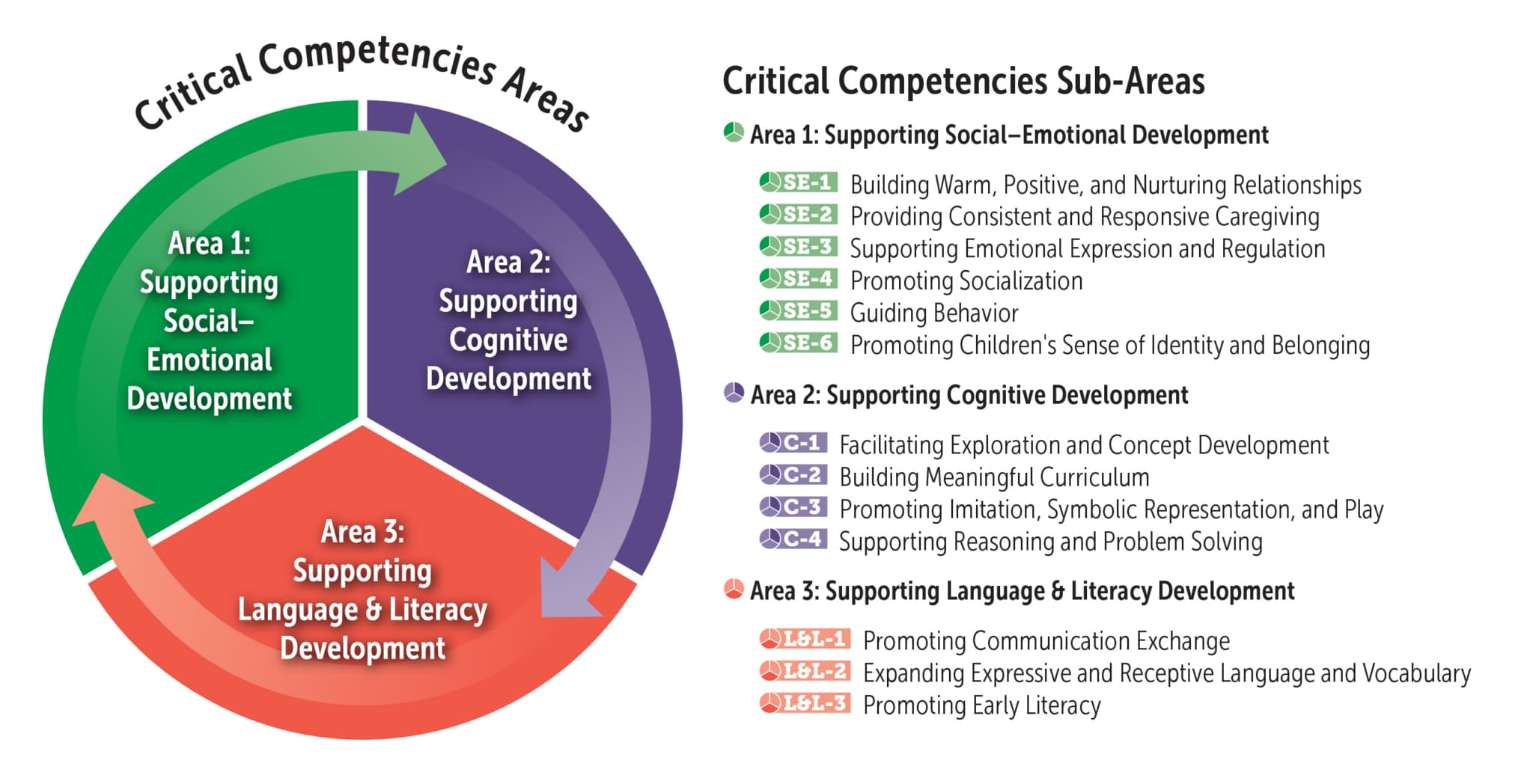
The Critical Competencies for Infant–Toddler Educators™ is a research-based curriculum that defines the knowledge and skills needed to support social-emotional, cognitive, and language and early literacy development. Offered by ZERO TO THREE as one of its professional development options, the Critical Competencies support educators, coaches, trainers, and higher education faculty with practical tools, activities, and learning experiences to strengthen their work with babies, toddlers, and their families.
After watching the video, you’ll reflect on the child’s attention and reactions, consider implications for your own setting, and deepen your understanding of how children learn about emotions through everyday interactions, consider the following questions:
- Checking in with self: What did you notice about the child’s attention across the different phases of the interaction? What stood out to you as you observed the child’s behavior?
- Advice/guidance: How would you explain the child’s response to someone unfamiliar with child development? What guidance might you offer to support children’s attention and emotional understanding?
- Reflecting: Were you surprised by the child’s response? Why or why not? What does this suggest about how young children interpret emotional cues?
- Professional Use: How might this observation apply to your program? What strategies could you use to support children’s social and emotional development based on what you observed?
HealthySteps: Resource for Talking with Families About Vaccines
HealthySteps, a program of ZERO TO THREE, is an evidence-based pediatric primary care model that supports the healthy development of babies and toddlers by integrating a child development specialist into the care team.
The HealthySteps approach helps identify concerns early, strengthens relationships between families and pediatric providers, and offers guidance on topics like development, behavior, and family well-being during and between well-child visits.
HealthySteps created a resource for professionals and families that provides practical guidance to commonly asked questions about vaccines. The reviewed and research-based responses can be used in conversations, to build trust and support open dialogue. It emphasizes listening to parents’ concerns, sharing accurate information, and responding in a respectful, nonjudgmental way, helping families make informed decisions about their child’s health.
- Checking in with self: What stood out to you as you reviewed this resource? What thoughts or feelings came up for you about how vaccine conversations are approached with families?
- Advice/guidance: What key messages or approaches from this resource would you use when responding to caregivers’ questions about vaccines? How might you communicate this information in a clear and supportive way?
- Reflecting: What would you add to the strategies shared here about building trust and addressing concerns? How do these approaches align with your own experiences talking with families about health topics?
- Professional Use: How might you use this resource in your work with families or colleagues? What questions could you ask to foster open, respectful conversations about vaccines and support informed decision-making?
Related Resources

Open Letter
Why Home Visiting Is More Essential Than Ever
In this open letter, Dr. Meghan López focuses on how relationship-based home visiting supports families by building trust, addressing complex needs, and strengthening systems around them.

Article
3-Month-Old Milestones: What to Expect From Your Baby
Babies and toddlers can and do suffer from mental health problems caused by trauma, neglect, biological factors, or environmental situations.
