
Twenty years ago, I noticed the empty chairs. Today, I notice the filled ones.
Terreca, Washington
Today, I Noticed the Filled Chairs
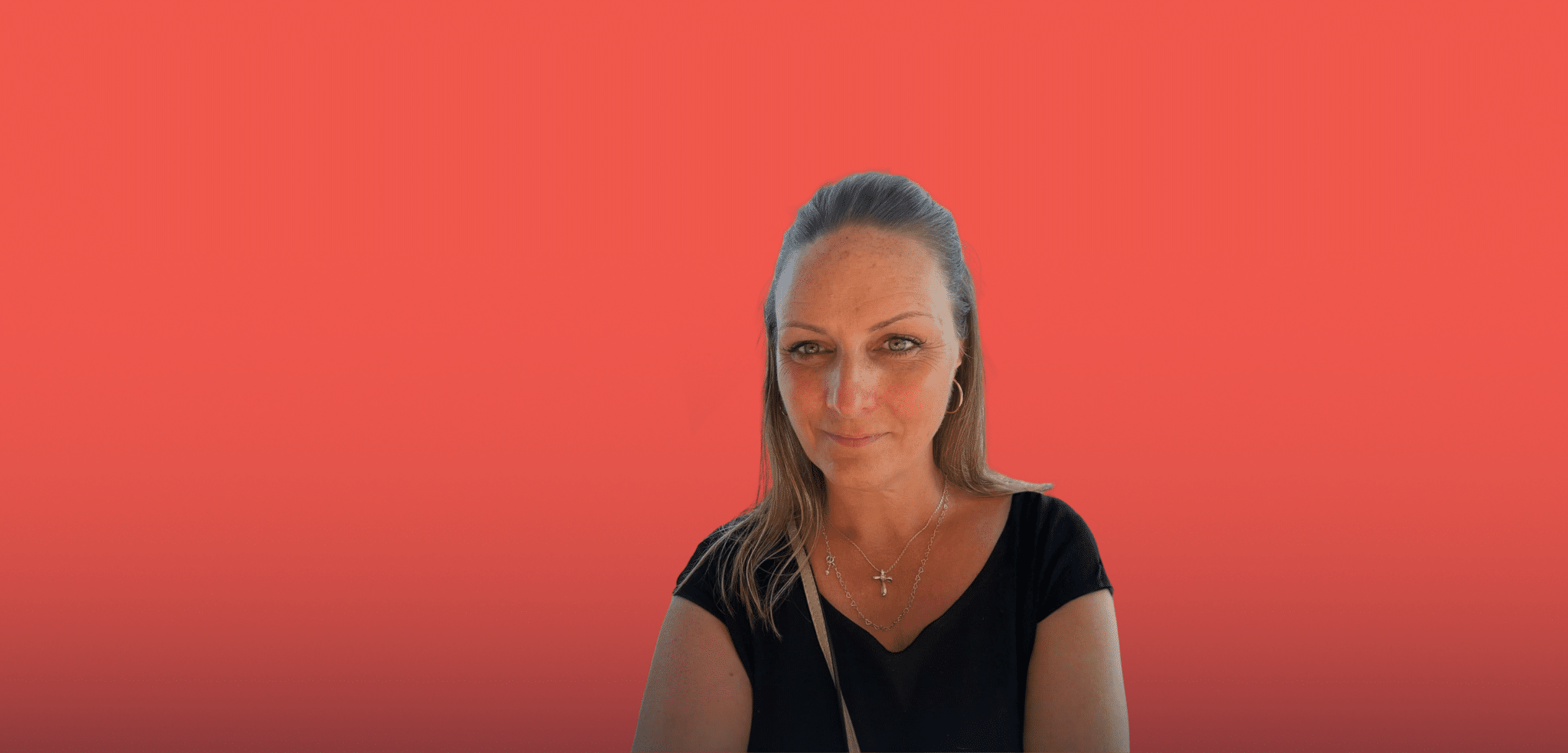
I am a mother of three. My two youngest children were the ones involved with the child welfare system.
There are parts of that time I can still feel in my body. The day my children were removed is embedded in me. I remember the smell of that day. I remember the grief, the shame, the guilt. Then, after that, there are weeks I barely remember at all.
My children were separated. One was placed with family. One was placed in foster care. Back then, there was no parent leader sitting beside me, no one who had walked through the system and could say, “I know this feels impossible, but you are not alone.”
At first, I did not think I would make it through. I had lost my children, my home was at risk, and my life had fallen apart in a way I did not know how to repair. Then my grandpa showed up for me. He was my best friend, and when he told me I could stay with him if I got engaged with what was happening, it was a relief.
Soon after, I went for a substance use evaluation. I remember the person doing the evaluation being excited for me because I had a clean date. I did not even know what that meant yet. I just remember thinking, “This is weird. Someone is happy for me.”
That moment stayed with me. Someone saw the possibility in me before I could see it in myself.
A Moment That Changed Everything
After treatment, I had my first visit with one of my children. I had to learn how to navigate multiple bus systems, different cities and different counties just to get to visits. I was late, and I was sobbing when I arrived at the child welfare office.
Everyone had always told me not to cry. Don’t cry in meetings. Don’t cry in front of your children. Don’t cry.
But the worker came out and said, “I know you want to see your son. It’s okay that you’re crying, but just smile so he knows everything’s okay.”
For the first time, I felt humanized
I was allowed to have an emotional experience and still be a parent. I was allowed to grieve and still show up. That moment changed something in me.
Later, my attorney told me the odds were not in my favor. He said, “You’re going to have to make it so they can’t tell you no.” I did not know what that meant, but I decided I was going to figure it out.
So I did everything. I went to every free class I could find. I navigated two counties. I completed services. I went back to school and got my GED. I worked toward housing. I kept showing up.
Eventually, I reunified with my children.
Someone saw possibility in me before I could see it in myself.
From Reunified Parent to Parent Leader
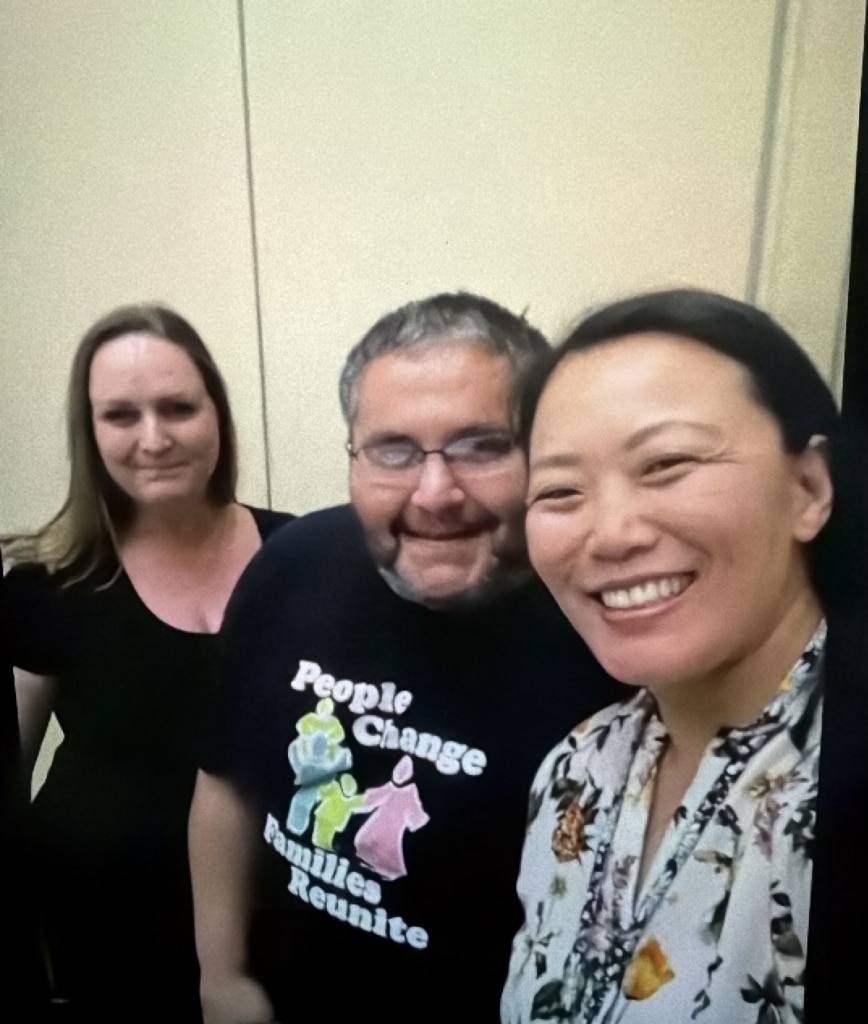
During reunification, I was invited to share my story on a panel. Soon after, I attended my first meeting as a parent who had experienced child welfare involvement.
I walked in excited, hopeful and, if I’m honest, pretty unaware.
As people arrived, a few professionals came up to me and asked who I was with. With pride in my voice, I said, “I’m a reunified birth parent.”
They smiled, nodded politely and walked away.
When the meeting began, I sat in a room with empty chairs next to me.
This continued for months.
Back then, it was unheard of for a parent whose child had been removed to be sitting at those tables. I did not yet have the education or language to recognize the stigma and bias that were present. I just knew something felt off.
Rather than leave, I started inviting other parents like me to come with me.
I did not know it then, but that was the beginning of my work as a parent leader. We were showing up with no roadmap. There were no formal roles, no clear pathways, sometimes not even compensation. It was mostly sweat equity. But we kept showing up because we knew parents needed support the way we wished we had been supported.
What Safe Babies Made Possible
Years later, I learned about Safe Babies through the Spokane, Washington Safe Babies Coordinator. She invited me to join a group attending a convening in Chicago. That was where I met other parents with lived experience who were doing this work.
I started to see something different.
Through Safe Babies and ZERO TO THREE, I found spaces where parents were not just invited to tell their stories and leave. Parents were being asked to help shape the work. Their experiences were treated as expertise. Their voices were part of the learning, planning and decision-making.
I also learned about reflective practice, and I remember thinking, “This is my vibe. This is what we have been talking about.”
Reflective practice gave language to something parents have always known: this work is emotional. It is not just showing up to a meeting or sitting on a panel. It is the preparation, the memories that come back, the feelings that may surface days later. It is the emotional labor of turning someone else’s pain into guidance.
Now, in my work, I try to create the conditions I wish every parent had. When parents share their stories or participate in panels, we prepare, we debrief, and we offer reflective support. We compensate their time. We recognize that the parent’s voice should not come at the expense of the parent’s healing or family.
That is what Safe Babies looks like in practice to me: not just asking parents to participate, but making sure they are supported when they do.
The Filled Chairs
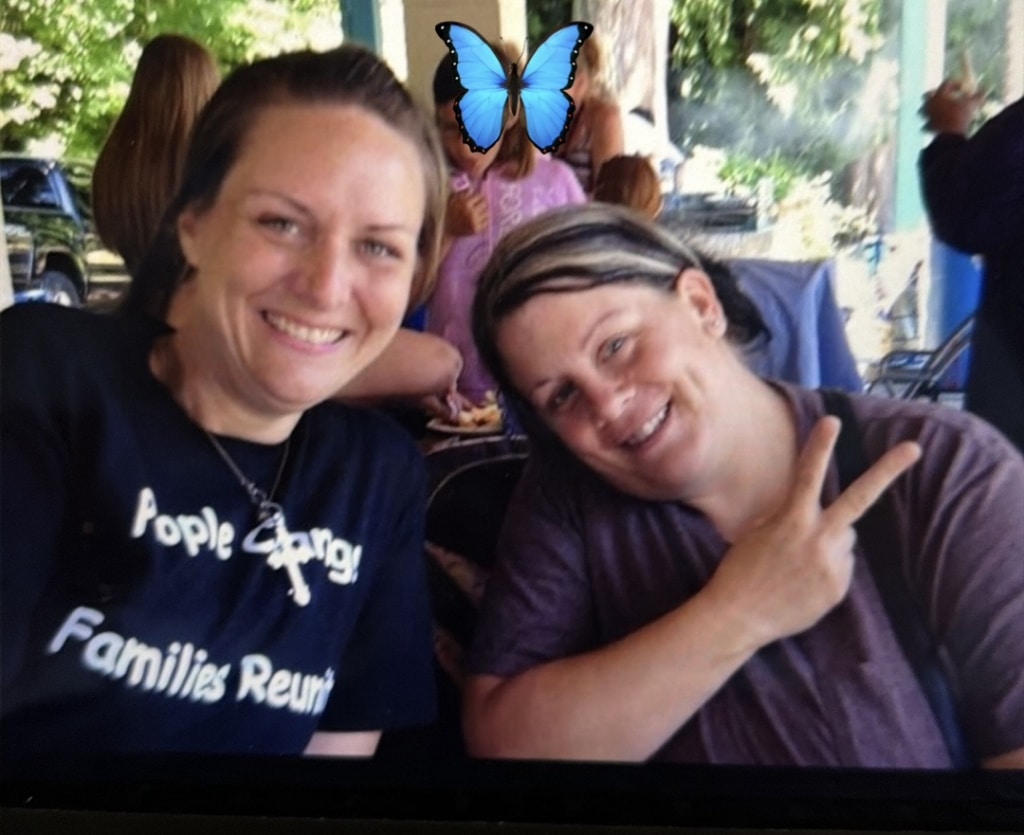
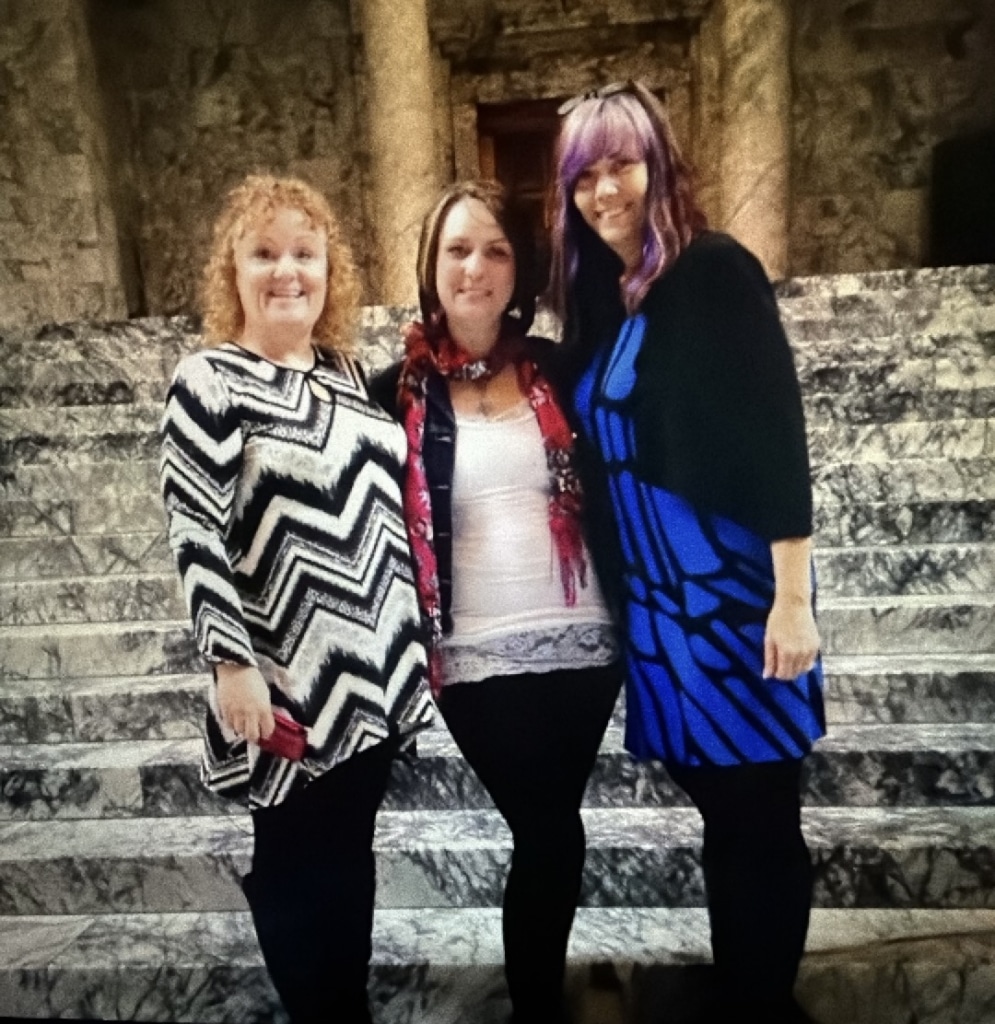
Nearly 20 years after I first sat beside those empty chairs, I found myself at the Parent-to-Parent Leadership Collaboration.
On the second day, we were asked to reflect on the day before, and that old memory came back to me immediately.
I looked around the room, and every chair was filled.
Each table included parents and a Safe Babies team member. There was conversation, connection, laughter, admiration and genuine curiosity. There was a sense of belonging and mattering that I could feel.
That is when I realized why the memory had surfaced.
Twenty years ago, I noticed the empty chairs. Today, I notice the filled ones.
Those filled chairs represent more than attendance. They represent parents being welcomed as partners instead of observers. They reflect years of parents continuing to show up and organizations intentionally making room for lived experience. When parents have a seat at the table, families, communities and the systems that serve them are stronger.
No parent should have to work five times harder just to prove their worth as a human being, much less as a parent.
Believing in Babies Means Believing in Parents
Too often, families are focused on proving themselves to a system instead of receiving the support they need. Safe Babies reminds us that babies thrive when parents are supported, not shamed, and that lived experience belongs at the table.
I never planned to come back to this work, but now, when I see rooms filled with parents, I know what those chairs represent.
They represent belonging. They represent hope. And they remind me that every family deserves someone who believes change is possible.
They mean we are no longer asking parents to stand outside the conversation.
They mean parent voice is becoming part of the foundation.
Other Stories
I Never Thought It Would Be Me
Read the Story
The Space Between Concern and Qualification
Read the Story
We Know What Families Need, But Policies Still Fall Short
Read the Story
Helping Every Keiki Shine
Read the Story
From Grief to Growth
Read the Story
Where Care Extends Beyond the Checkup
Read the Story
Breathing Again: How Child Care Helped My Family Move Forward
Read the Story
Raising Mason, Raising My Voice
Read the Story
Teaching Safety Before Fear
Read the Story
Time to Heal Is Time to Thrive
Read the Story
A Journey I Never Expected to Walk Alone
Read the Story
Policy Should Support Families Building a Future
Read the Story