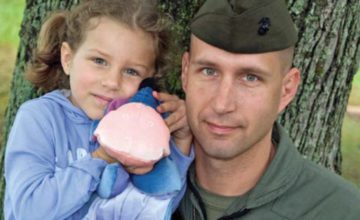
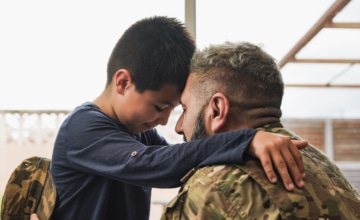
Why Military Families Need Specialized Support
The Military Family Projects Team at ZERO TO THREE works to develop resources and tools that support the health and development of infants, toddlers and their families.
Military families often experience circumstances that civilian families may not, including:
- Deployments and long separations
- Frequent moves (PCS)
- Changes in caregivers
- Reintegration after deployment
- Combat and operational stress
- Transitioning from military to civilian life
These transitions can affect parents’ well-being, young children’s development, and family relationships. Babies and toddlers may not understand why routines change, but they can sense changes in the people and environments they depend on.
Whether you’re a parent looking for guidance or a professional supporting military-connected families, ZERO TO THREE offers research-based resources to promote strong relationships, support infant and early childhood mental health, strengthen parenting, and help every young child thrive.
Military Families by the Numbers
20
Approximately 20 million veterans and active-duty service members live in the United States.
8%
About 8% of children served by early childhood programs come from military-connected families.
2-3
Military families relocate every 2–3 years, often disrupting support systems, child care, and routines.
↑
Children in military families experience higher rates of stress during deployments and family transitions.
Source: Sogomonyan, F. & Cooper, J. L. (2010). Trauma faced by children of military families: what every policymaker should know. National Center for Children in Poverty.
Explore Our Military Family Resources
For more than two decades, ZERO TO THREE has partnered with military families and the professionals who support them, translating research into practical, trusted guidance for the earliest years.
Whether you’re a parent, caregiver, or professional, you’ll find resources to help navigate the unique experiences of military life. Many early childhood professionals, including pediatric providers, therapists, home visitors, and child care and early education professionals, serve military-connected families every day, often without realizing it.
Explore expert resources on topics such as:
- Deployment and reintegration
- Combat and operational stress
- Parent mental health and well-being
- Child development and developmental milestones
- Infant and toddler behavior
- Building resilience and emotional regulation
- Strengthening parent-child relationships
- Military transitions and relocation (PCS)
Article
When Your Baby is Fussy
Understand why babies cry, what’s normal, ways to soothe a fussy baby, and how parents can stay calm and supported during challenging moments.
Article
Parenting With Depression: You Are Not Alone
Depression can make parenting harder, but support, treatment, and connection help parents and young children thrive together.
Coping With Separation and Deployment
Deployment can be a very stressful experience, both for you and your child. This handout provides advice for how to take care of yourself and your baby.
Distillation
Buzzwords Explained: Perinatal Mental Health
Because babies and toddlers grow up in the context of relationships, the mental health of their parents and caregivers is inextricably linked to a baby’s development during these critical early years.
Article
Taking Care of Yourself While Your Partner Is Away
How to manage stress, build routines, practice mindfulness, and find support while caring for your child during separation.
Distillation
Five Tips to Make the Most of Video Chats
Here are 5 tips to make the most of video chats. Help children build relationships and communicate with loved ones on FaceTime or Skype.
The Daddy Factor: How Fathers Support Development
Learn about fatherhood and the unique and powerful role fathers play in the development of their children.
Resource
A Professional Guide for Supporting Babies and Toddlers in Military Families
This brochures focuses on the unique experience of parenting a baby or toddler, particularly during times of stress and separation that military families may be experiencing.
Previous
Next
Books and Tools for Military Families
ZERO TO THREE also offers research-based books, developmental tools, and family resources designed to help military families navigate transitions, support children’s emotional well-being, and strengthen relationships.
- Milestone kits to support healthy early brain development
- Children’s books about feelings, separation, and reunification
- Professional toolkits and training materials
Frequently Asked Questions
A child’s brain develops more rapidly in the first three years than at any other time in life. During this period, stable, responsive relationships help build the foundation for learning, emotional well-being, and resilience. Supporting parents during military transitions helps support healthy development for young children.
Many pediatric providers, child care professionals, home visitors, therapists, and early educators work with military-connected families, often without realizing it. Understanding the impact of deployment, relocation, and military stress can help professionals provide more responsive, relationship-based care and connect families with appropriate resources.

Deployments and reunions can be challenging for young children, who rely on familiar routines and close relationships to feel safe and secure. During a deployment, maintaining consistent routines, talking about the deployed parent in age-appropriate ways, and helping children express their feelings can provide comfort. After deployment, remember that reunions are an adjustment for everyone. Some children reconnect quickly, while others need time to settle into new routines. Patience, consistency, and responsive caregiving help children rebuild connection and adjust with confidence.

Related Resources
Article
Parenting With Depression: You Are Not Alone
Depression can make parenting harder, but support, treatment, and connection help parents and young children thrive together.
Coping With Separation and Deployment
Deployment can be a very stressful experience, both for you and your child. This handout provides advice for how to take care of yourself and your baby.
Donate to Support Military Families
From early learning to infant and early childhood mental health, learn more about our organization's primary issue areas and the programs that are making a difference. We help adults help babies. Discover how you can make a difference with our many ways to give or donate to support our work with military families.