MEDIA CONTACT Gina Davis, [email protected]
Jayme Link, [email protected]
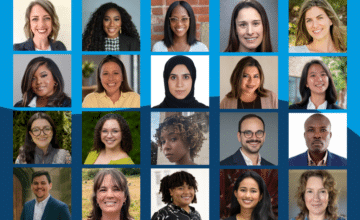
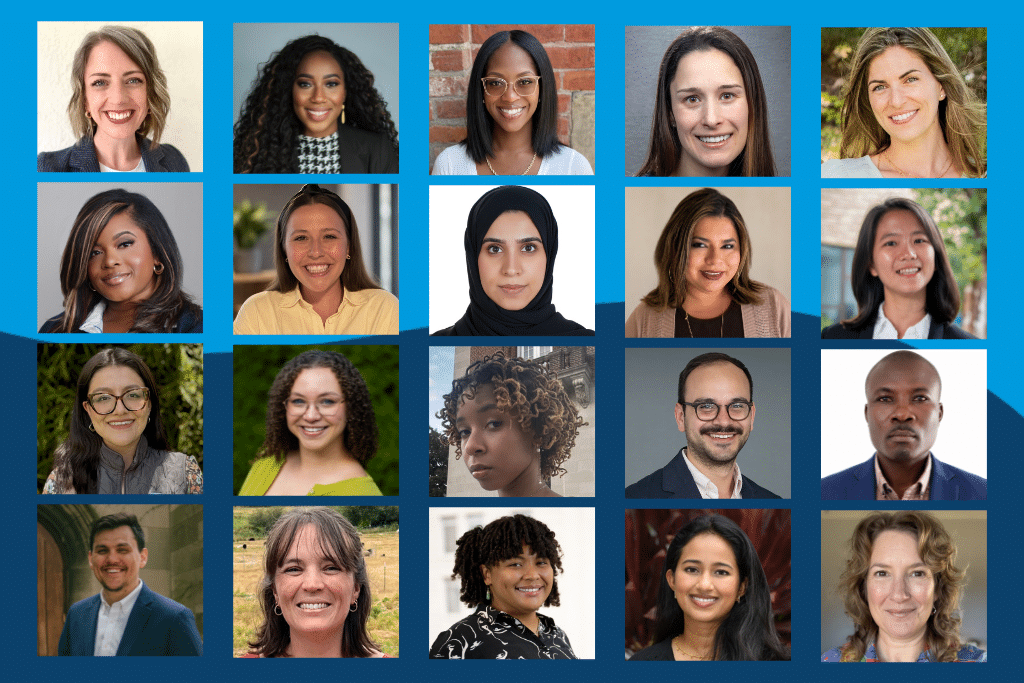
WASHINGTON, DC – ZERO TO THREE, the leading nonprofit dedicated to ensuring babies and toddlers have a strong start in life, today announced its incoming 2026-28 Fellows cohort, welcoming 20 distinguished early childhood leaders from across the U.S. and around the world to its premier leadership development initiative.
Selected from a pool of more than 300 applicants—the largest to date—these exceptional fellows represent a range of professional specialties, including infant and early childhood mental health, early childhood systems and policy, and family and community-based care. They serve in urban and rural communities across the U.S., Ecuador, Indonesia, Uganda and the United Arab Emirates.
“Transforming the future for babies and families requires leaders with bold ideas — and the support to put those ideas into action,” said Kimberly Bradley, director of ZERO TO THREE’s Leadership Development Institute. “This fellowship creates the space for early childhood leaders to learn from one another, sharpen their vision and build the relationships and skills needed to drive lasting change in their communities and across the field.”
The 18-month fellowship equips rising leaders in early childhood development with the tools to take a bold, equity-driven and collaborative approach to reshaping programs, systems and policy on behalf of babies and toddlers.
“The challenges facing babies and families are too urgent — and the opportunities too great — to rely on yesterday’s solutions,” said Matthew Melmed, executive director of ZERO TO THREE. “These fellows bring the vision, experience and courage our field needs to imagine what is possible and make it real. By investing in their leadership, we are investing in stronger communities, more responsive systems and a better future for every baby.”
At the heart of the fellowship experience is each participant’s vision for change, an aspirational idea introduced during the application process and developed throughout the program.
“Each fellow begins with a powerful vision, but meaningful change rarely happens through individual leadership alone,” Bradley said. “The fellowship helps them build the strategy, partnerships and community needed to move that vision forward — and connects them to a network of leaders who will continue learning from and supporting one another long after the program ends.”
When their fellowship concludes, this class will become the newest members of the Academy of ZERO TO THREE Fellows, an alumni network joining more than 300 leaders from prior cohorts across the country and around the world.
The 2026-28 Fellowship Class
Aika Aluc (Maryland) is a PhD candidate in population health at Lehigh University and vice chair of the Maryland Health Benefit Exchange Board of Trustees. A maternal and early childhood leader, researcher and strategist, her work spans maternal health, early childhood, policy and community engagement, with an emphasis on strengthening connections across systems so families experience more coordinated care.
Dr. Allison Smith (Arkansas) is an assistant professor in the Department of Psychiatry at the University of Arkansas for Medical Sciences and a licensed child clinical psychologist. She specializes in infant and early childhood mental health, trauma-informed care and workforce development, with clinical work centered on early childhood traumatic stress and neurodevelopmental evaluations.
Anicia Battles (Michigan) is a clinician with Infinity Consultation Group and an independent consultant supporting infant and early childhood mental health organizations across the U.S. She is a licensed clinical social worker and endorsed Infant Mental Health Specialist. Her work spans maternal mental health, infant and early childhood mental health, and workforce development, with an emphasis on perinatal mood and anxiety disorders and building coordinated, relationship-centered systems of care for Black mothers, infants and families.
Dr. Ashley Adams (Massachusetts) is an attending psychiatrist in the Early Childhood Mental Health outpatient program at Boston Children’s Hospital and co-leads the psychiatry consult-liaison team at Franciscan Children’s. Trained in pediatrics, adult psychiatry and child and adolescent psychiatry, she works with infants, young children and families to strengthen relationships that support development and mental health.
Dr. Ashley R. Watts (Texas) is a lecturer in early childhood education at the University of Houston-Downtown and leads the Belonging Leadership Team for the Center for Coaching Strategies’ Workforce Leadership and Sustainability Initiative. Her work bridges research, policy and practice in early childhood systems, including research centered on the well-being and experiences of Black family child care educators.
Dr. Clare Viglione (California) is a postdoctoral research fellow at the Herbert Wertheim School of Public Health and Human Longevity Science at UC San Diego and director of the GROW.V.BABY Practice-Based Research Network at Vital Village Networks. She uses implementation science and practice-based research to strengthen maternal, child and family health systems and developed the Circles of Resilience model to examine factors shaping early self-regulation.
Dr. Fatima Youssef (United Arab Emirates) is a consultant child and adolescent psychiatrist at Dubai Health, deputy program director of its Child and Adolescent Psychiatry Fellowship and vice president of the Emirates Mental Health Society. She has led multidisciplinary efforts to improve autism diagnostic pathways and expand timely access to assessment and early intervention for children and families.
Dr. Jayley Ann Janssen (Arizona) is director of the Institute for Child Development Research and Social Change at Indigo Cultural Center, where she leads community-based participatory research and evaluation. Her work examines how systems can better support infants, young children and families, particularly through infant and early childhood mental health consultation and efforts to strengthen workforce sustainability.
Keren Angelia Gunawan (Indonesia) is an early childhood and special education systems specialist and founder of Fonik Asyik, a national early-literacy initiative that has trained more than 100 teachers and parents and distributed educational resources to under-resourced schools across Indonesia.
Leticia Mejia (California) is a bilingual mental health clinician at Victor Community Services, where she provides trauma-informed, evidence-based services to children, adolescents and families. Her experience spans school social work, behavioral health, early childhood education and parent support, and her research examines resilience, educational equity and the experiences of historically underserved communities.
Melissa Villarreal (Ecuador) is a clinical psychologist and clinical deputy director at Neurodesarrollo Quito, where she leads diagnostic evaluation and intervention planning for children and adolescents with neurodevelopmental conditions and complex mental health needs. She has also participated in multidisciplinary outreach efforts that bring neurodevelopmental evaluations and connections to appropriate interventions to families in rural areas of Ecuador.
Miranda McNeal (Ohio) is director of Early Childhood and Prevention Services at CommQuest, where she leads the Early Childhood Mental Health and School-Based Prevention teams. Her work includes prevention services, early childhood workforce development, community partnerships and efforts to expand services for children and families..
Munirah Fulani (Virginia) is a pediatric nurse consultant with Maxim Healthcare Services whose work spans clinical practice, human-centered design and early childhood systems change. Her work has included improving NICU discharge education and pediatric home health care and developing the Building Bonds Toolkit, an attachment-based, trauma-informed resource for families navigating medical complexity.
Dr. Natan Vega Potler (New York) is an attending psychiatrist and medical director of the Child and Family Services Department of Mental Health at Woodhull Hospital, where he leads the implementation of early childhood and family-focused mental health services. A child psychiatrist-scientist, his clinical and research work includes infant and early childhood mental health, family-focused trauma interventions and immigrant child and family mental health.
Peter Barasa (Uganda) is the project director of Vumgbala Child Development Center, a compassion-assisted program that partners with families, churches and communities to improve the well-being of children and young people. He has more than a decade of experience leading initiatives in child development, education, child protection, health promotion and community capacity building.
Ricky Holder (California) is a senior program associate with Think of Us, where he works on the California Kin Accelerator Pilot Project to increase the number of children placed with kin rather than in foster care. Informed by his own experience in the foster care system, his work centers on reducing the poverty and instability that can contribute to family separation.
Ruth Esther Hernández (Maryland) is a senior program analyst at the Center for the Study of Social Policy and a community engagement and early childhood practitioner with more than eight years of experience across early childhood education, health and organizing. Their work centers on community leadership and culturally rooted approaches to addressing the social, cultural and environmental conditions that shape family well-being.
Samantha Peyton (California) is a senior policy and program officer at the Low Income Investment Fund, where she supports advocacy and policy research related to early care and education facilities. Her work includes integrating climate resilience into early childhood facilities and strengthening children’s connection to nature, informed by her earlier experience teaching in toddler and preschool classrooms.
Suma Metla (Hawaiʻi) is a pediatric physical therapist and founder of Three Little Ducks, a pediatric health and development company based in Honolulu. She has grown the organization into a multidisciplinary practice offering pediatric physical therapy, speech-language pathology, baby and toddler classes and community events and is developing an app to help families understand developmental milestones and identify delays earlier
Tiffany Salter (North Carolina) is the assistant director of Child First at Coastal Horizons Center, where she helps lead a multidisciplinary team that provides relationship-based care for infants, young children and their caregivers. A licensed clinical social worker, she centers her work on early childhood mental health, attachment and trauma-informed care.